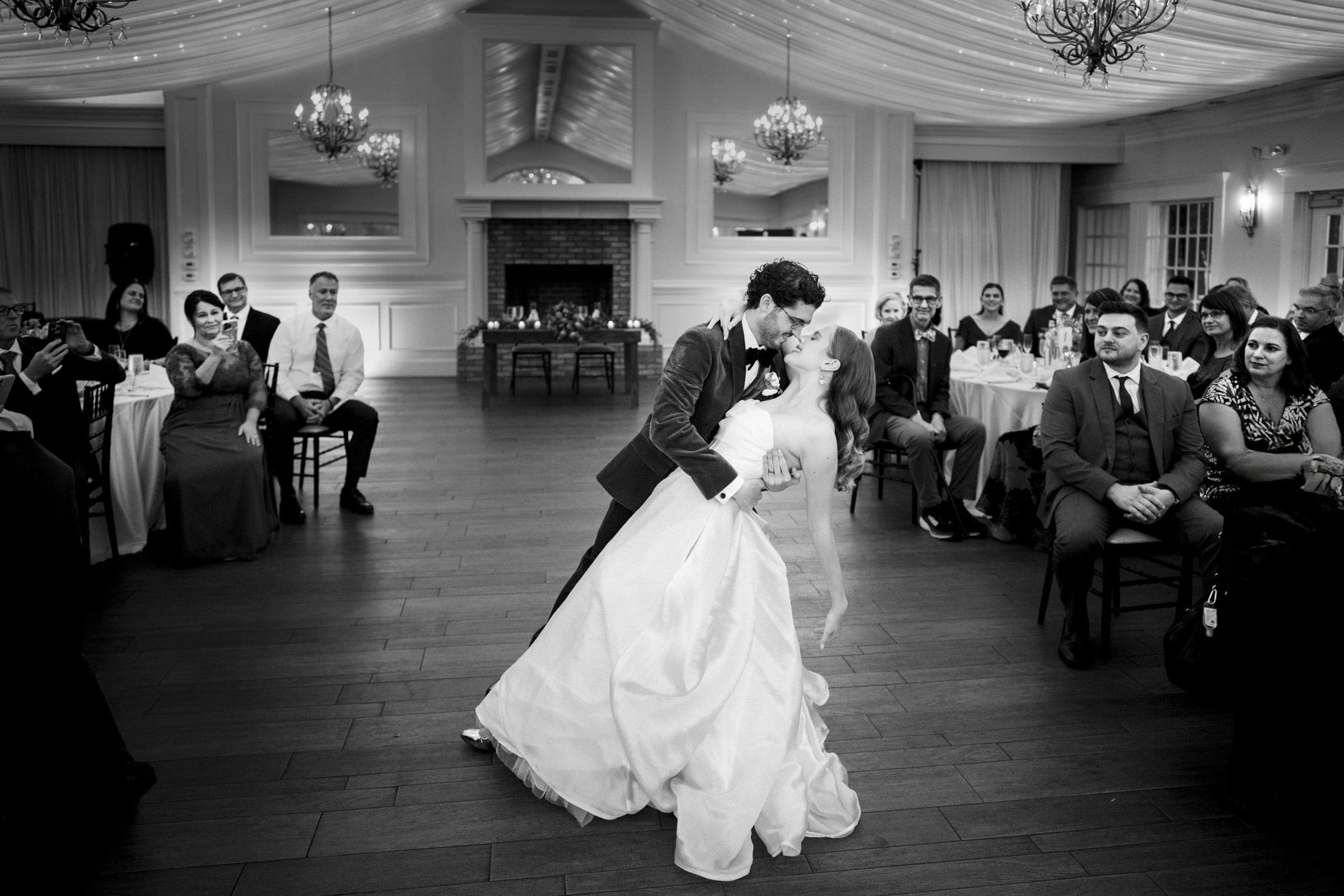
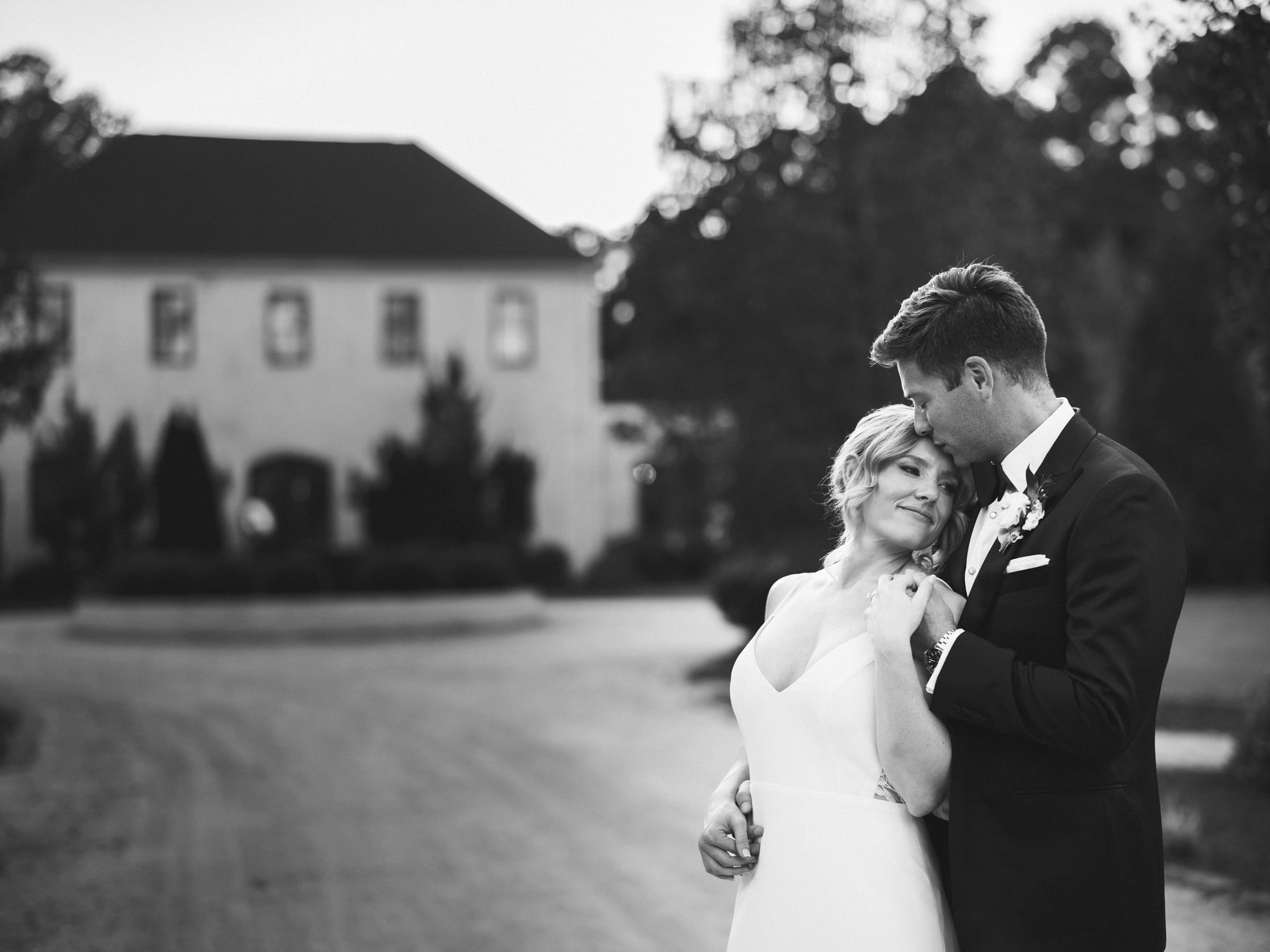
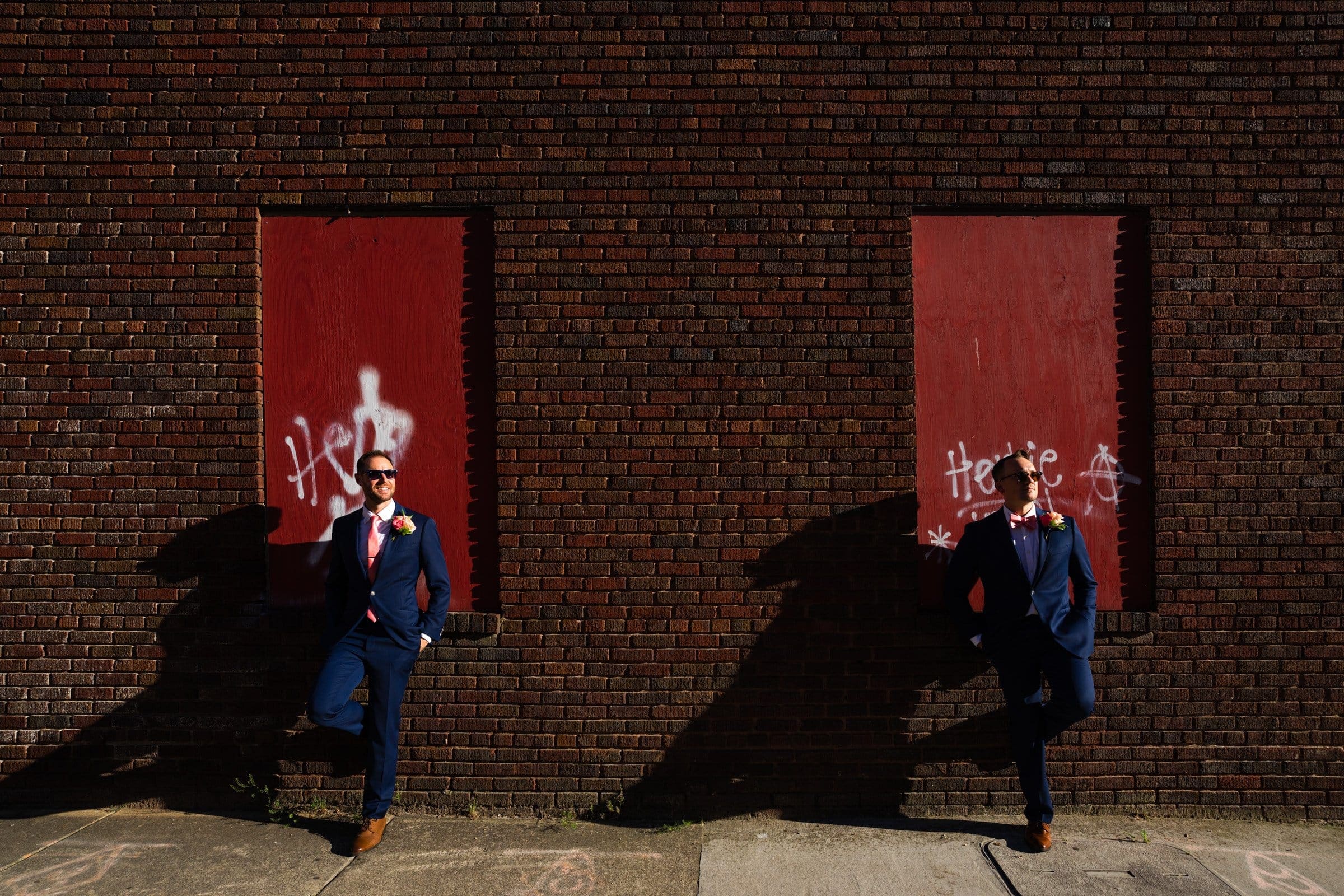
One of the most common questions couples ask when planning a wedding is why wedding photography costs what it does. It’s a fair question. In the Raleigh-Durham-Chapel Hill area, you can find wedding photographers charging anywhere from around $1,000 to well over $15,000. At first glance, that range can seem difficult to understand. After all, aren’t they all photographing the same wedding?
Not exactly. The differences usually come down to experience, preparation, consistency, artistic approach, and everything happening behind the scenes long before and long after the wedding day itself.
Having shot weddings since 2008—originally starting out by studying History of Art back in the UK and Spain before bringing my cameras and my eye over to North Carolina—I’ve learned that professional wedding photography is about far more than cameras and editing. It’s about preparation, judgement, adaptability, and understanding what truly matters when the day doesn’t unfold exactly as planned. And trust me—something almost always goes slightly off-script.
Weddings Are Wonderfully Unpredictable
No matter how carefully a wedding is planned, real life tends to have its own ideas. Hair and makeup runs late. A groomsman discovers he doesn’t actually know how to tie a bow tie. A family member disappears just before formal photographs. Rain appears despite a promising forecast. The rings are accidentally left behind.
All of those things have happened. At one wedding, I spent time talking a bride through breathing exercises moments before she walked down the aisle because nerves had understandably got the better of her. At an Indian wedding, the bride’s wedding sari and all of her clothes completely vanished in the morning right as she was about to put them on. What followed was a flurry of frantic phone calls and a lot of stressed yelling in Hindi—an absolute nightmare at the time, though we can look back and laugh at it now. It turned out the entire outfit was simply hidden in the corner of the room under a pile of other items.
In another case, the wedding rings were making their way to the ceremony in an Uber while everyone waited. I’ve shot through North Carolina thunderstorms that looked more like monsoons than wedding weather, too.
The interesting thing is that guests rarely remember these moments. The wedding still happens. The vows are exchanged. The celebration continues. Experience isn’t about preventing every problem. It’s about staying calm when they happen and making sure the memories survive regardless.
Experience Shows Up When Things Don’t Go to Plan
One of the biggest misconceptions about wedding photography is that couples are paying strictly for the hours spent at the wedding. In reality, they’re paying for the ability to adapt when things don’t go according to plan. A photographer isn’t being paid because a wedding was easy. They’re being paid because they know what to do when:
- The timeline slips
- The weather changes
- The ceremony starts early
- Family dynamics become complicated
- Portrait plans suddenly need to change
After more than 18 years and 300 weddings as a Raleigh wedding photographer, many of those decisions happen instinctively. They don’t feel dramatic in the moment because experience makes them look routine. That peace of mind is often what you’re really paying for.
The Reality of “All-Day” Coverage vs. Hourly Rates
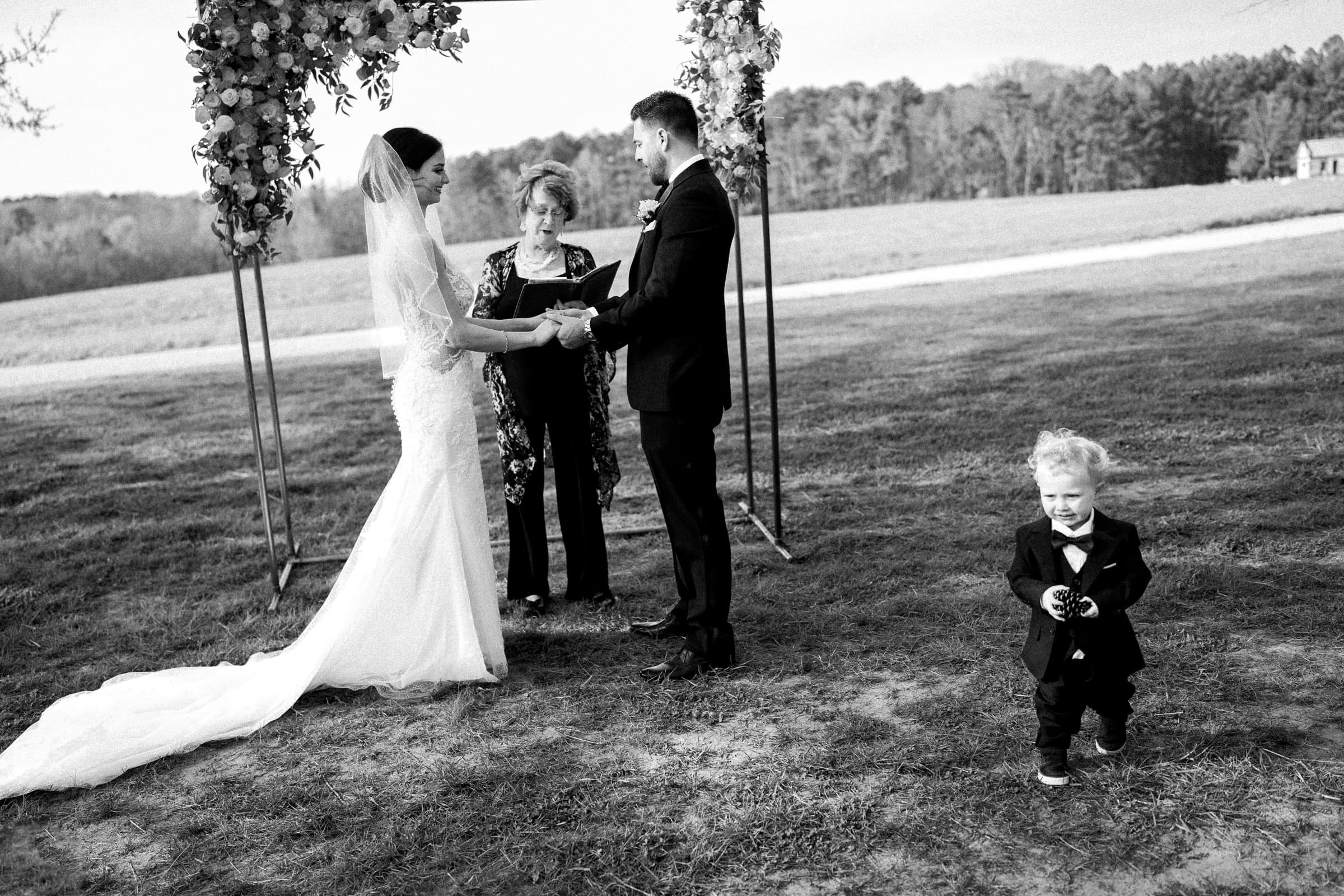
When I first started out, I used to offer “all-day coverage” with absolutely no time limits. It sounded romantic on paper. In reality? People occasionally took the absolute piss. I found myself working from 6:00 AM until midnight, arriving at hotel rooms where the wedding party was still asleep and hungover from the rehearsal dinner, waiting hours for the first meaningful moment to happen.
That’s why experienced professionals build their packages around dedicated hourly blocks. It forces an intentional schedule, protects the focus of your photographer, and ensures you aren’t paying for dead air. When budgeting, look for someone who helps you realistically map out your day. For a clearer idea of how this structure works locally, you can get in touch to look over my guide to Raleigh-Durham-Chapel Hill wedding photographer prices.
High-End Gear, Business Infrastructure, and Masterclass Education
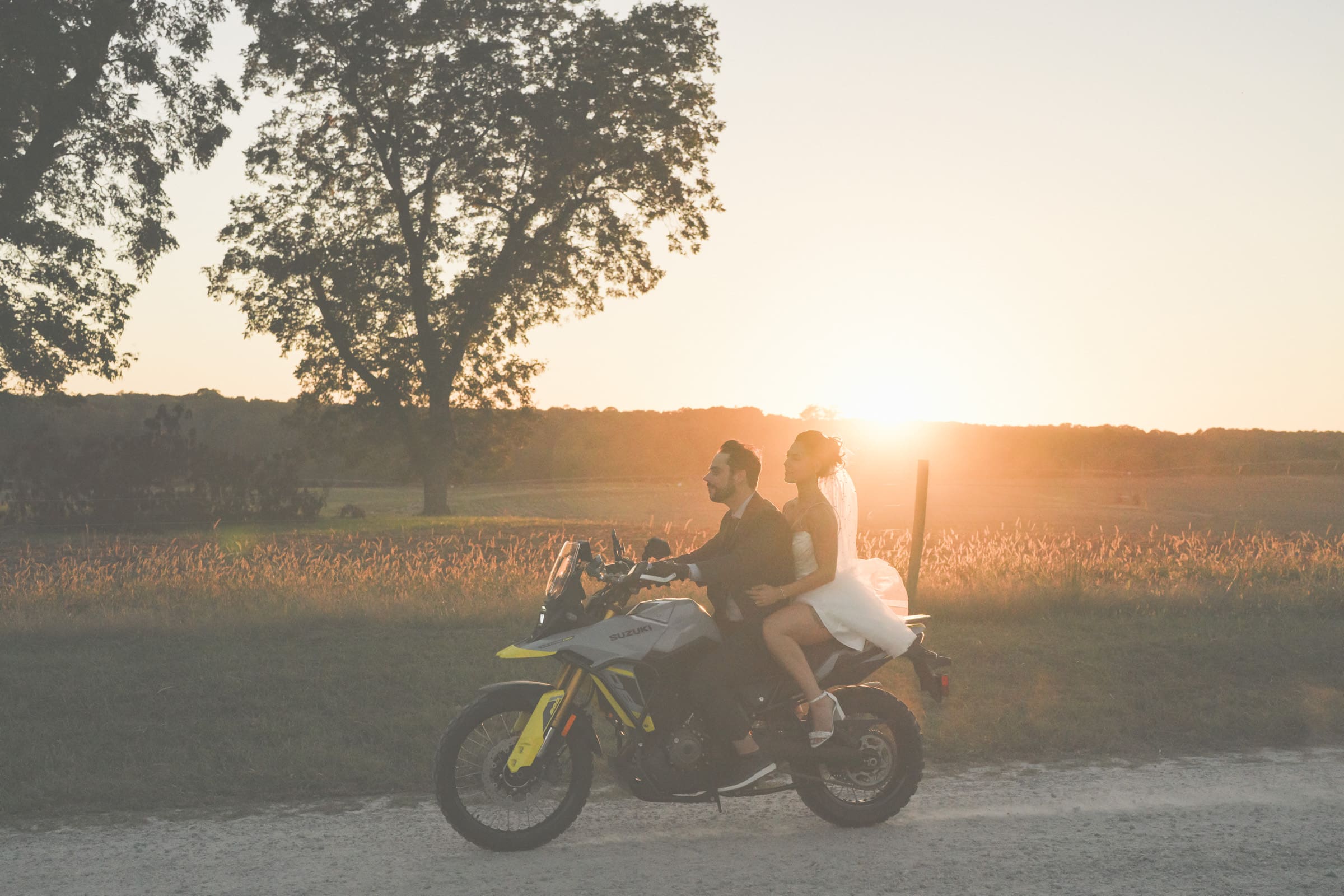
There is a technical and operational reality to premium wedding pricing that often gets overlooked. A higher price point doesn’t simply buy a photographer’s time on a Saturday; it funds a high-end ecosystem explicitly built to protect your investment and elevate your final images.
Top-of-the-range camera bodies, elite lenses, and advanced lighting gear are not cheap luxuries—they are absolute necessities for consistent results. High-end kit matters immensely when handling a fast-moving reception or a dimly lit venue. An experienced professional invests heavily in primary and duplicate backup systems so that equipment failure is never a threat to your day.
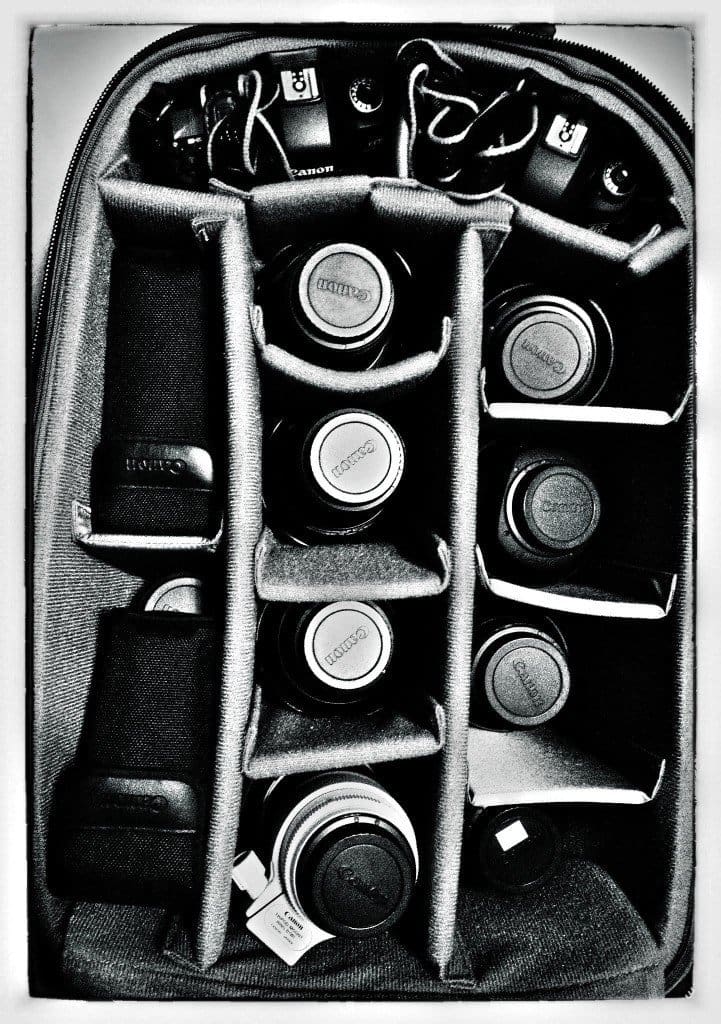
Furthermore, sustainable pricing accounts for professional liability insurance, equipment insurance, secure multi-location cloud data backups, and state and federal taxes.
But physical gear is only as good as the mind behind it. True expertise requires continuous refinement, which is why I actively invest in immersive masterclasses led by world-class industry icons.
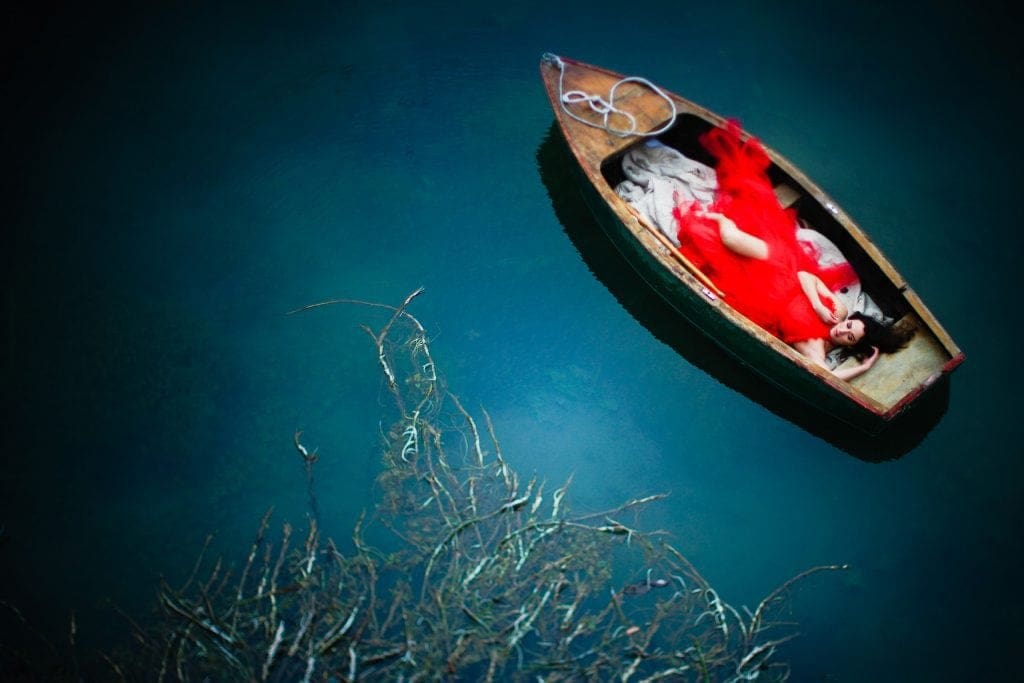
I don’t just study wedding photography; I look at the broader world of art and narrative. To push my boundaries, I’ve traveled to Bath, England, to study the fast-paced instincts of street photography, and spent time at a moated French chateau mastering the subtleties of fine-art portraiture. I even pushed myself through the mentally and physically grueling Foundation Workshop in Kansas City—widely considered the gold standard for honing raw, documentary storytelling skills.
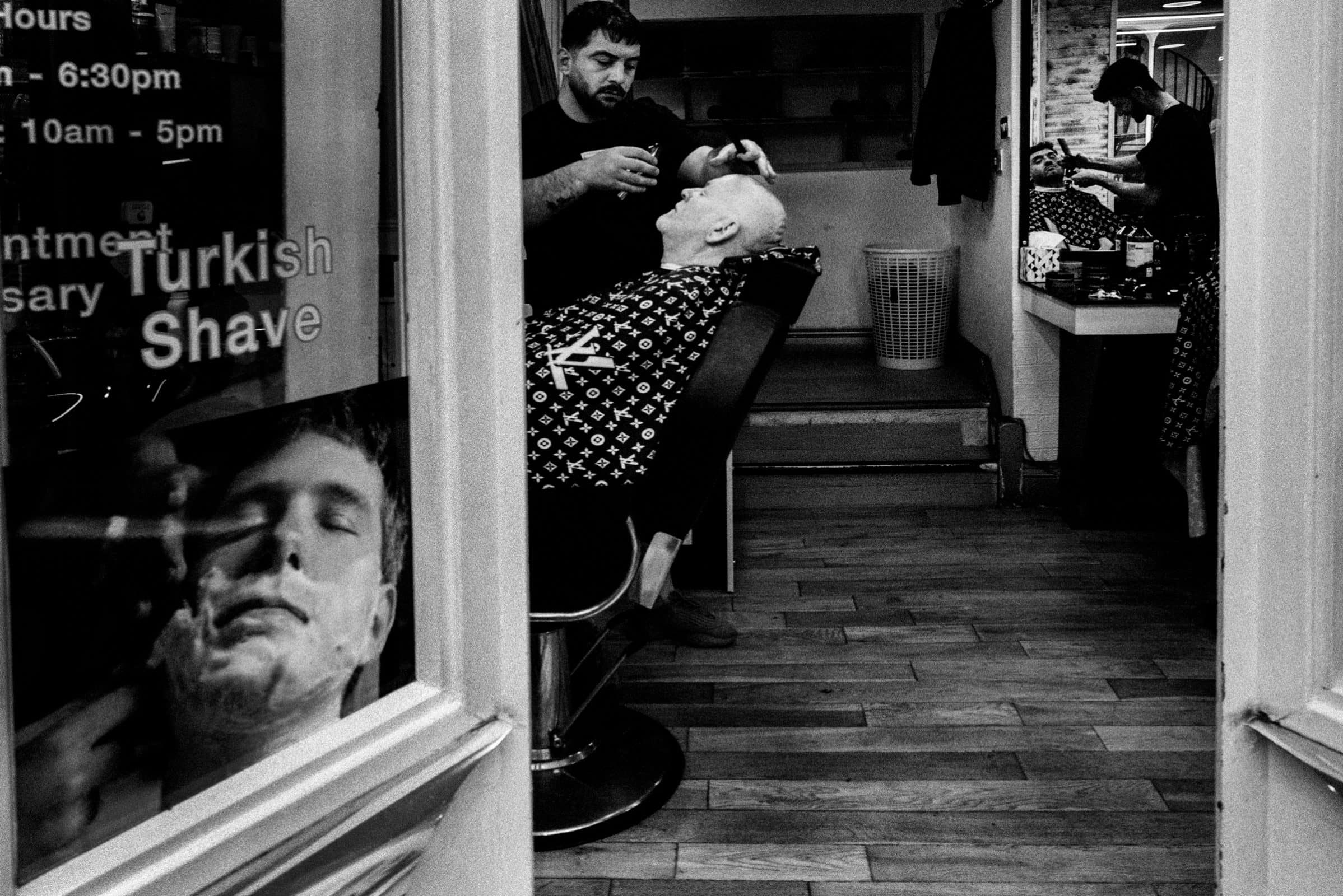
This deliberate focus on refining both artistic portraiture and candid storytelling means you aren’t just hiring someone to operate top-tier equipment. You are getting a highly polished, continually evolving artist who deeply understands light, composition, and the human psychology that makes a moment unforgettable.
The Strategic Role of a Second Photographer
A common question when planning a wedding is whether you actually need a second photographer. There is a widespread belief that a second shooter is always a mandatory requirement, but that isn’t necessarily true.
An experienced, documentary-style photographer is entirely capable of capturing a wedding beautifully on their own. In fact, for intimate or medium-sized celebrations, shooting solo is often preferred because it keeps the physical footprint small, quiet, and completely unobtrusive.
However, second shooters become highly valuable when a wedding involves complex logistics—such as when the two of you are getting ready in entirely separate locations simultaneously, or if you have a massive guest list with tight timelines.
When a second photographer is genuinely needed for your day, my approach is built entirely on transparency and quality:
- No Cost Markups: I don’t treat second shooters as a profit center. I simply pass the direct, raw cost of the second photographer through to you.
- Pro-Level Talent Only: I never hire inexperienced students or assistants to cut corners. Anyone who shoots alongside me is a trusted, highly skilled local professional who runs their own successful photography business and is in high demand themselves.
This ensures that if your day requires two perspectives, you are getting two top-tier professionals working in perfect sync, with absolute transparency on where your investment is going.
Mastering Tricky Local Light: The Venue Factor
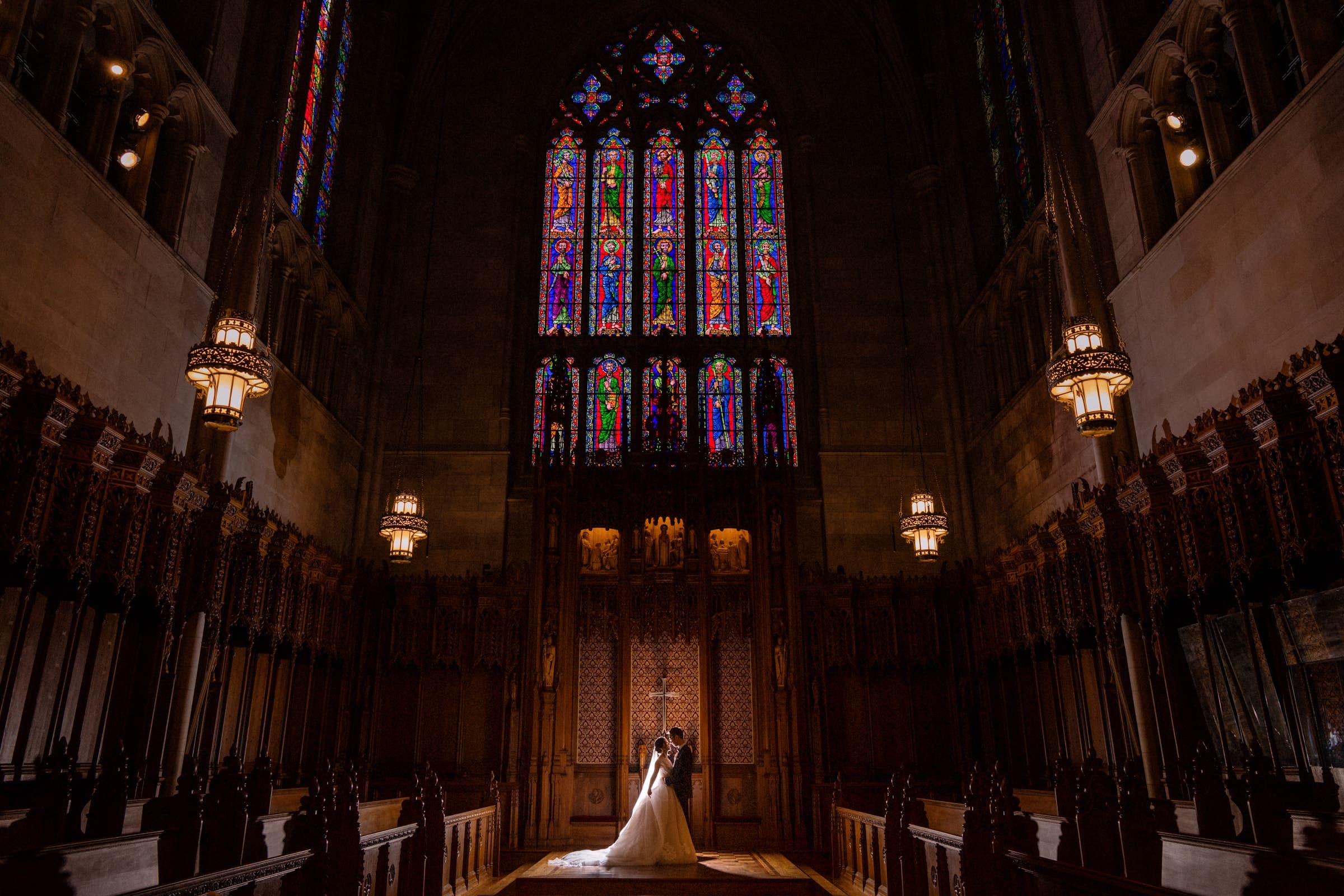
When you pay a premium for a seasoned photographer, you are paying for someone who isn’t intimidated by architectural or atmospheric lighting challenges. Anyone can take a decent photo outside in an open field at sunset. True expertise is tested when the sun goes down or when you are inside a historic building – or even an uber- modern one like The Umstead Hotel.

Over the years, I’ve spent countless hours scouting regional properties—from modern spaces to historic Durham wedding venues—simply to understand how ambient light behaves throughout the year.
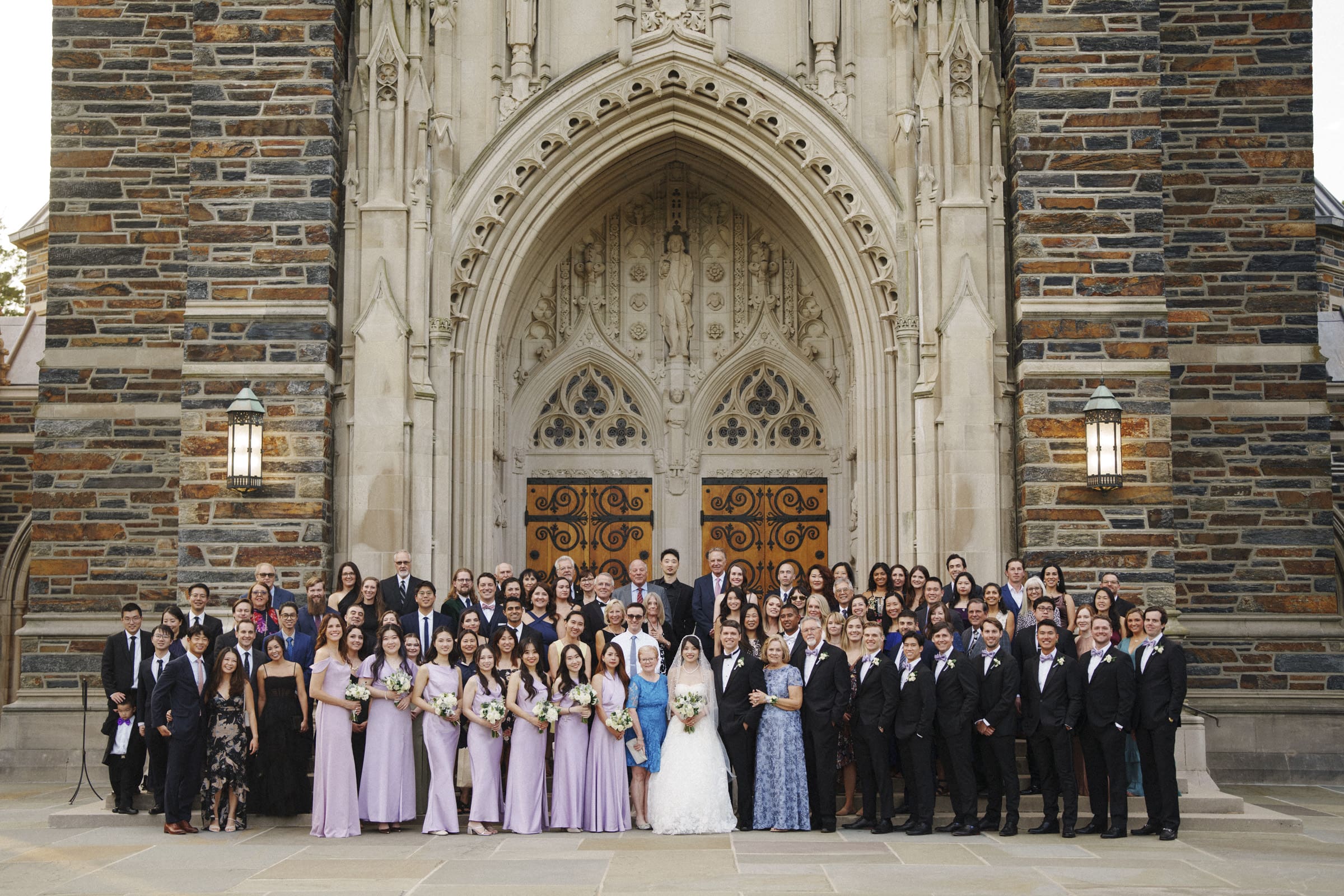
I know exactly how to leverage a venue’s architecture to create something timeless. At Duke Chapel, that means understanding how to scale the imagery to match the grandeur of the space, stepping back to frame a couple against the towering silhouette of the historic stone structure under a dramatic sky.

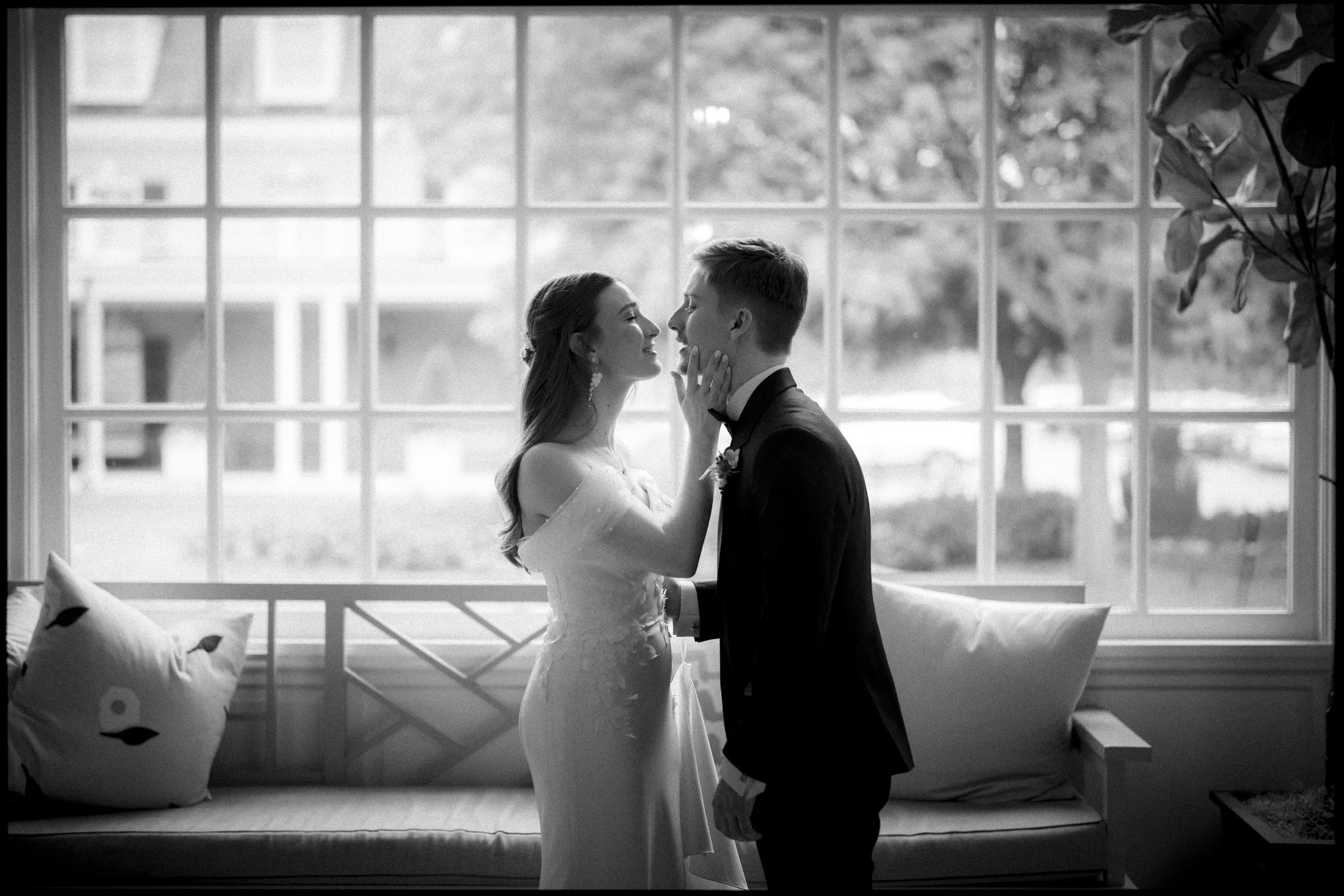
Equally, I know how the elegant, historic architecture of the Carolina Inn handles natural light during a intimate first look on a cloudy day, utilizing the large, classic windows to diffuse the soft light perfectly and capture the quiet, raw emotion of the moment without needing to force an artificial setup..
…and I know how to navigate the rich, moody character and deep shadows of spaces like Rose Hill Estate for timeless portraits.
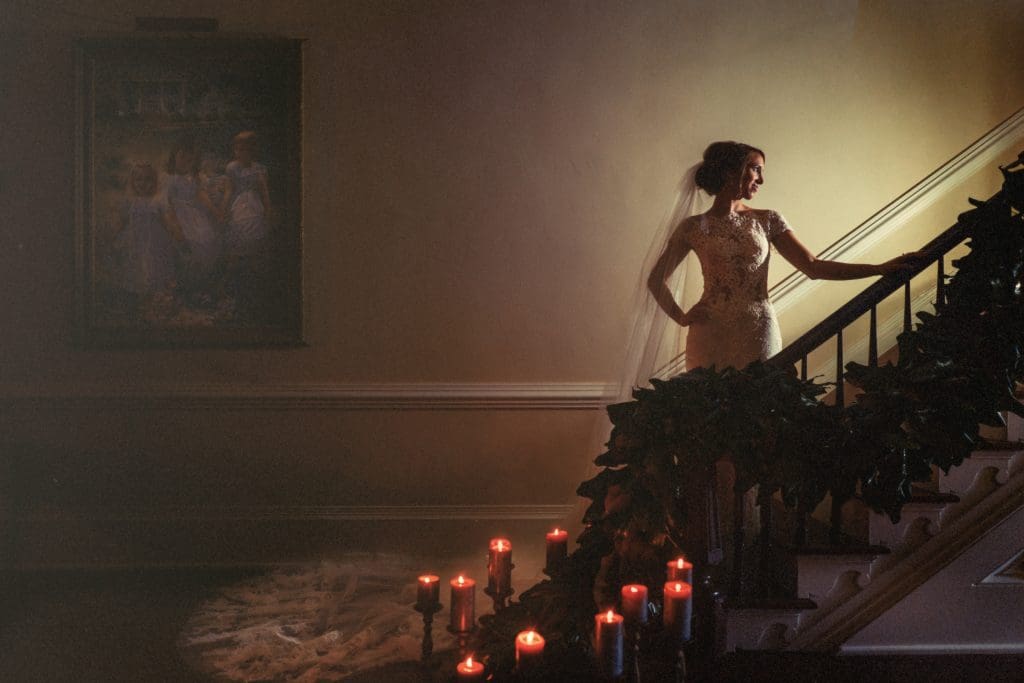
Knowing where the sun will be at five o’clock in October, or how to seamlessly use flash (or choose not to!) in a 100-year-old venue to create mood and atmosphere, is far more valuable than whether you shoot film or digital. True expertise isn’t about the medium or the gear; it’s about having the vision and deep local experience to know exactly how to tell a story.

Family Photographs Are About Planning, Not Luck
One of the biggest challenges at many weddings isn’t photography. It’s logistics. Family dynamics are wonderfully unique. Divorces. Remarriages. Estranged relatives. Siblings bringing unexpected plus-ones. Over-zealous mums. Last-minute requests.
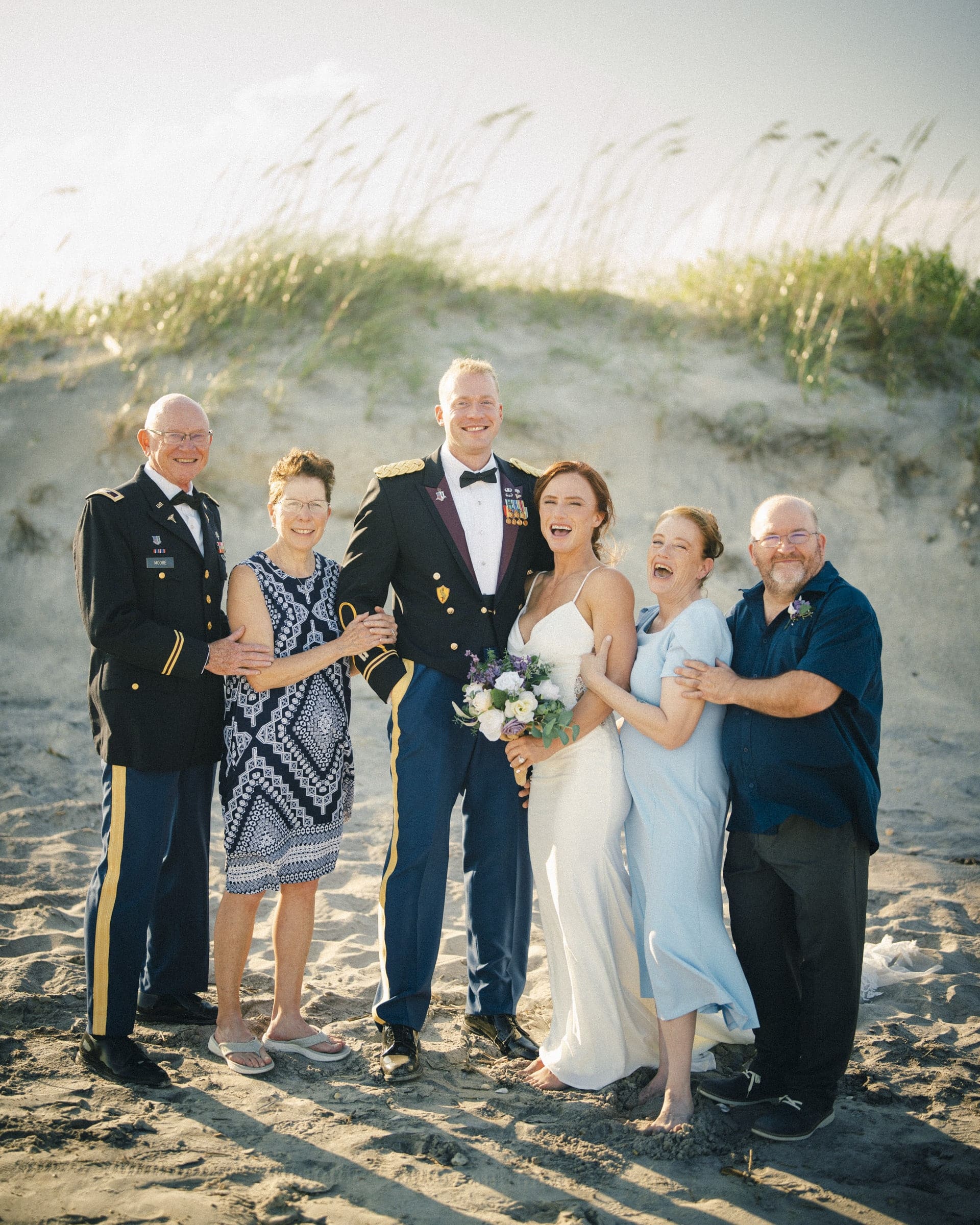
That’s why I spend time discussing family photographs before the wedding rather than trying to solve those puzzles on the day itself. Preparation turns what could be twenty minutes of confusion into ten minutes of organised efficiency.
I actually enjoy family photographs. Most people don’t want to spend cocktail hour standing around waiting for their turn. The goal is to keep things moving, keep things relaxed, and occasionally channel just enough of my inner English headmaster to gather everybody in the right place at the right time. Always with good intentions, of course.
Documentary First, Details Included
I absolutely photograph the dress, the flowers, the stationery, and the room before guests arrive. Those things matter and help tell the story. But they aren’t usually what becomes most important with time.
What matters are the people. The parent wiping away a tear. The grandparent watching quietly from the back row. The hug between old friends. The look exchanged during the vows. The laughter nobody expected.

Those moments happen once. That’s where my attention stays. After enough weddings, you start to recognise patterns. You notice when a parent is becoming emotional. You sense when laughter is building. You learn to anticipate moments rather than react to them. Some of the most meaningful photographs happen because the camera was ready before the moment arrived.
Wedding Photography Pricing Tiers in Raleigh-Durham
To give you an idea of the local landscape, here is how wedding photography pricing generally breaks down in the Triangle area:
| Pricing Tier | Average Investment | What You Are Buying |
| Entry-Level | $1,000 – $2,500 | Newer photographers who may be highly talented but lack the portfolio, backup gear, or deep experience to handle high-stress, unpredictable wedding days. |
| Mid-Tier | $2,500 – $6,000 | Established pros with reliable gear, backups, insurance, and a consistent editing style. They handle standard wedding timelines with confidence. |
| Experienced & Specialized | $6,000 – $10,000+ | Master storytellers, often specialising in candid, documentary wedding photography. They excel at low-light capturing, elite storytelling, and extensive post-production. |
The work doesn’t end when the wedding day does. A typical wedding involves reviewing thousands of photographs, carefully selecting the strongest moments, and spending several days hand-refining and editing the final collection to perfection.
The Element Couples Worry About Most: The Weather
If there’s one thing I’ve learned after photographing weddings for nearly two decades, it’s that weather forecasts cause far more stress than the actual weather itself. Couples often spend the entire week before their wedding obsessively refreshing apps and imagining worst-case scenarios, assuming rain will single-handedly ruin their day.
The reality, however, is far more rewarding. One of the greatest secrets of wedding photography is that ‘bad’ weather is often an incredible artistic opportunity. Storms and heavy rain frequently clear to leave behind the most breathtaking, dramatic light that standard, clear sunshine can never replicate.
This is where dedicated pre-scouting really pays off. Truly understanding a venue means knowing the surrounding landscape under all kinds of atmospheric conditions. Take this golden hour portrait, for example:
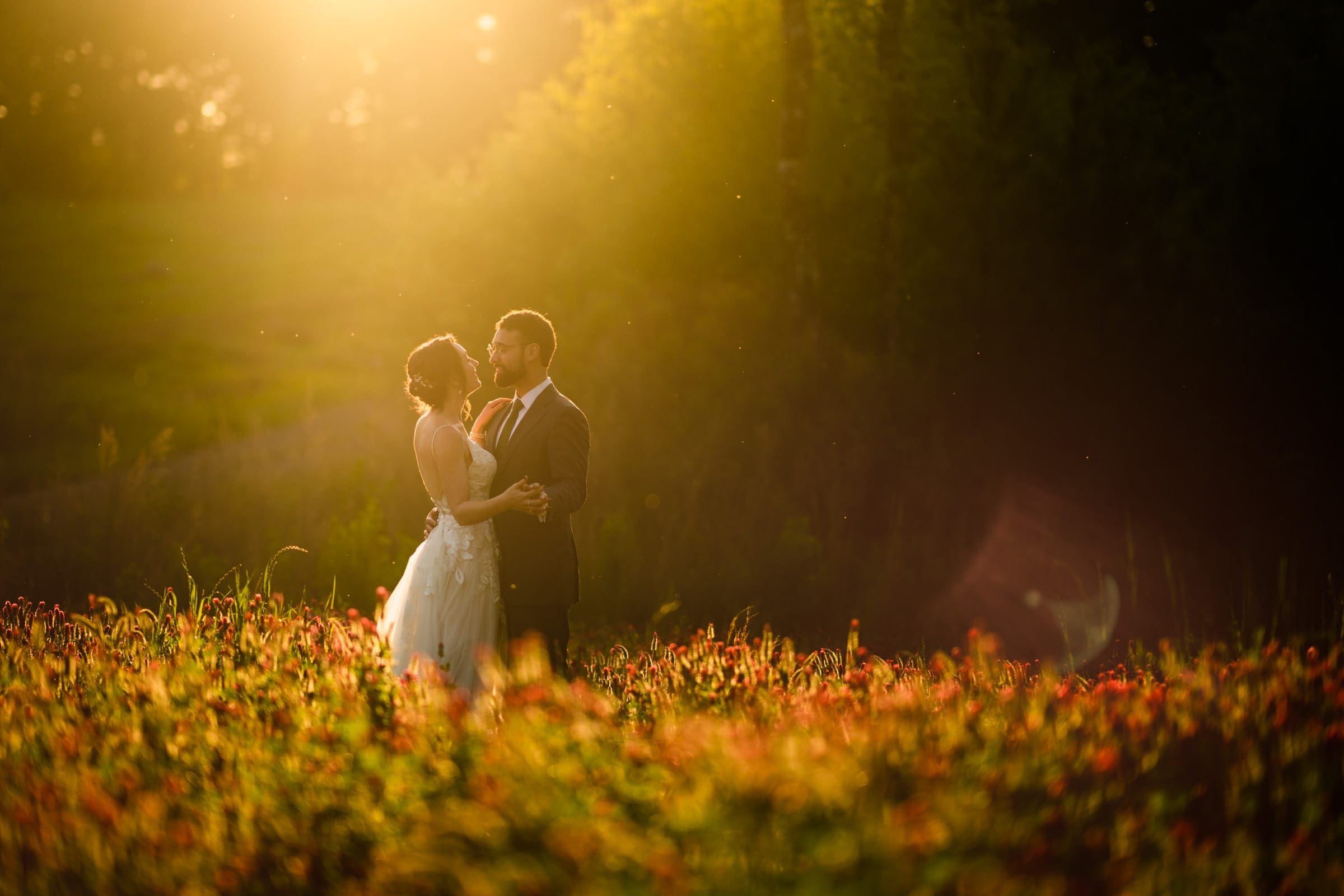
That shot was the direct result of careful preparation. We had just endured a massive North Carolina storm. Because I had spent the days leading up to the wedding scouting the surrounding area, I knew of a hidden field nearby that would catch the exact angle of the sun the second the clouds broke. By keeping our options open and having that plan ready, we were able to completely capitalize on a spectacular backdrop.
The same approach applies when darkness falls. This dramatic Pinehurst photo was also taken right as a significant storm passed. Instead of calling it a day when the storm rolled through, we watched the sky, waited for the weather to break, and utilized the clearing, moody clouds to create a powerful, singular silhouette.
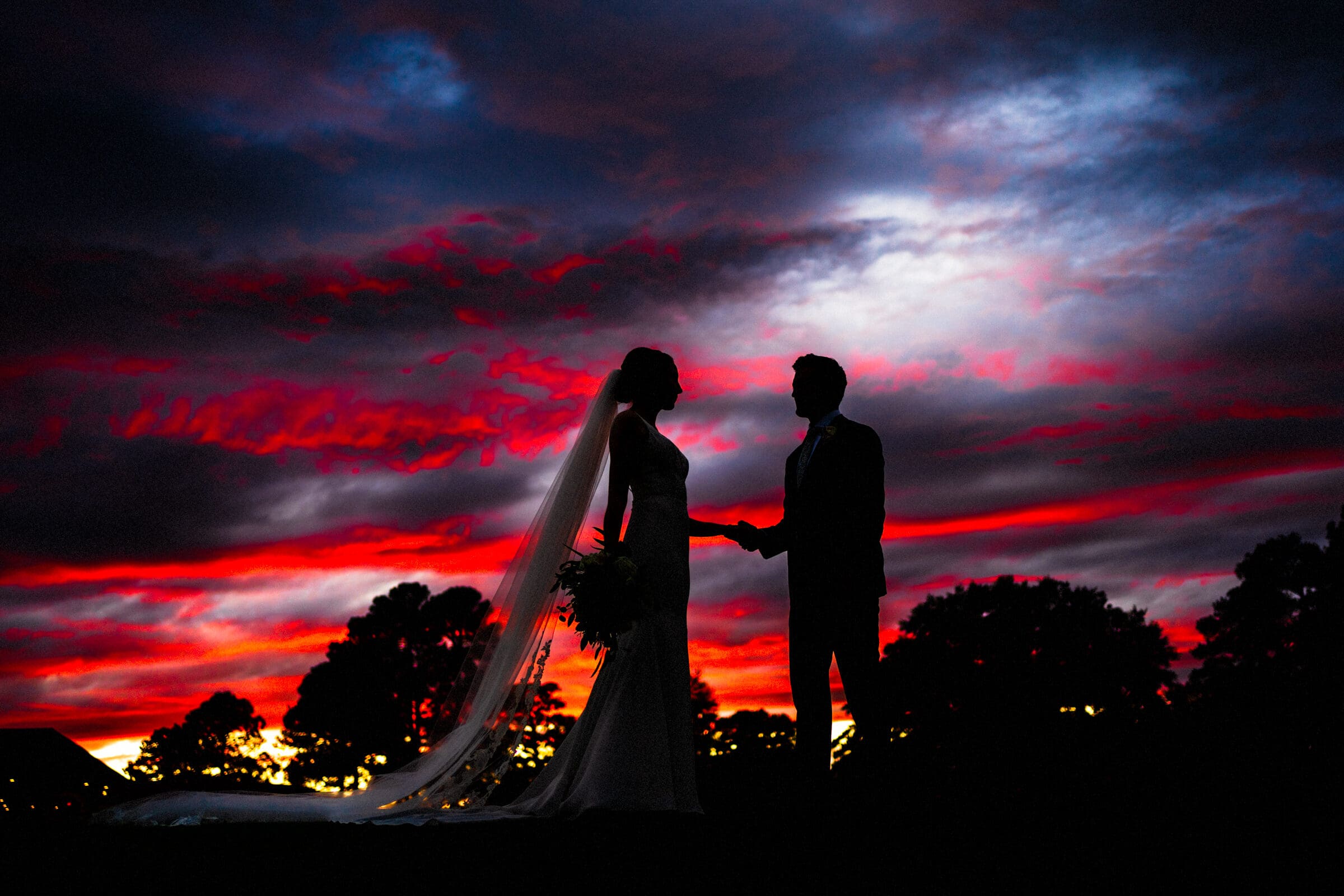
The experience of hundreds of weddings allows me to remain completely calm, anticipating these rare moments of spectacular post-storm light and managing the logistics smoothly so you can just relax and enjoy the moment.
In nearly twenty years, I’ve photographed outdoor weddings under brilliant sunshine on days with monsoon forecasts (including one immediately after Hurricane Helene), and I’ve watched perfect forecasts suddenly turn chaotic. Weather is predictable only in its unpredictability. Preparation, geographic flexibility, and a willingness to seize the unique light that difficult weather presents matter far more than a perfect forecast.
What Matters Most
After photographing weddings since 2008, I’ve noticed that while couples spend months meticulously planning the decorations, seating charts, menus, and countless other logistics, those details eventually fade into the background. They matter on the day, of course, but over time, they are rarely what fills the conversation.
Ultimately, it’s always about the people. It’s about the grandparents, parents, siblings, and friends who traveled across the country to be there. Long after the reception ends, you will look back and remember the people who laughed, cried, danced, hugged, and celebrated right alongside you.

I’ve had many former couples reach out over the years to tell me that someone in their wedding photographs is no longer with them. In those moments, the photographs often take on an entirely different significance. Most of the details have faded into memory, but the images remain.
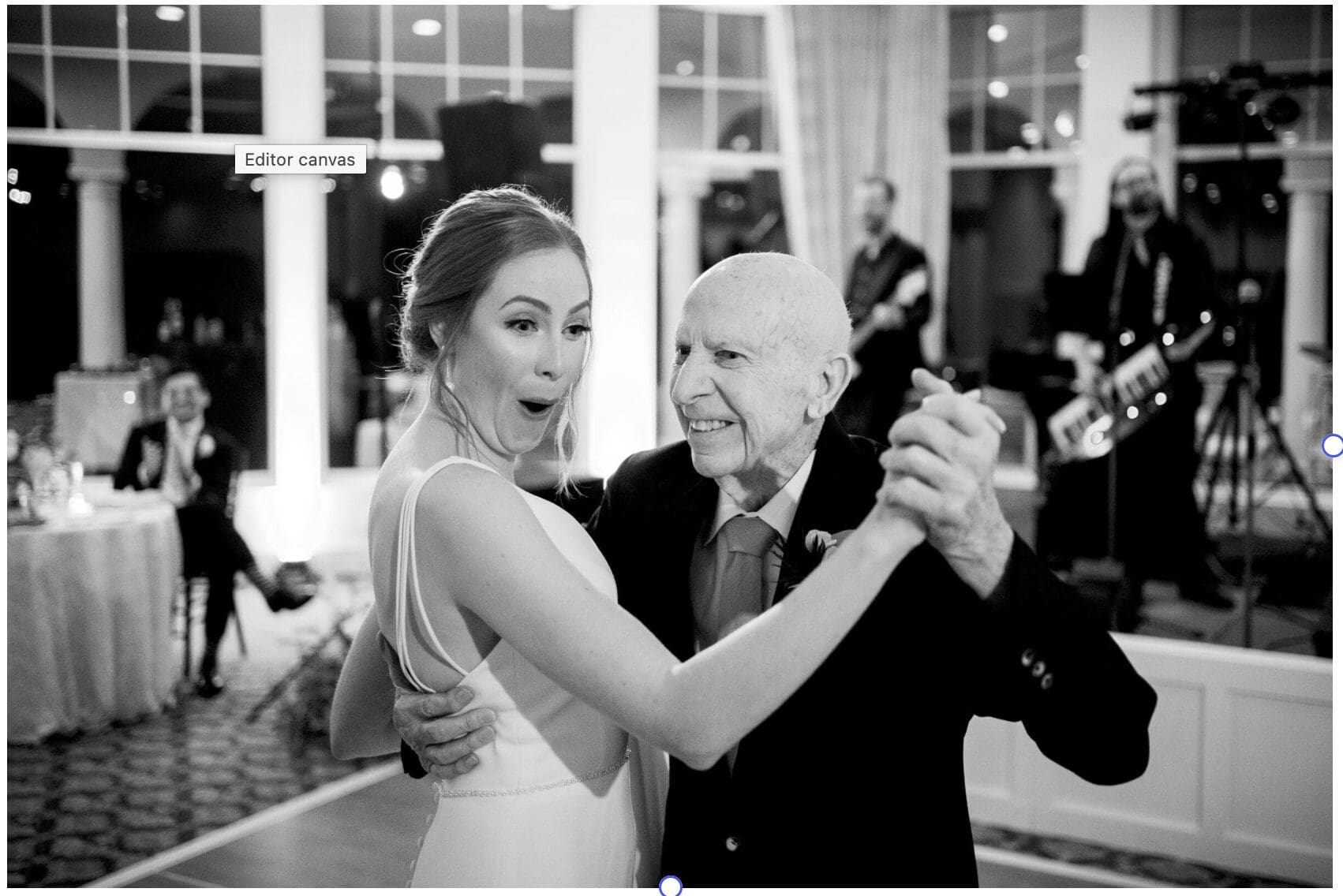
That’s why I believe wedding photography is ultimately about people, not perfection. Not flawless timelines. Not perfect weather. Not creating a version of the day that never existed. It’s about preserving relationships, emotions, and moments of connection.
Perfect weddings don’t exist. Meaningful weddings do. Because after more than 18 years and 300 weddings, I’ve never photographed a perfect wedding. But I’ve photographed hundreds of joyful ones.
And years later, that’s what people remember.
If you are looking for an experienced, calm presence to document the real, unscripted moments of your wedding day without the awkward, forced posing, I would love to chat. You can view full package details and transparency over on my wedding photography pricing page, or reach out directly to check availability for your date.