

Your wedding shouldn’t feel like a photoshoot. Good wedding photography planning is simply about making a few thoughtful decisions beforehand so there is enough time, good light, and room for you to enjoy the day without constantly watching the clock.
After photographing more than 300 weddings across Raleigh, Durham, Chapel Hill, and the wider North Carolina region, I’ve seen how small choices early in the planning process can make the whole day feel easier. I take ownership of the photography timeline and logistics for my couples, but it helps to understand what we are planning around and why.
Use this guide from beginning to end, or jump to the part of the day you’re currently working on. The aim isn’t to manufacture a perfect wedding. It is to protect the time and space needed for real moments to happen—and to photograph them well.
In This Wedding Photography Planning Guide
- Before the wedding
- Shape the wedding around what matters
- A suggested photography timeline
- Getting ready, light, and details
- Deciding whether to have a first look
- Family and group photographs
- Wedding portraits and golden hour
- The ceremony and reception
- More planning resources
Before the Wedding
Photography planning begins well before the wedding morning. Your engagement session is a useful chance to become comfortable in front of the camera and see how I give direction. If you’re planning bridal portraits, that session also lets you see your full look come together without the time pressure of the wedding day.
- 10 Ways to Prepare for Your Engagement Session—and Actually Enjoy It
- 10 Ways to Prepare for Your Bridal Session—and Actually Enjoy It
- How Much Does Wedding Photography Cost in Raleigh, Durham & Chapel Hill?
Once your venue and key vendors are booked, share the developing schedule with your photographer and planner. It is much easier to solve a timing or lighting problem while the day is still taking shape than during the wedding itself.
Shape the Wedding Around What Matters
Before refining the photography schedule, decide what kind of wedding you actually want to experience. Traditions can be meaningful, but none of them need to appear on the timeline simply because they appeared at somebody else’s wedding.
A smaller celebration may give you more time with every guest, more freedom over the location, or the chance to make portraits somewhere that would be impractical with a large wedding party. A larger wedding may call for more deliberate movement between locations, additional family coordination, and a longer reception. Neither is inherently better; the photography should be built around the celebration you choose.
- Small Weddings, Big Meaning: An Intimate Wedding Photography Guide
- Beyond the Timeline: Three Ways to Create a More Relaxed Wedding Day
Once the priorities are clear, the timeline becomes much easier to build. It stops being a list of traditions to complete and becomes a framework that protects the people, moments, and experiences you care about most.
Suggested Photography Timeline
Every wedding is different, but these ranges are a useful starting point. Travel between locations, the size of your families and wedding party, available light, cultural traditions, and how much portrait time you actually want will all affect the final plan.
- Details and getting ready: 60–120 minutes
- First look and couple portraits: 30–60 minutes
- Wedding party: 20–30 minutes
- Family formals: 20–30 minutes, allowing roughly three minutes per group
- Just-married portraits: 15–30 minutes
- Golden-hour portraits: 10–15 minutes around sunset
- Reception: enough coverage for the events and atmosphere that matter to you
The most important ingredient is breathing room. Hair and makeup runs late. A button goes missing. Someone needs help with a tie. Building a little margin into the morning prevents one small delay from consuming every portrait opportunity later.
Getting Ready
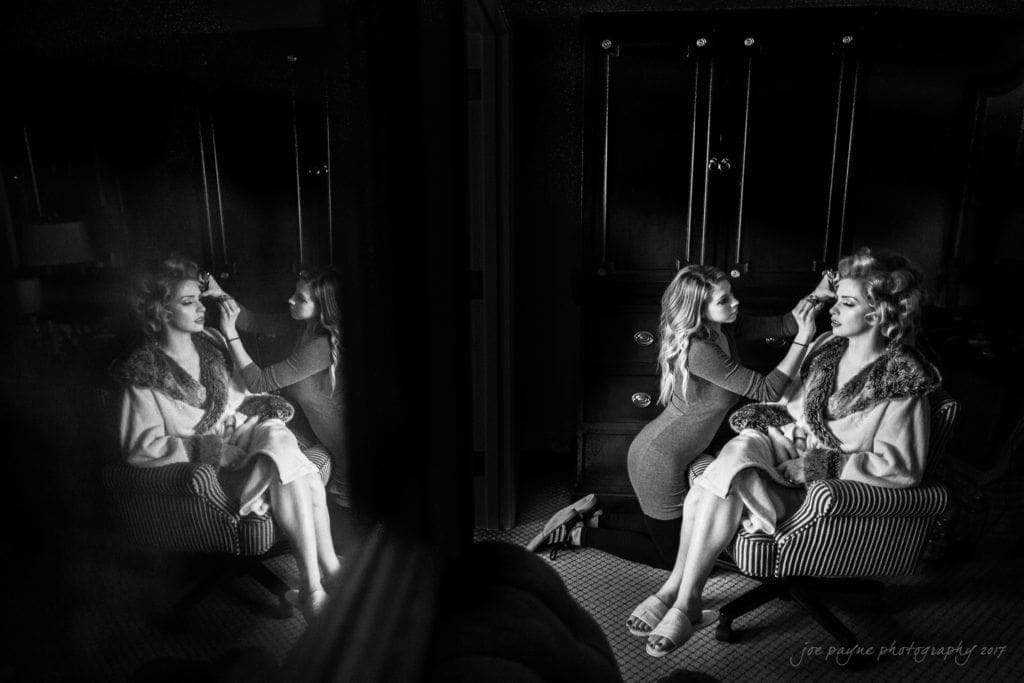
The morning is often one of the most enjoyable parts of the day to photograph. Months of planning are finally becoming real, nerves and excitement are mingling, and the people closest to you are all in one place.
Keep the Room Calm, Not Perfect
I photograph the morning as it really unfolds, and the room is part of that story. It doesn’t need to look staged or untouched, but piles of bags, plastic packaging, and half-finished drinks can become distracting backgrounds. A quick tidy gives the people and moments a little more room to breathe.
- Nominate a clutter buster: About 20 minutes before I arrive, ask someone to put loose rubbish, plastic bags, luggage, and unused clothing into a wardrobe or adjoining room.
- Look at the room beforehand: A large, calm space with useful window light will generally work better than a cramped conference room. If you’re dressing at a church or venue, ask to see the actual room rather than relying on the phrase “bridal suite.”
- Keep the important people nearby: If a parent, sibling, or close friend is helping you dress, make sure they are ready before you are.
Chasing the Light
Light matters more than décor. I prefer available light when it suits the scene because it lets the morning retain its natural atmosphere and helps people forget about the camera.
- Choose a room with good windows: Curtains or blinds are especially useful because they allow me to shape the light.
- Give hair and makeup room to work: Their lighting and setup matter too. I will work around them and may suggest moving closer to a window for a few photographs when it helps.
- Trust the process: I may close curtains, switch off a lamp, or move something out of the way to improve the light and background. There is method in the apparent madness.
Hair and Makeup That Still Feels Like You
Your trial is the time to experiment. An updo can be elegant and practical, but don’t choose one simply because it seems more “bridal.” Wear your hair in the way that makes you feel most confident. If you prefer loose pieces around your face, make sure they don’t completely hide your profile while you are facing your partner at the altar.
A very glossy foundation can appear overly shiny under direct sunlight or flash, so ask your makeup artist about a finish that retains natural radiance while photographing well. The goal is not to look like somebody else. It is to look like yourself on a particularly good day.

Details
I photograph the dress, rings, flowers, stationery, and the other details that help tell the story. My approach is creative and organic rather than spending a large part of the morning constructing elaborate flat lays while real moments are happening elsewhere.
The detail-box trick: Before the wedding morning, place anything you definitely want photographed—rings, shoes, invitation suite, jewellery, perfume, heirlooms, and other small pieces—into one box or bag. I can begin without interrupting hair and makeup to ask where everything is.
If styled flat lays are especially important to you, let me know beforehand. Your planner or stylist can arrange the pieces in advance so I can photograph them efficiently and return to documenting the people.
The Other Getting-Ready Room
The guys often want very little interaction with the photographer, but there is usually excellent documentary potential as they spend time together and get ready. Even 15 to 20 minutes once everyone is dressed can add an important part of the story to the final gallery.
Check the fit: Suits, shirts, and trousers should be tried on properly before the wedding. A small tailoring adjustment makes an enormous difference and ensures everyone can move comfortably.
Learn the tie before the wedding: Bow ties are notoriously fiddly. Practise during the week rather than relying on one person and a frantic YouTube tutorial ten minutes before the ceremony.
Should You Have a First Look?
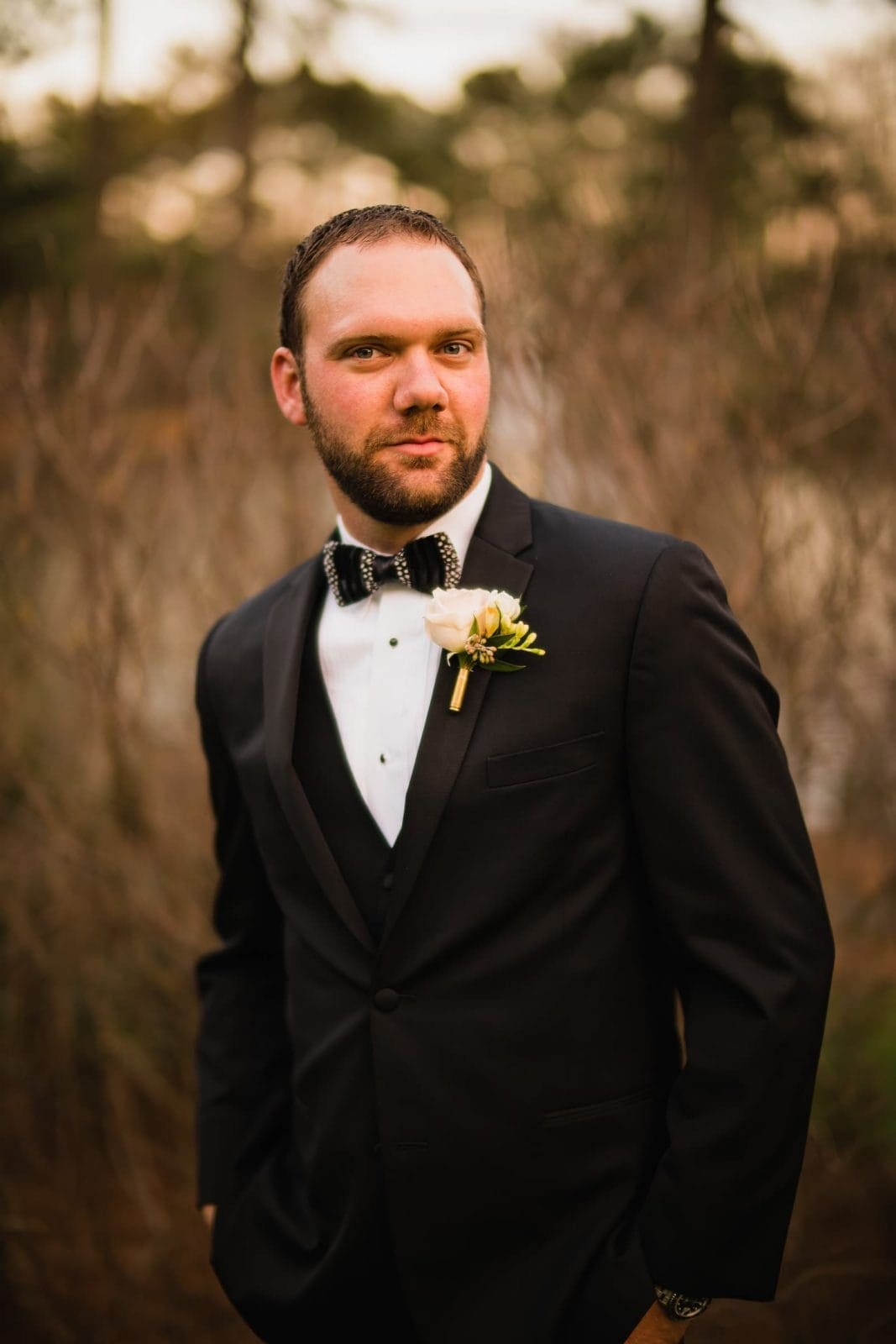
There is no universally correct answer. A first look can make the timeline easier, but it should suit the wedding you actually want. I’ve explored the advantages and trade-offs of a first look in detail here.
Why You Might Do It
- It guarantees some portraits in natural light during late-autumn and winter weddings.
- You can complete wedding-party and some family photographs before guests arrive.
- You may be able to attend more of your cocktail hour.
- It gives you a private moment together and often settles the nerves.
What to Keep in Mind
- Hair, makeup, and dressing will need to finish earlier.
- You need somewhere private and visually suitable to meet.
- If the traditional aisle reveal matters deeply to you, waiting may be the better choice.
Family and Group Formals
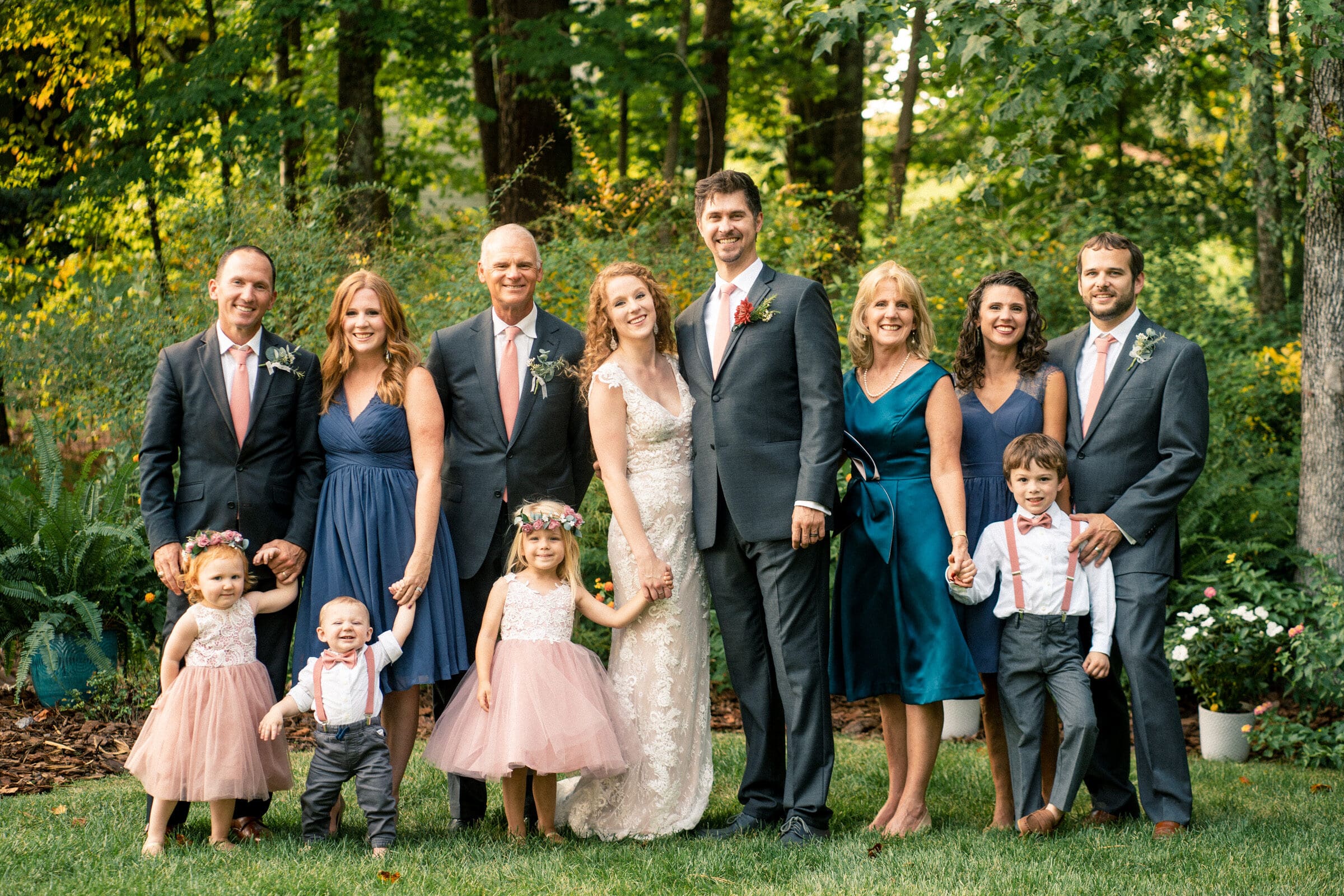
This is the part of the day where organization matters most. The photographs themselves are straightforward; gathering the right people is what takes time.
- Create one definitive list: We will agree on the exact family combinations before the wedding so you don’t have to make decisions on the spot.
- Keep the formal list focused: Prioritize parents, siblings, grandparents, and the combinations that genuinely matter. We can photograph extended family more informally during the reception.
- Tell everybody where to be: Let each person know the time and location, and ask them not to disappear toward the bar until they have been released.
- Nominate a family wrangler: Someone who knows the relatives can find the next group while I photograph the current one.
A concise, well-organized list protects your cocktail hour and gets everyone back to the celebration quickly. If there are divorces, estrangements, mobility concerns, or any sensitive family dynamics, please tell me privately beforehand. Discretion is part of the planning.

Wedding Portraits
Portraits should not consume the day. I will give you clear direction, use the light and surroundings well, and work efficiently so you can return to your guests. There is no requirement for stiff or cheesy posing—unless, of course, cheesy is exactly what you want.
The Golden-Hour Mini-Session
Even if we finish your main portraits before the ceremony, I often recommend stepping outside for 10 to 15 minutes around sunset. The softer light can produce something completely different from the earlier portraits.
It also gives the two of you a brief chance to breathe and take in the fact that you are married. I will watch the conditions and find a natural opening between courses, speeches, or band sets rather than dragging you away at the worst possible moment.
The Ceremony
Once the ceremony begins, your job is to be present. Mine is to anticipate what is happening without becoming part of it. Let me know about any traditions, surprises, restrictions, or people whose reactions will be especially meaningful.
If you would prefer your guests to watch the ceremony with their own eyes rather than through a screen, consider an unplugged ceremony. A short announcement from the officiant is usually more effective than signage alone. You can read more about the advantages of an unplugged wedding here.
The Reception
Now it is time to let your hair down. Before the wedding, I will coordinate with you, your planner, and the band or DJ so we agree on the timing of entrances, dances, toasts, cake cutting, and anything else you have planned.
Try not to schedule every event back-to-back. A little open dancing between formalities gives the celebration a natural rhythm and creates space for candid photographs of the people you invited to share it.
You should not need to look at the clock. Your job is to eat, talk, dance, and enjoy yourselves. We will take care of what happens when.

More Wedding Planning Resources
Photography is only one part of creating a wedding day that runs smoothly. A strong planner, hair and makeup team, florist, entertainment team, and venue staff can make an enormous difference to both the experience and the photographs.
- Explore my recommended Raleigh, Durham & Chapel Hill wedding vendors and planning resources
- Explore wedding venues and venue-specific planning guides
- Read the wedding photography frequently asked questions
The Complete Wedding Photography Planning Library
These focused guides explore individual decisions in more depth:
Sessions Before the Wedding
- Prepare for Your Engagement Session—and Actually Enjoy It
- Prepare for Your Bridal Session—and Actually Enjoy It
Planning the Wedding Day
- Create a More Relaxed Wedding Day
- Plan the Getting-Ready Part of the Day
- Consider the Pros and Cons of a First Look
- Consider an Unplugged Wedding Ceremony
Choosing Your Coverage
- Understand Wedding Photography Costs in Raleigh, Durham & Chapel Hill
- Plan Photography for a Small or Intimate Wedding
- Read the Wedding Photography FAQs
Venues and Vendor Team
- Explore North Carolina Wedding Venues and Venue Guides
- Browse Recommended Wedding Planners and Vendors
Plan Enough—Then Let the Wedding Happen
A timeline matters, but it is not the point of the wedding. Its job is to create enough structure that you can stop thinking about logistics and be present with the people you love.
Perfect weddings don’t exist. Meaningful weddings do. If the weather changes, the schedule slips, or a bow tie stages a last-minute rebellion, we will adapt. The day will keep moving, the important moments will still happen, and I will be there to photograph them.
If you are planning a wedding in Raleigh, Durham, Chapel Hill, or elsewhere in North Carolina and want photography built around the wedding you are actually having, tell me a little about your plans and check availability for your date.
