And What It Isn’t…
If you have spent more than five minutes scrolling through wedding websites while planning your wedding in Raleigh, Durham, or Chapel Hill, you’ve likely seen the terms thrown around everywhere: documentary wedding photography, authentic, honest storytelling, candid photography, wedding photojournalism.
It has become a massive buzzword in the wedding industry. I even overheard a bridesmaid at a recent wedding yell out to the bride to look at my camera for a “candid portrait”. It makes you stop and wonder: what does that even mean?
Let’s strip away the marketing speak and look at what genuine wedding photojournalism looks like under the hood—and why a unique blend of real storytelling, fine art portraits, and efficient direction gives you the absolute best of both worlds.
The Misconception: It’s Not Just “Candid Photography”
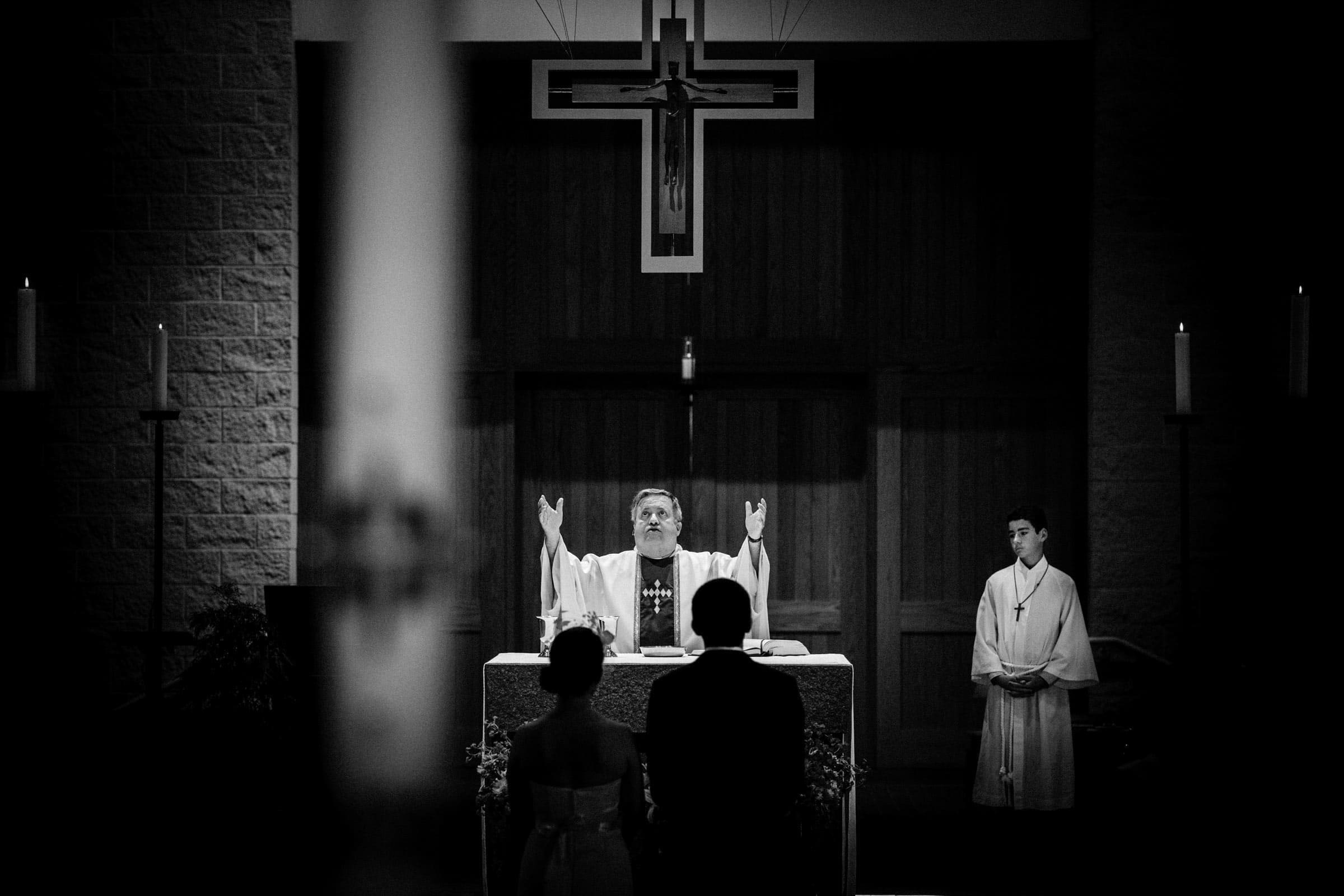
Many people mistake documentary wedding photography for basic, random “candid” snapshots. True photojournalism goes infinitely deeper.
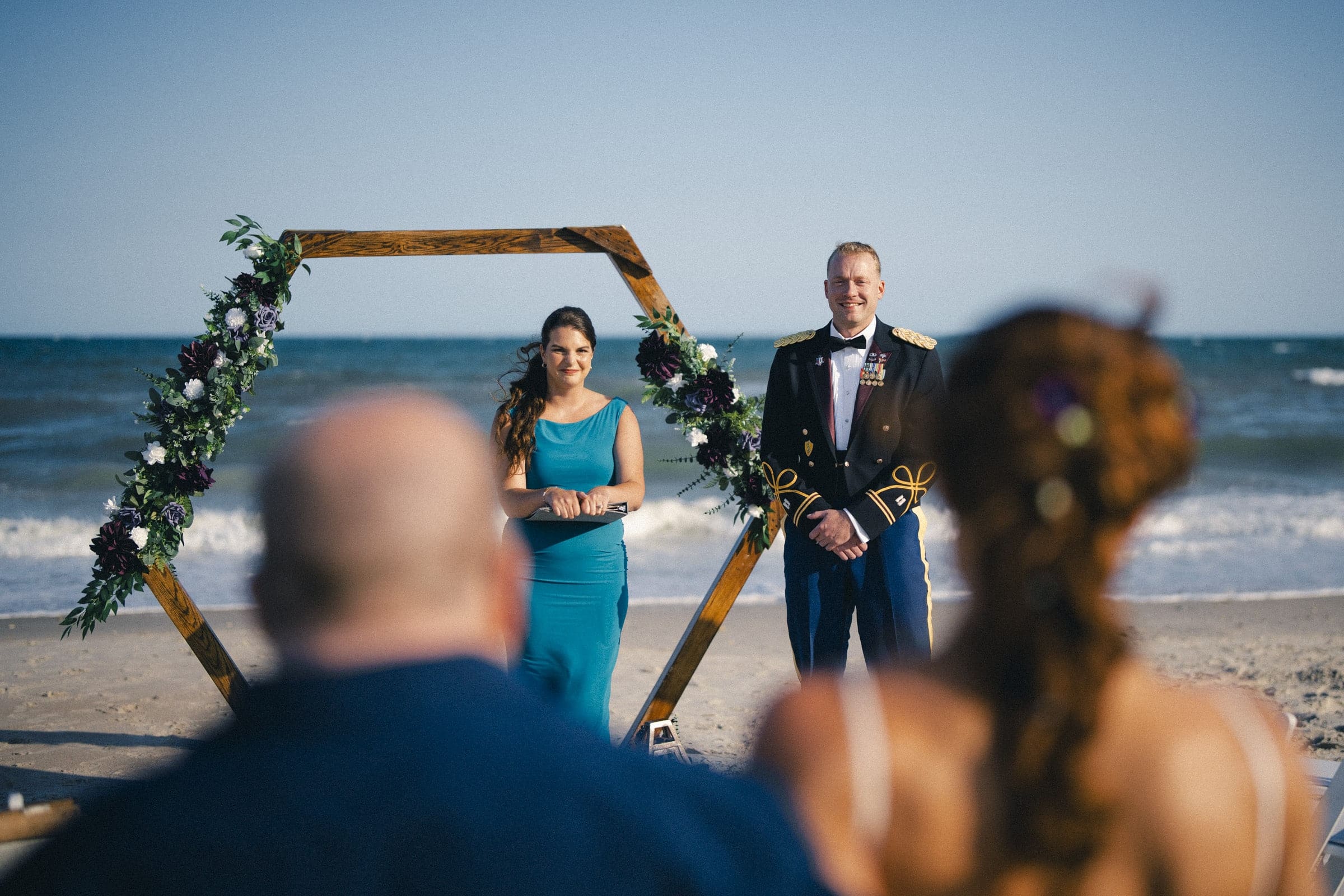
When a photographer operates as a genuine documentarian, they aren’t standing off at a distance with a long lens clicking the shutter at random. They are actively anticipating human emotion, reading the energy of the space, and capturing the quiet, unscripted beats that ultimately define your family legacy.

The Challenge of Being Truly Unobtrusive
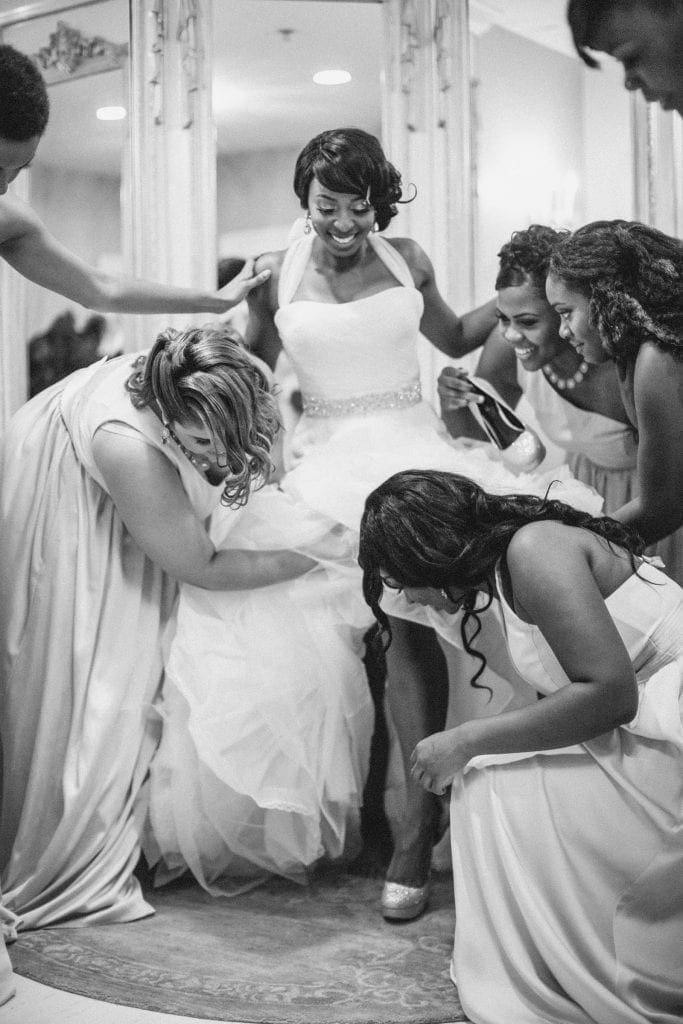
When I walk into the room with the bride and bridesmaids or the groom and his posse, the first thing I do is say hello and tell them all to basically ignore me. I don’t want anyone worrying about being in my shot. This way, the challenge is entirely on me to work around them, rather than forcing them to work around me. This means a purer documentation of the day. I want it to be as though I am not there at all.
The same applies to hair and makeup artists. Years ago, I might have asked them to move for a better angle; today, I don’t touch a thing out of sheer respect for their craft and space. My only real intervention during bridal prep is giving a bit of advice on where to get into the dress to capitalise on the best light and backdrop—but that is about it when it comes to directing.
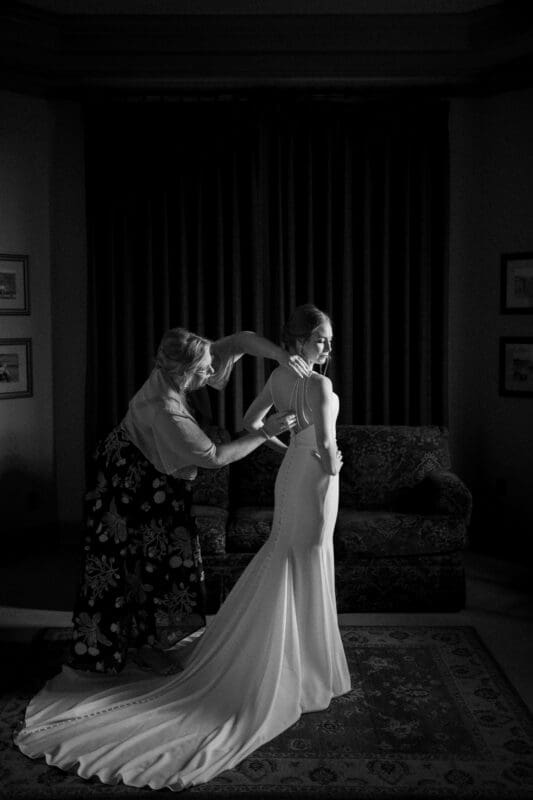
The Unobtrusive Observer: True photojournalism means the photographer does not dictate, stage, or manipulate the flow of your day. They do not tell your dad to button his suit jacket a second time “just for the camera.”
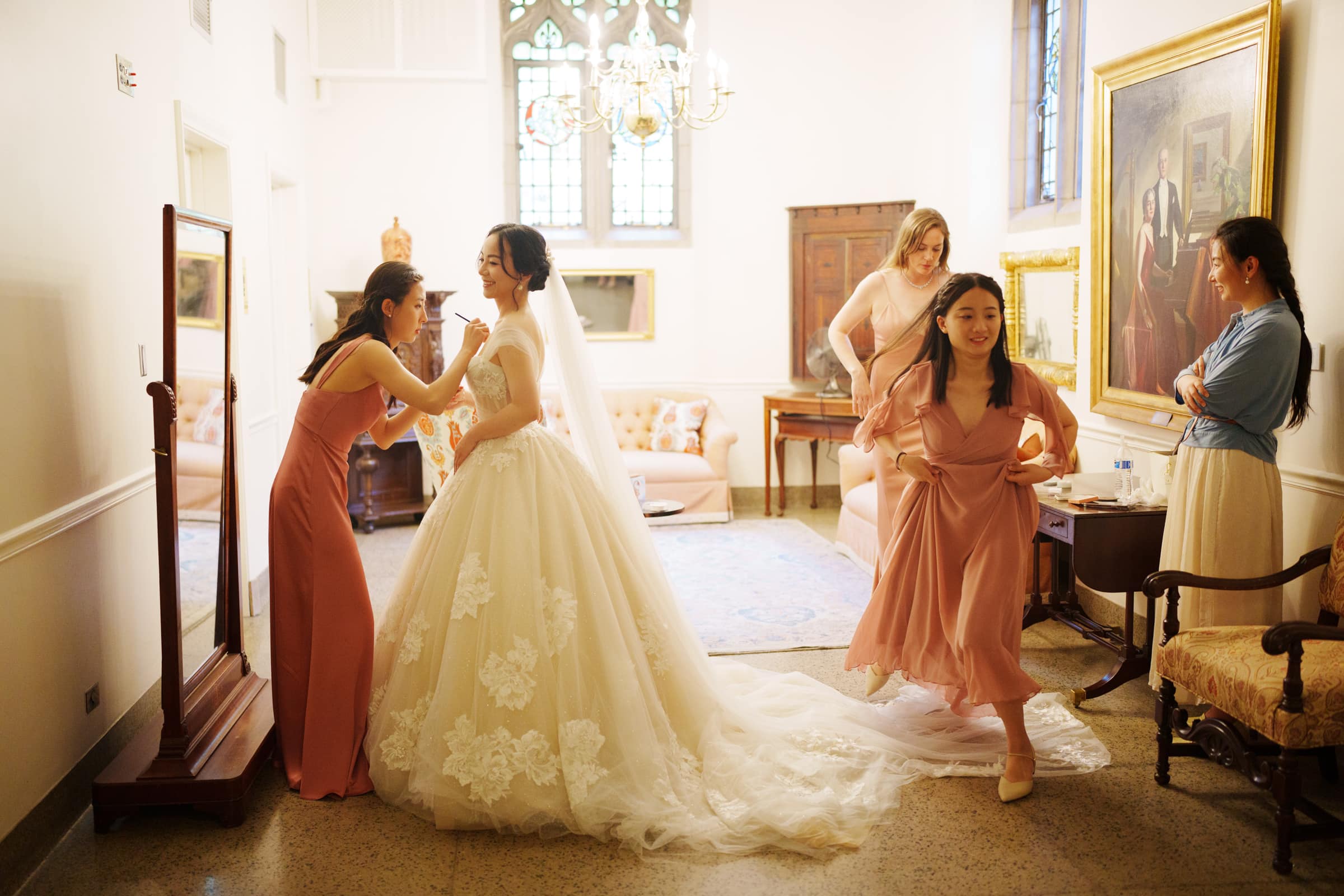
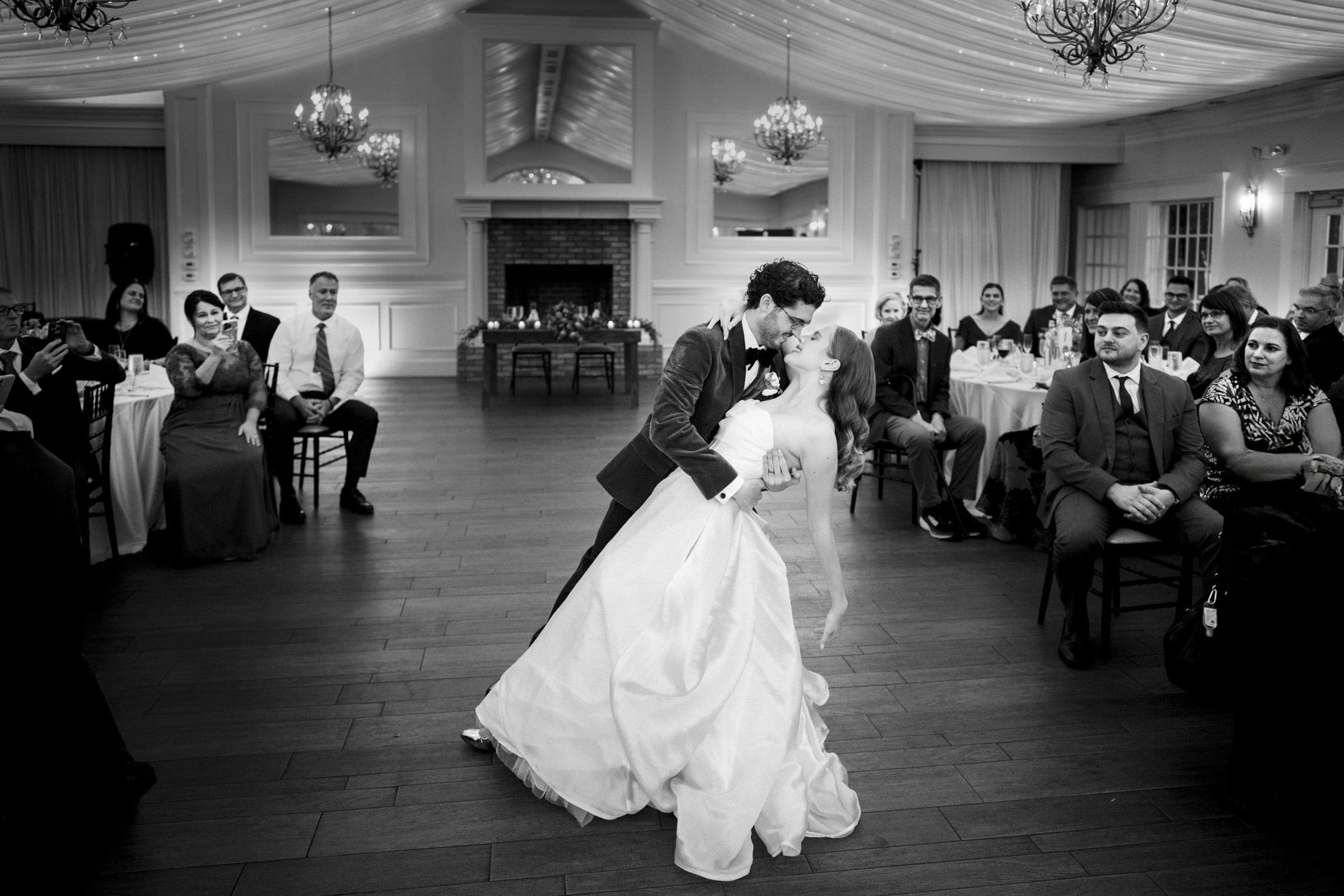
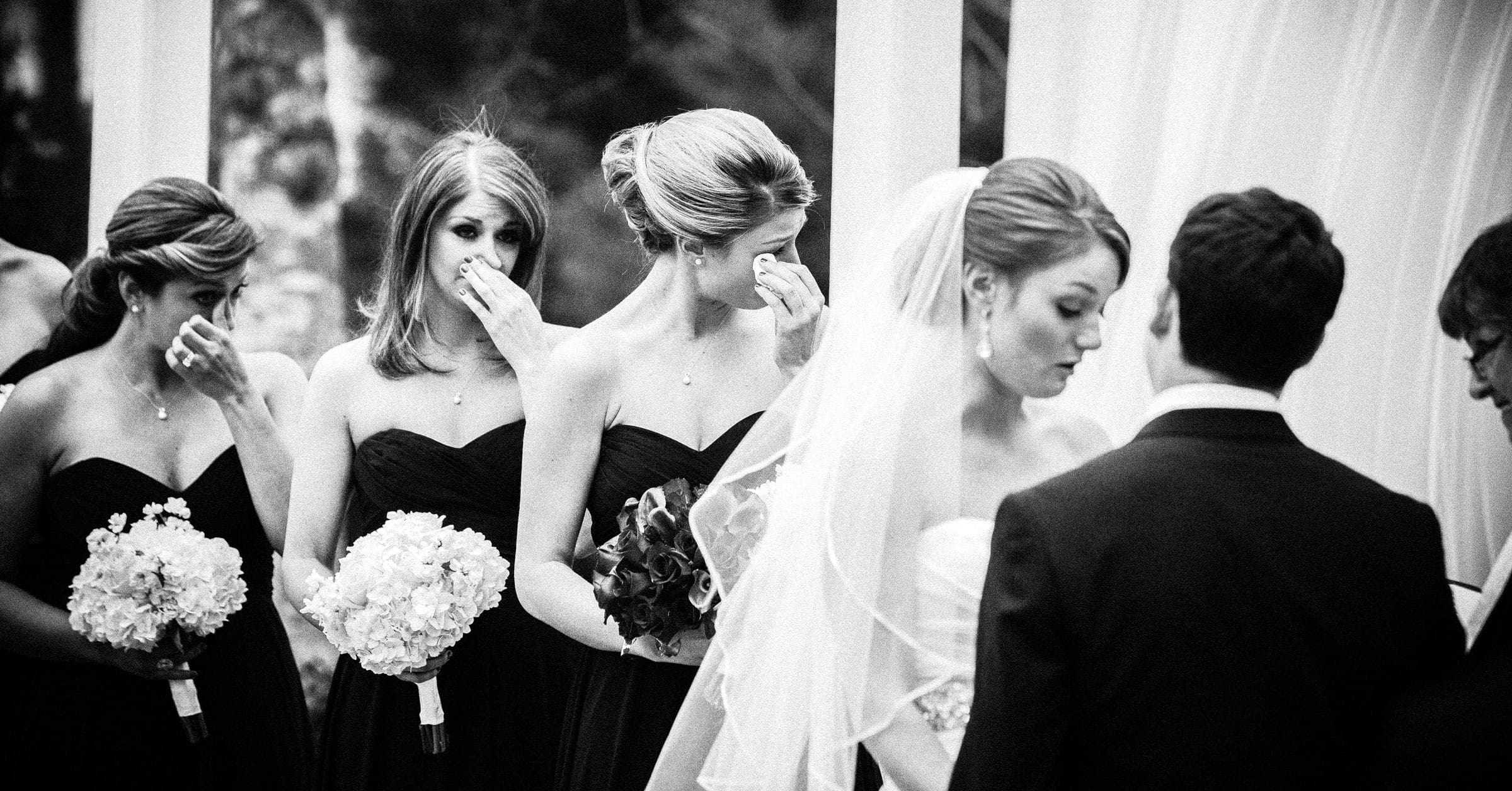
The Art of Anticipation: It is capturing the split second of absolute vulnerability when your partner sees you walking down the aisle at Duke Chapel, the quiet tear wiped away during the vows, or the chaotic, unfiltered energy on a crowded Raleigh dance floor.
The Architecture of the Frame: Decoupling Style from the Feed
There is another massive, subtle giveaway when a portfolio leans a certain way: the orientation of the photos. It is easy to look at a modern wedding gallery and notice that nearly every single moment is shot vertically (portrait orientation). Often, this is because a photographer is leaning heavily into how people view photos on an Instagram feed on their phones.
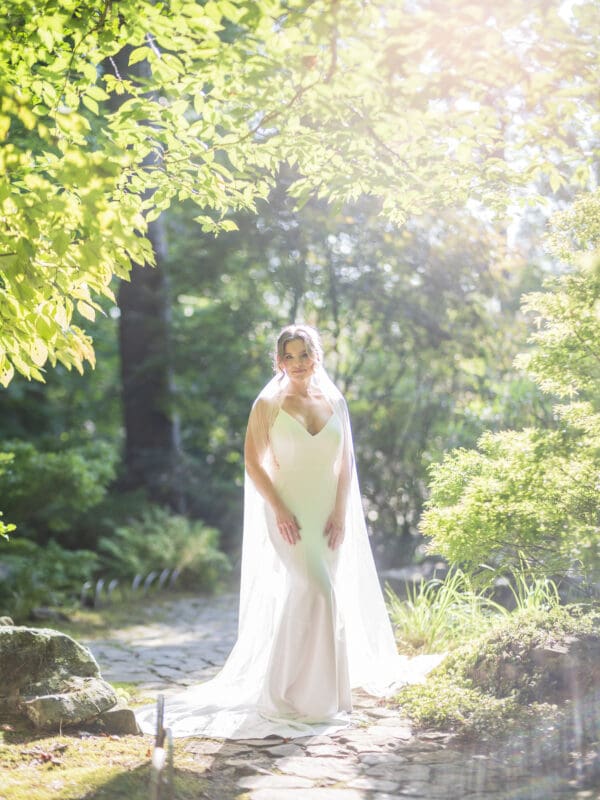
Let’s not be too dogmatic: there is absolutely a vital place for shooting portrait orientation. When the action or the subject dictates it—such as isolated portraits—it works beautifully to simplify the picture.
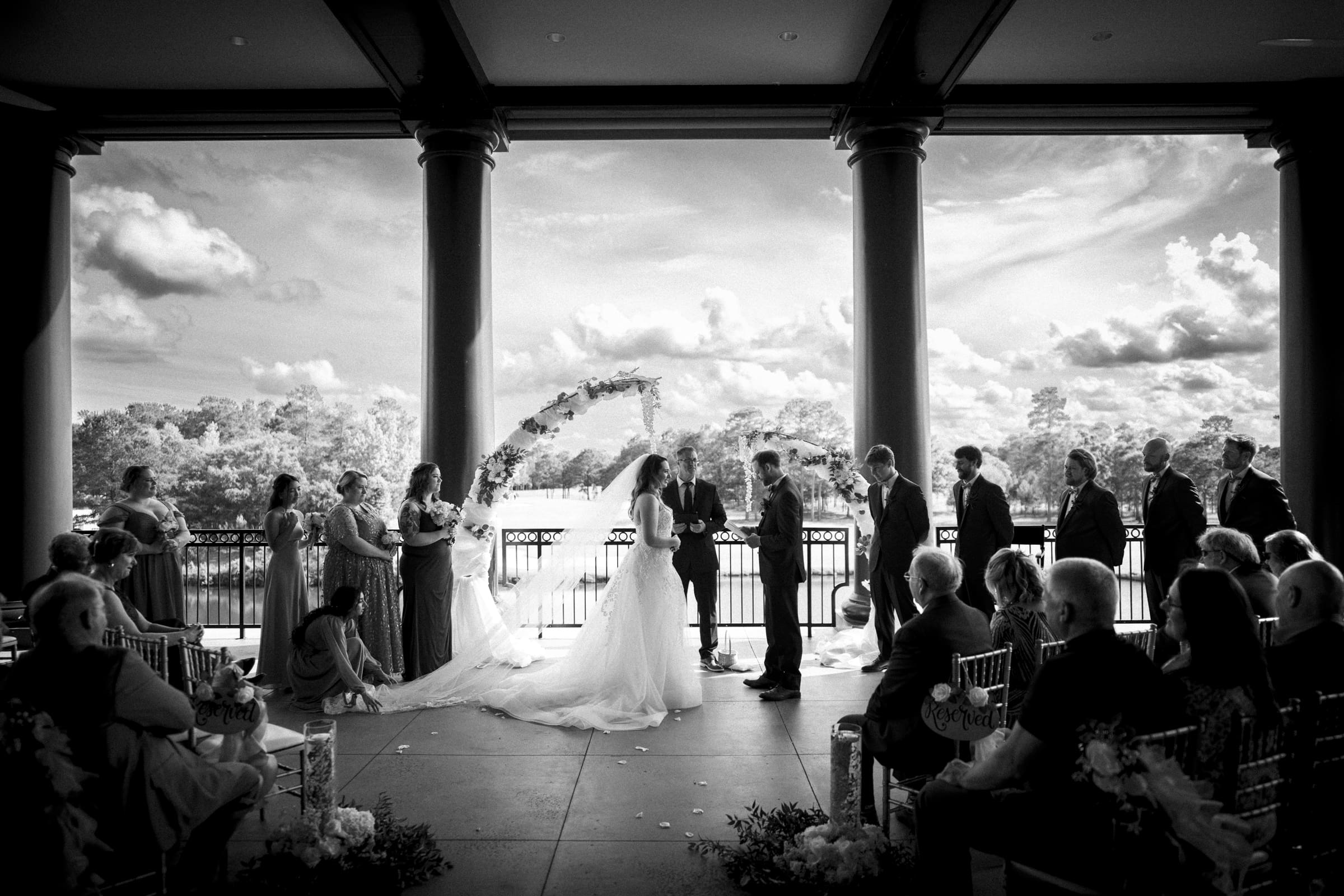
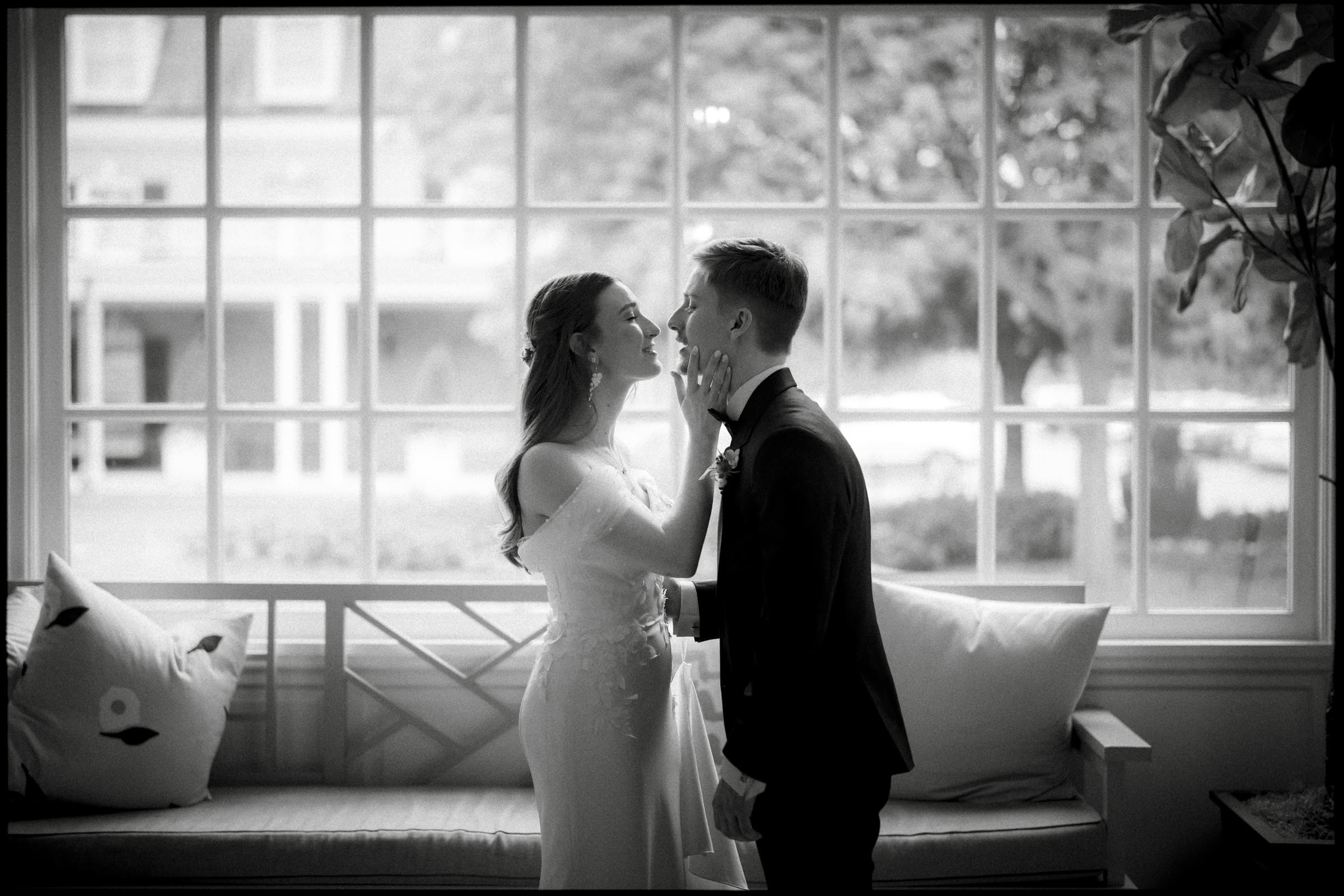
However, true storytelling inherently thrives in landscape orientation (horizontal frames). While a newspaper’s front page is a vertical rectangle shape, the actual photographs inside have historically relied on the landscape frame. A wider canvas allows for a more complex, multi-layered composition.
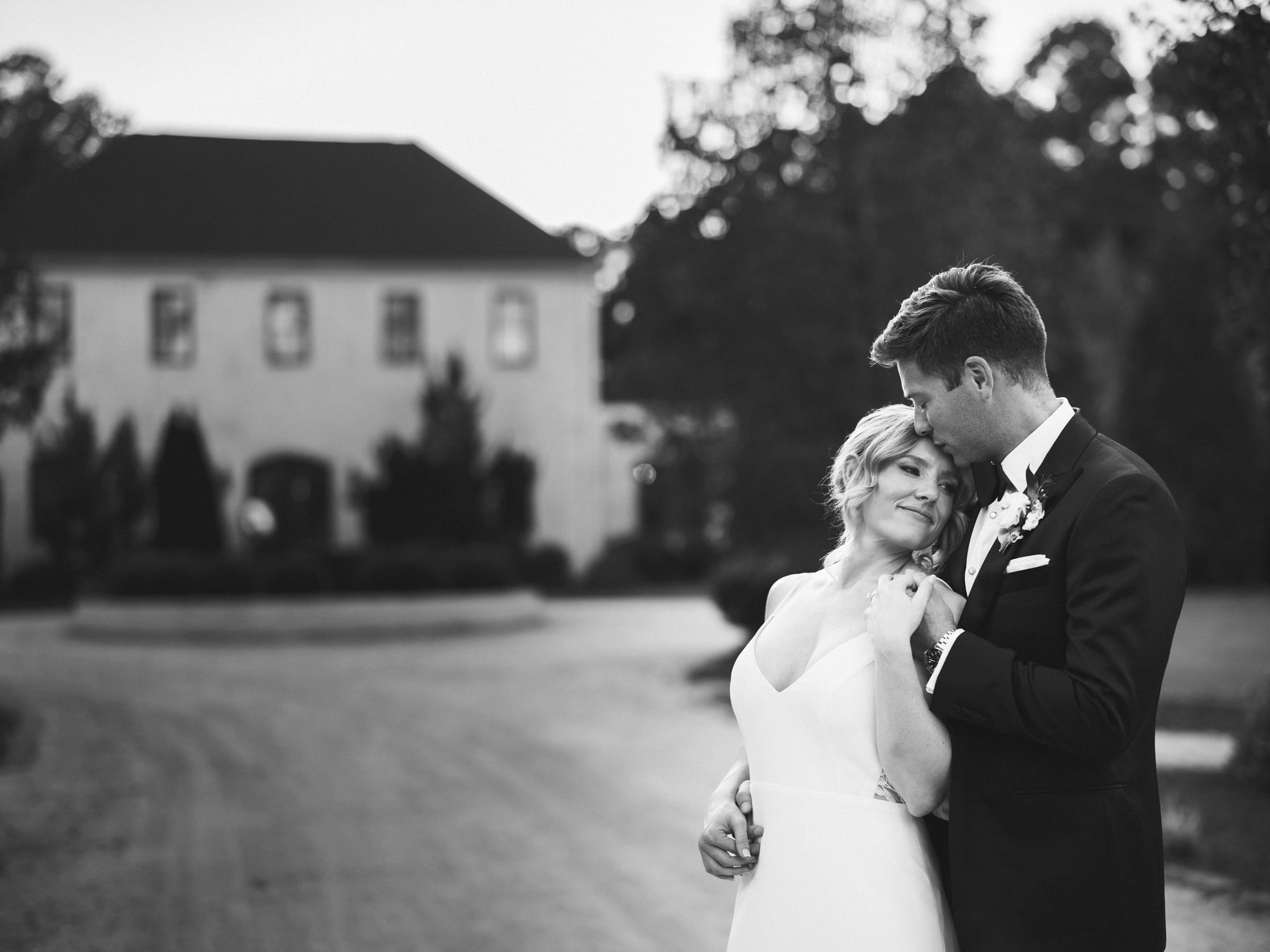
The Simplified Frame (Vertical): A vertical shot forces the camera to crop out the environment. It isolates a single person or a tight detail. It tells you who is there, but it often strips away the context. This makes it perfect for portraits (hence it’s also called portrait orientation!).
The Storytelling Frame (Horizontal): A horizontal frame allows for layers, context, and environment. It gives the photographer room to capture the primary action plus the surrounding reactions. It captures a bride hugging her emotional dad in the foreground while her mum clasps her hands with joy in the background, all under the watchful gaze of Jesus. The wide format also makes it great for wide photographs of scenery and the countryside, which is why it’s also called landscape orientation.

I shoot to best tell the story for my clients, not to feed a social media algorithm. Human eyes naturally see the world in widescreen, and nuanced stories require a wider stage to breathe.
Moving Beyond the “Pigeonholes” of the Digital Darkroom
This commitment to honesty flows directly into the post-processing suite. In the wedding industry today, photographers love catchphrases like “dark and moody” or “light and airy” to encapsulate their digital darkroom style. But these labels can pigeonhole work too much, making entirely different weddings look exactly the same.
The reality is that a single wedding day isn’t mono-tonal. It can have deep, moody moments and bright, light moments. Rather than slapping a one-size-fits-all preset over an entire gallery, my approach is about using the exposure intentionally to tell the story of that specific moment and convey its true mood.
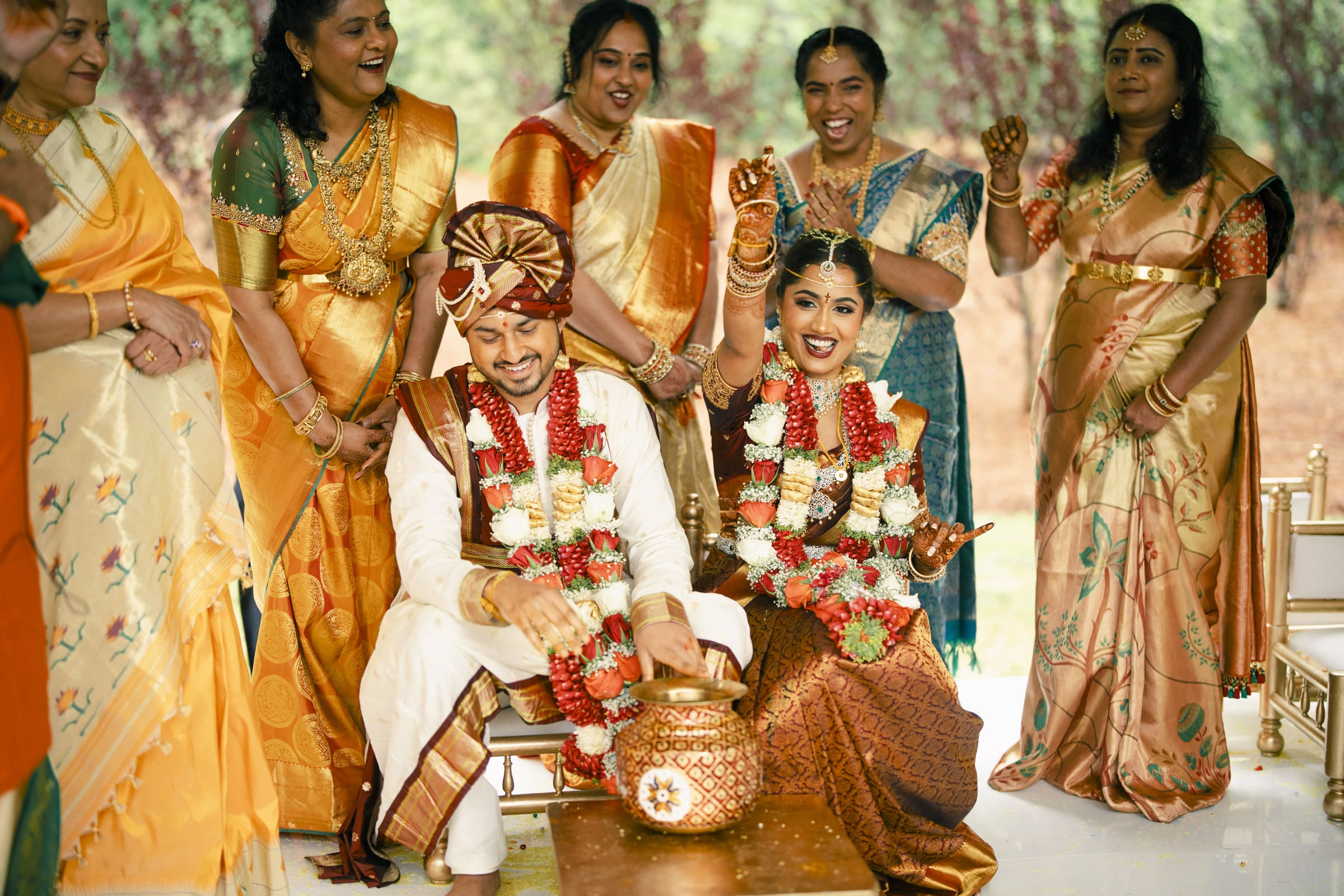
A vibrant, sun-drenched Indian wedding celebration in downtown Raleigh demands a rich, true-to-life colour palette that honours the brilliance of the cultural attire. Conversely, a rainy, intimate autumn gathering at a historic Chapel Hill venue calls for a softer, more atmospheric tonal balance. The edit should always reflect what it actually felt like to be there.
Why Emotion Trumps Material Objects (and a Realistic Approach to Details)
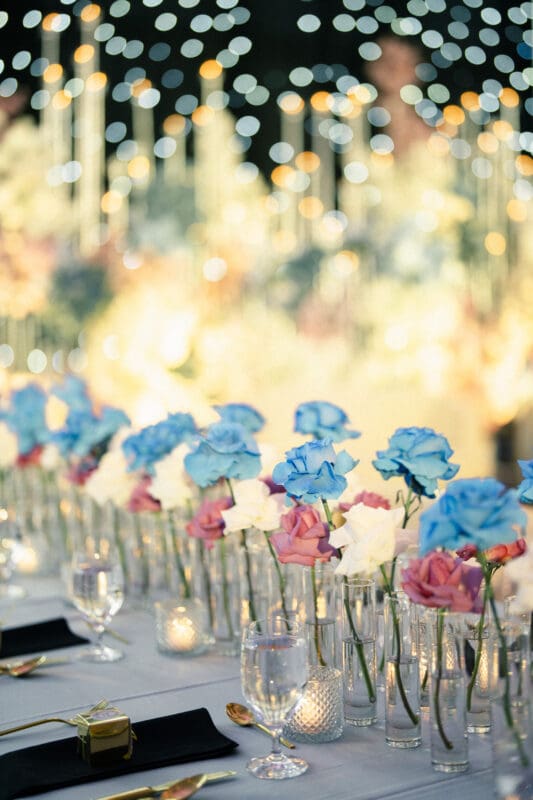
Walk through my featured galleries and you will notice another distinct pattern: you won’t see endless rows of isolated photos showcasing a dress hanging in a tree, a ring balanced in a flower, or invitation suites styled with loose petals. While I absolutely document those physical elements for your complete gallery record, they rarely make the front page of a visual story.
Fifty years from now, a perfectly lit photo of a shoe or a centerpiece won’t make your heart skip a beat. But the raw, unscripted expression on your favorite person’s face—or the sight of a loved one who is no longer with you laughing wildly on the dance floor—absolutely will.

When it comes to wedding details, I love creating a truly creative, artistic picture with the dress and shoes, provided the venue space allows for it. However, I choose not to spend hours fiddling with flatlays on the wedding day itself. They are pretty tricky to lay out properly, and I would far rather spend that precious time documenting the real human energy of the bridal party getting ready.
A Collaborative Solution: If my couples do want that specific style of flatlay detail photography, I simply ask their wedding planner to handle the layout arrangement. That way, I can step in and capture it beautifully once it’s ready, without missing a single real moment happening next door.
The same philosophy applies to the cocktail hour. I will always make sure to step in and shoot the styled reception room, but it invariably requires waiting for candles to be lit and venue staff to clear the space (which can be a fun dance of timing!). Once that’s done, I quickly pivot back to what matters: documenting the gorgeous, golden-hour interactions of your family and friends.
My Artistic Evolution: Rooted in the Masters
True, strict documentarians would never interact with their subjects at all. While that pure philosophy shaped my early career, my style has naturally evolved over the years. I love to chat with my clients, keep the atmosphere light, and subtly ensure we are running to schedule!
My foundation, however, remains deeply rooted in classic photojournalism. My original and most profound influence was Jeff Ascough—a legendary wedding photojournalist who eschewed any direction and even the use of flash, who in turn was highly influenced by the father of street photography, Henri Cartier-Bresson, among others. It was my pleasure to finally meet Jeff and attend one of his street photography workshops in Bath (near my hometown in England) a couple of years ago.
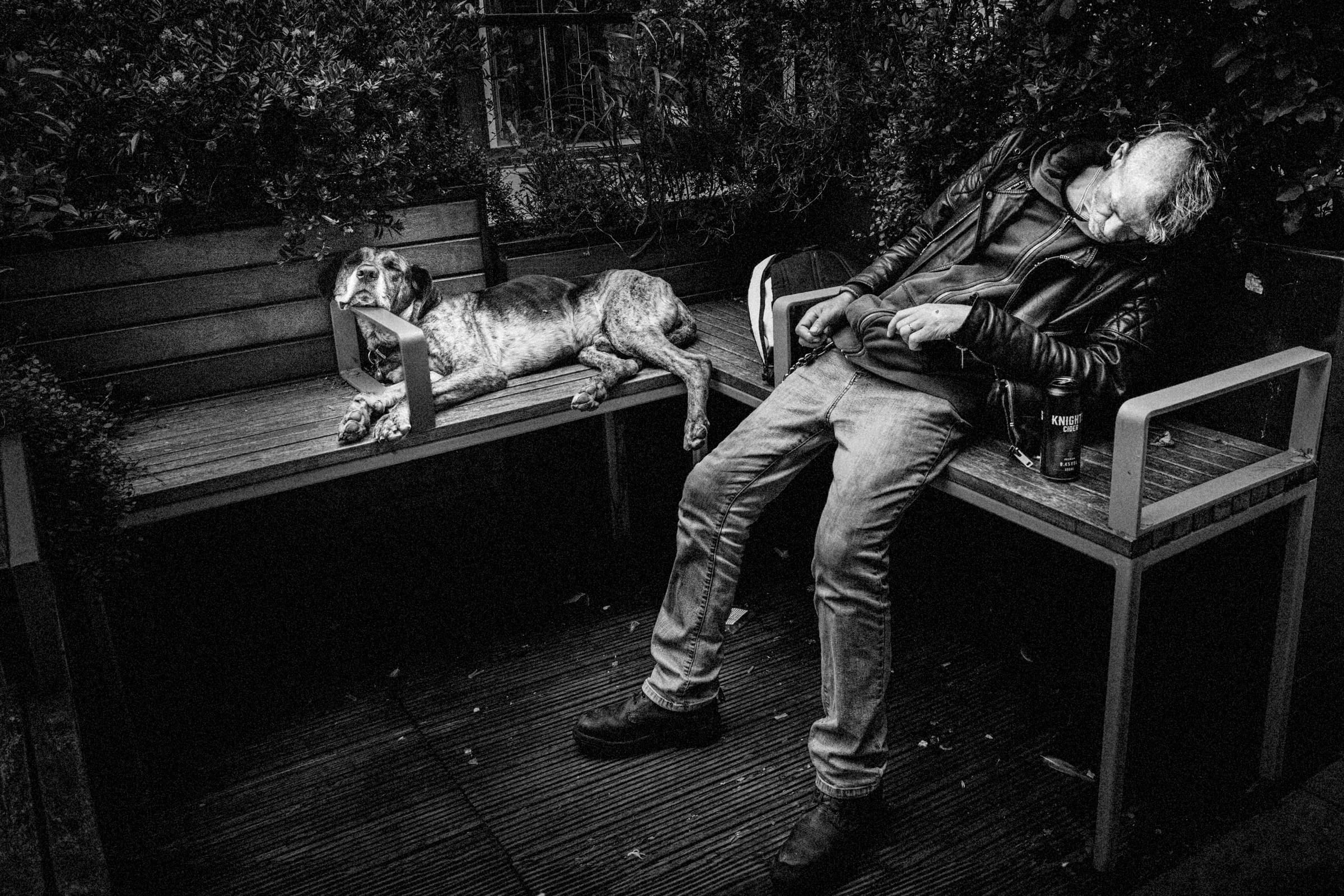
From there, my path took a monumental leap forward when I attended a workshop with Cliff Mautner, a brilliant photojournalist formerly with the Philadelphia Inquirer. Cliff’s philosophy that “darkness is my canvas, light is my paint” completely encapsulated what I was striving for. I was incredibly drawn to his masterclass use of natural light, his uncompromising PJ philosophy, and his approach to the subtle use of flash. He taught me how to manipulate exposure and truly understand the art of seeing. He frequently used a phrase—“Take a look at what you’re looking at”—which he attributed to the legendary Jay Maisel (whom I was later fortunate enough to see speak live at a conference in 2014).
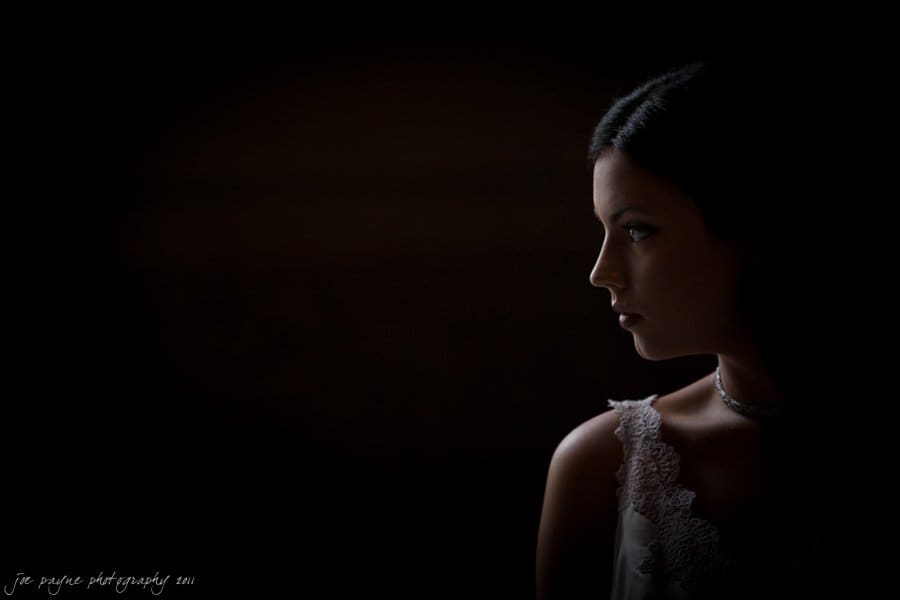
It was actually Cliff who introduced me to the work of Parker Pfister, a phenomenal, boundary-pushing visual artist. If Cliff taught me how to see the light, Parker pushed me to go infinitely deeper—to look beyond the obvious and embrace the purely artistic side of the craft. I’ve since done five or six workshops with Parker, spanning everything from weddings and portraiture to raw artistic expression. He completely transformed how I view my gear, showing me how to use cameras, lenses, and exposure as tools to express a specific feeling and convey a distinct mood. Today, Parker isn’t just a mentor; he is one of my best friends.

(There is an incredibly rich history behind how these people influenced me and shifted my perspective, how my style has adapted over the decades, and how I view the technical boundaries of photography—but I’ll be diving much deeper into that evolution in an upcoming post!)
The Reality: Editorial Efficiency and Fine Art Portraits
So, where does direction actually come into play? It’s all about a balanced approach: roughly 90% documentary photojournalism and 10% directed, intentional portraiture.
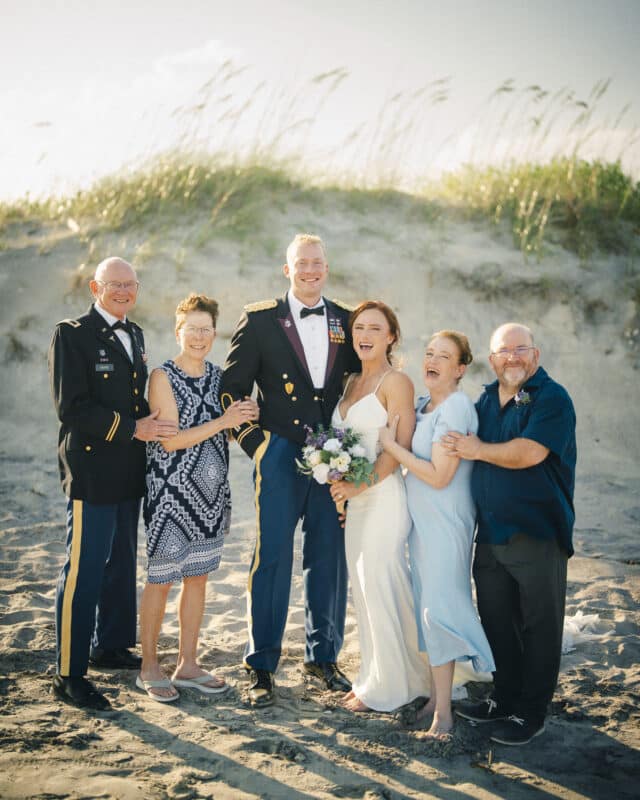
1. Efficient Family Formals (The Editorial Piece)
The editorial mindset is incredibly useful for family formal pictures. This is often the part of the day we have the least amount of time for, and admittedly, it’s where a photographer can be the least creative. However, these are the timeless photographs that always end up in the family album. My job here is to use clean, editorial direction to get these done quickly, efficiently, and beautifully, so you can get back to your party.
2. Bride & Groom Portraits (From Editorial to Fine Art)
When it comes to your couples’ portraits, we have the freedom to move from a clean editorial style to something resembling fine art, heavily dictated by the vibe of the day and the character of the venue.
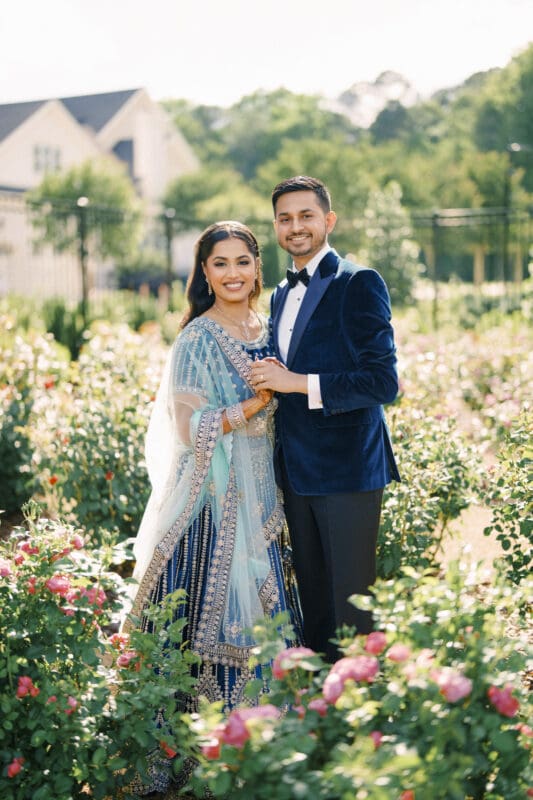
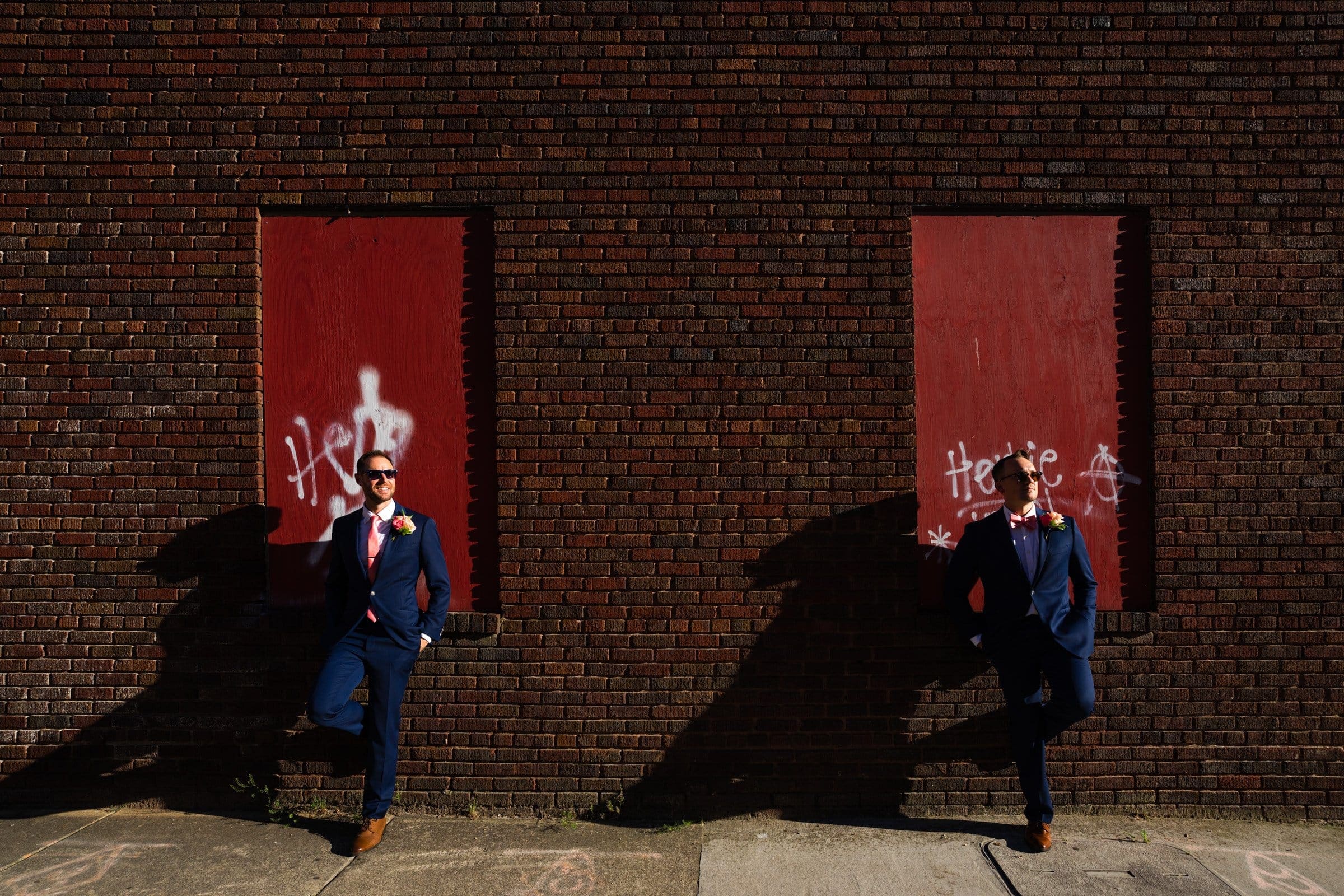
- Bright or Modern Locations: Bright, sunny days and sleek, contemporary venues naturally lend themselves to a polished, editorial look.
- Darker or Historic Spaces: When I am shooting at older, character-rich spaces around the Triangle, I subconsciously lean directly into the unique light, textures, and old-world vibe to craft a distinct fine art look for your portraits.
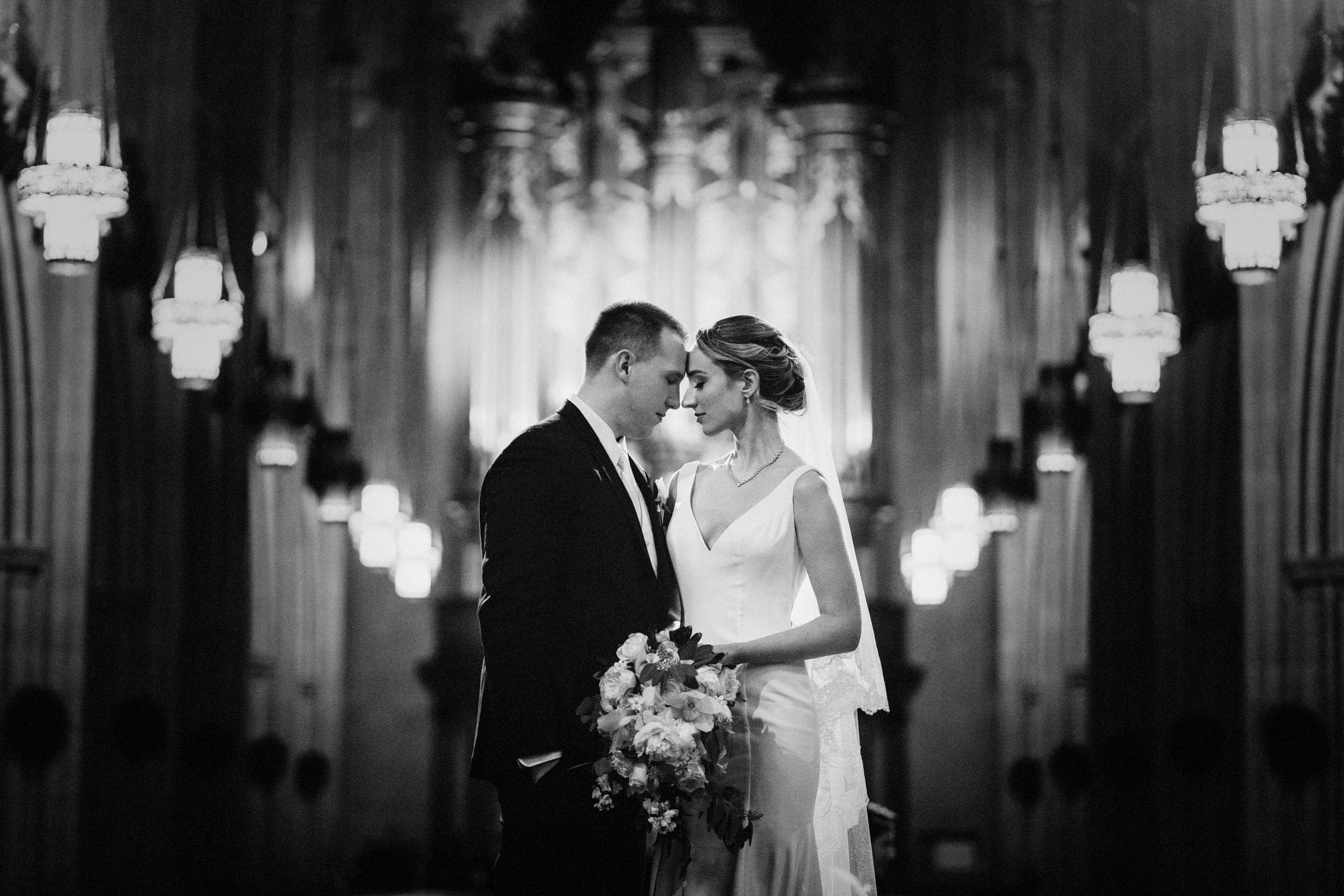
This isn’t about stiff, awkward mannequin posing where you’re told where to place every finger. It’s about refined direction—finding the best light, helping you ease into a natural stance, and letting your genuine interactions and connection do the rest.
Let’s Document Your Story
Your wedding day isn’t a performance, a styled shoot for an algorithm, or a series of staged “candids”—it’s a milestone in your family history.
If you are looking for a wedding photographer in the Raleigh, Durham, and Chapel Hill Triangle area who values real moments, respects your timeline, and knows how to blend honest documentary storytelling with beautiful portraiture, drop me a line below!