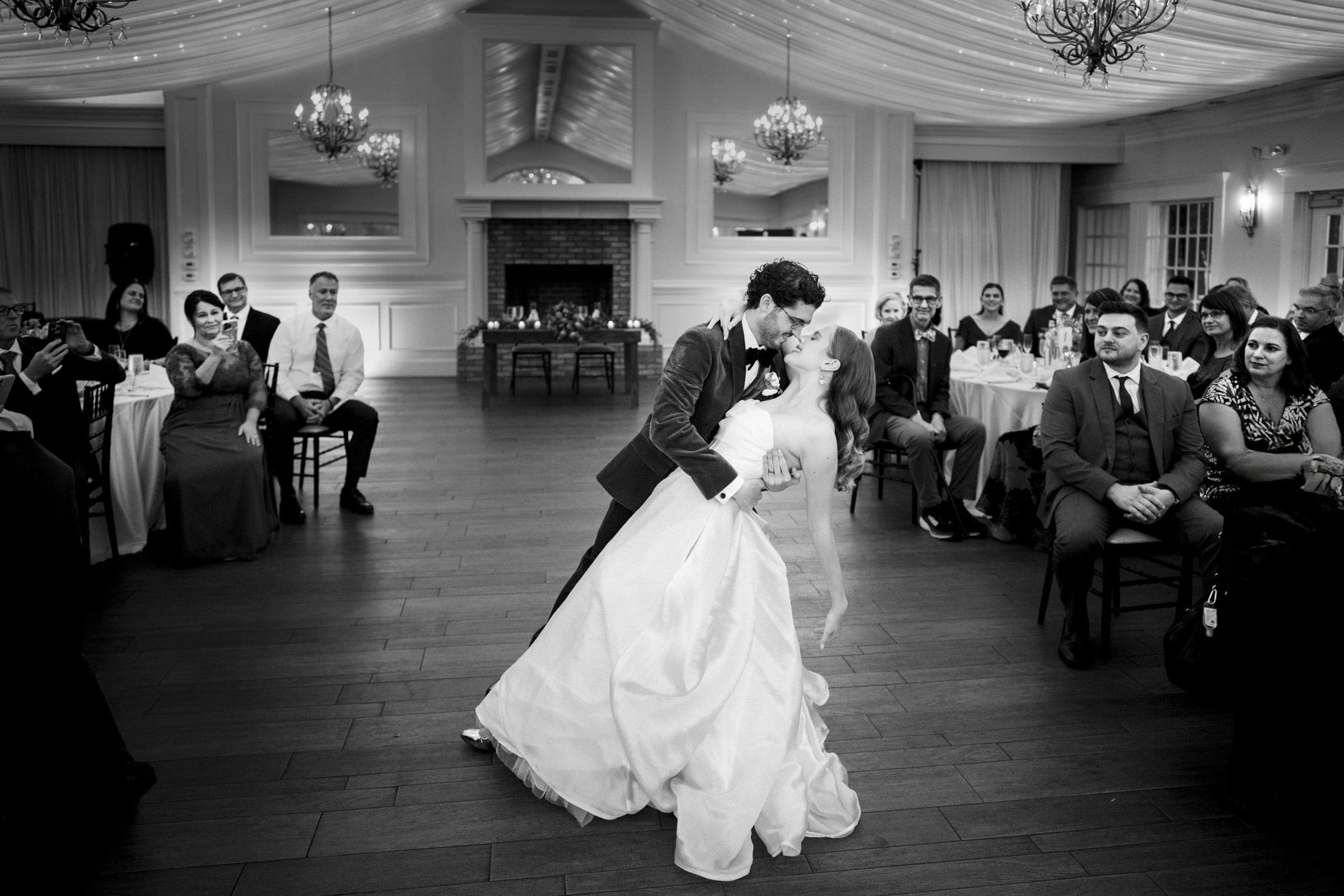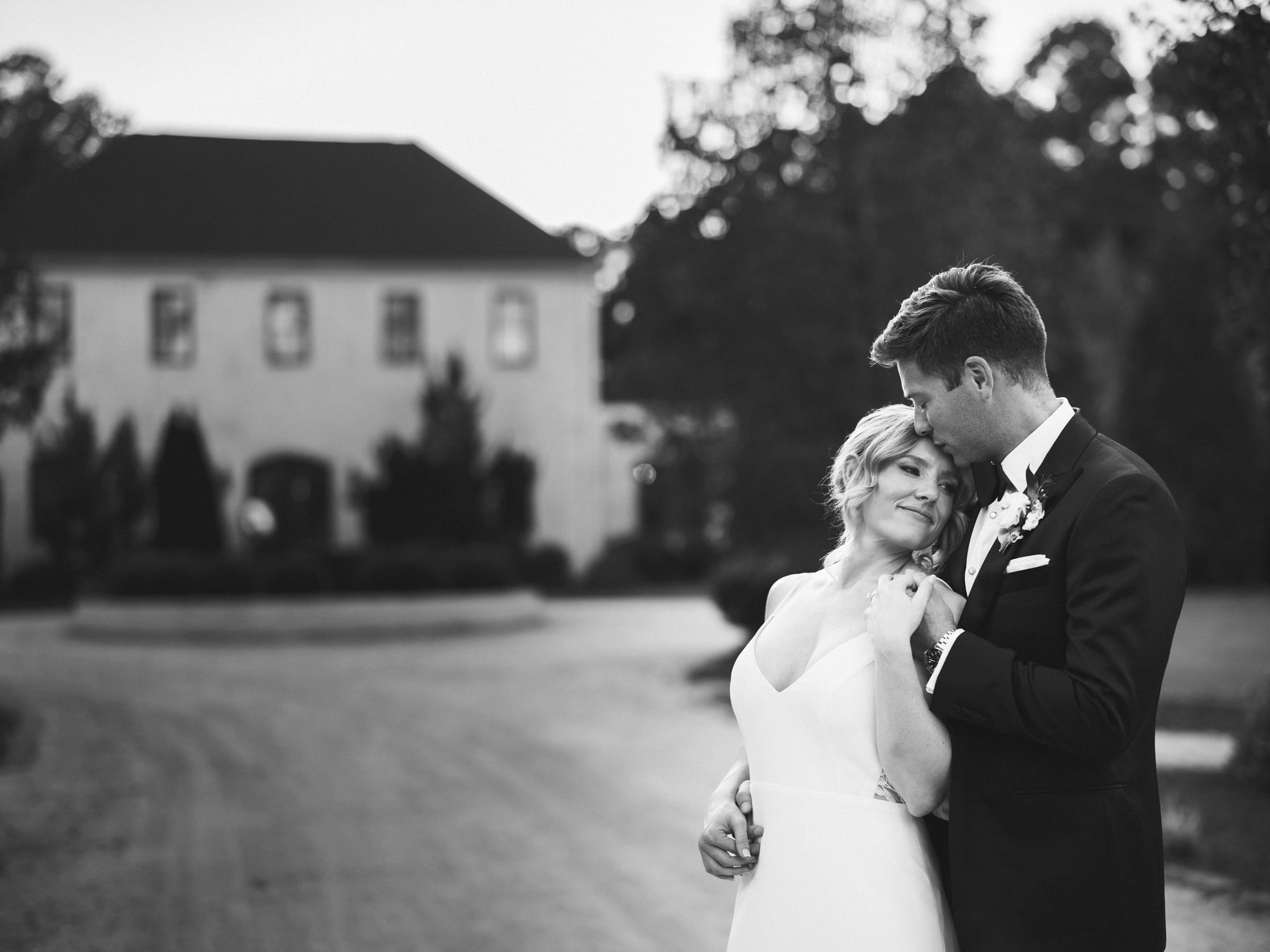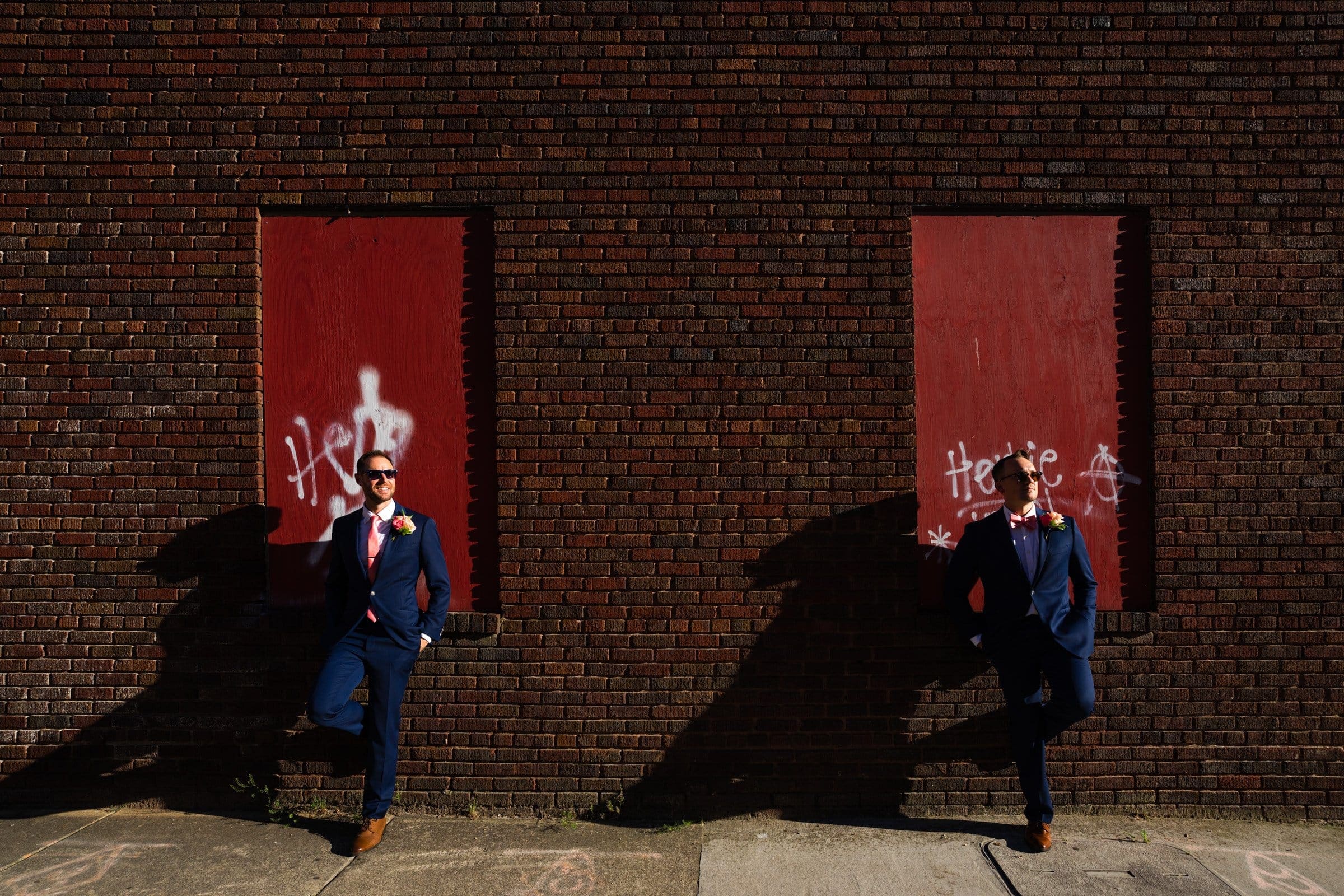
What nearly two decades of photographing intimate weddings, elopements & courthouse ceremonies has taught me.
Intimate weddings have been part of my work since the very beginning.
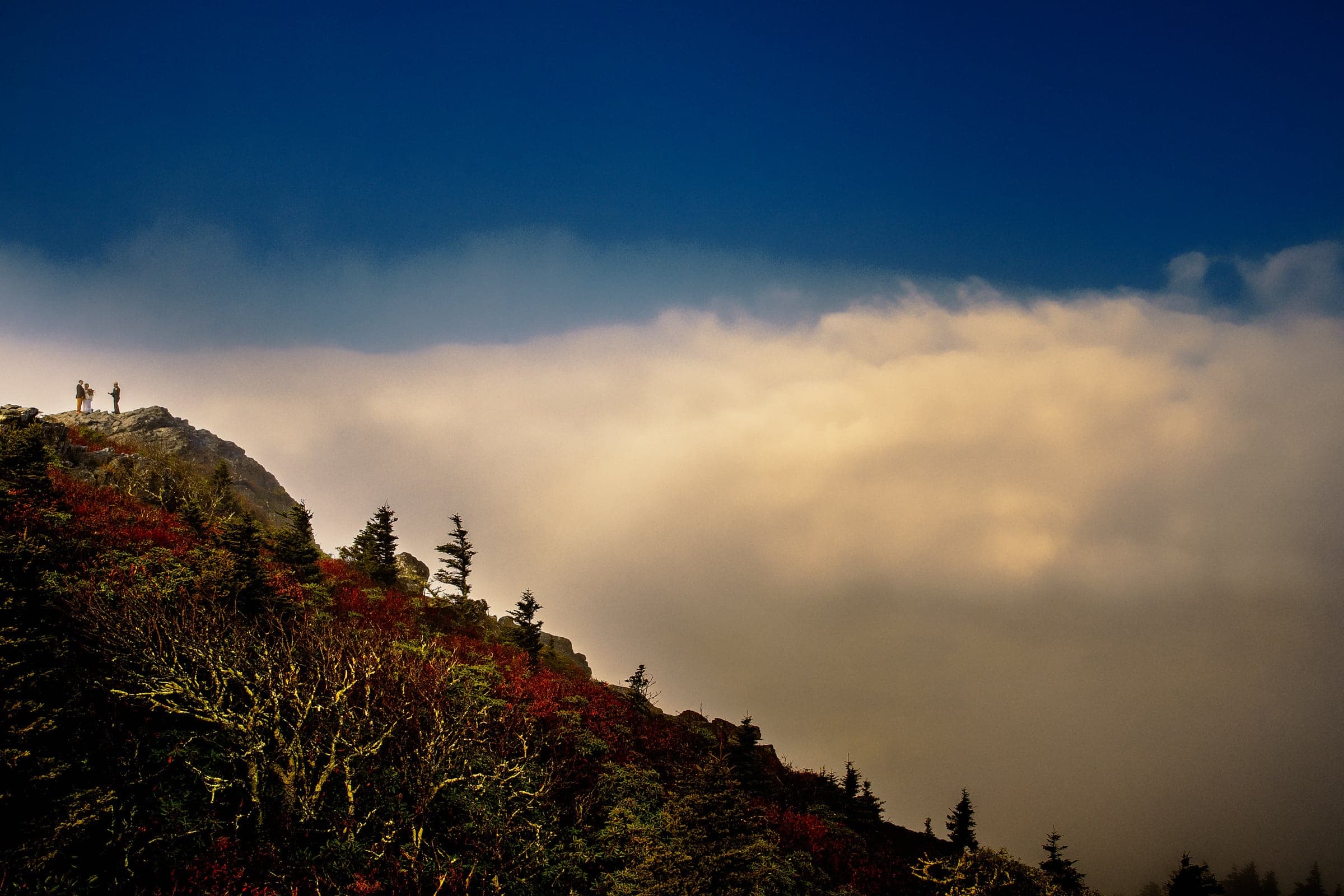
The first wedding I ever photographed was a small celebration in Indianapolis with just the couple & their immediate family. Since then, I’ve photographed courthouse ceremonies in Raleigh & Hillsborough, a wonderfully misty wedding on top of Grandfather Mountain, an intimate celebration on a beach in Jamaica and micro weddings at venues such as The Umstead.
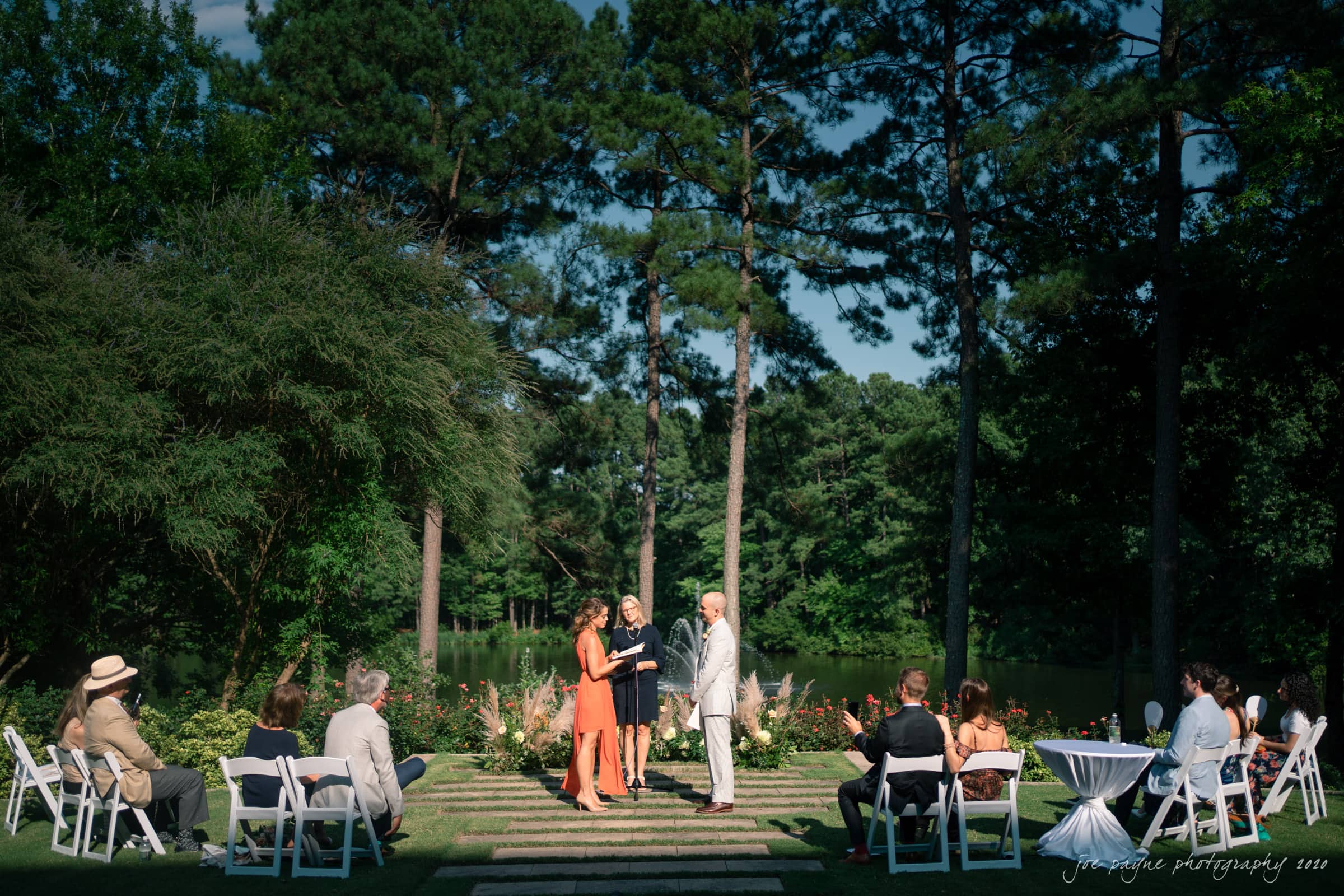
They’ve all been different.
That’s probably the thing I like most about them.
A smaller wedding gives you the freedom to pare the day back to what’s actually important to you. That might mean your immediate family, a meaningful location, more time together or simply getting married without feeling obliged to turn it into a huge production.
From a photographer’s perspective, that freedom can make these weddings particularly rewarding to document.
Smaller Doesn’t Mean Less Meaningful
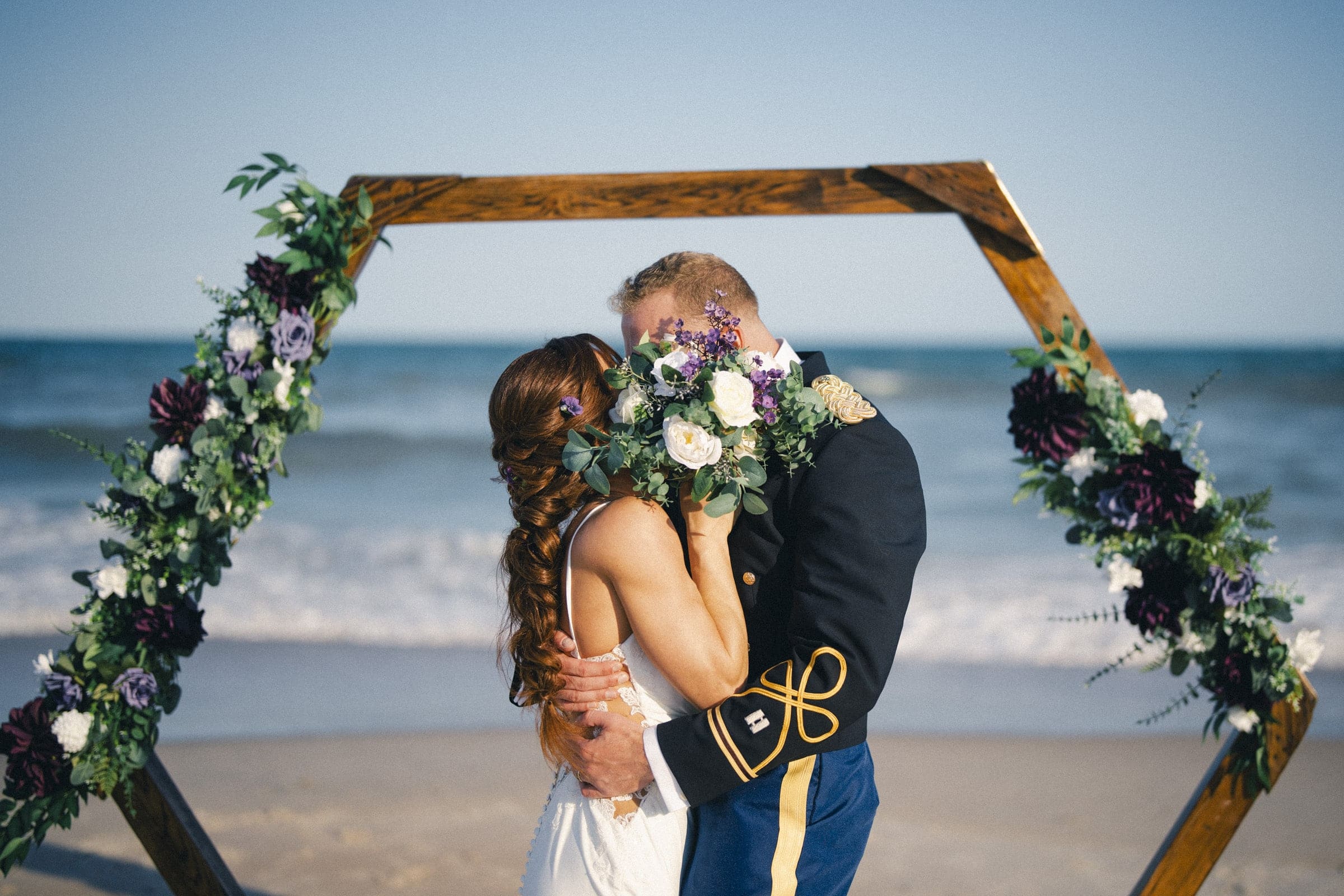
A wedding doesn’t become more important because another hundred people are watching it.
At smaller celebrations, almost everyone there tends to be part of the couple’s inner circle. That can give the day a very different atmosphere.
I once photographed an intimate destination wedding on a beach in Jamaica with only nine people. The guests were essentially immediate family—parents, siblings, partners & children.
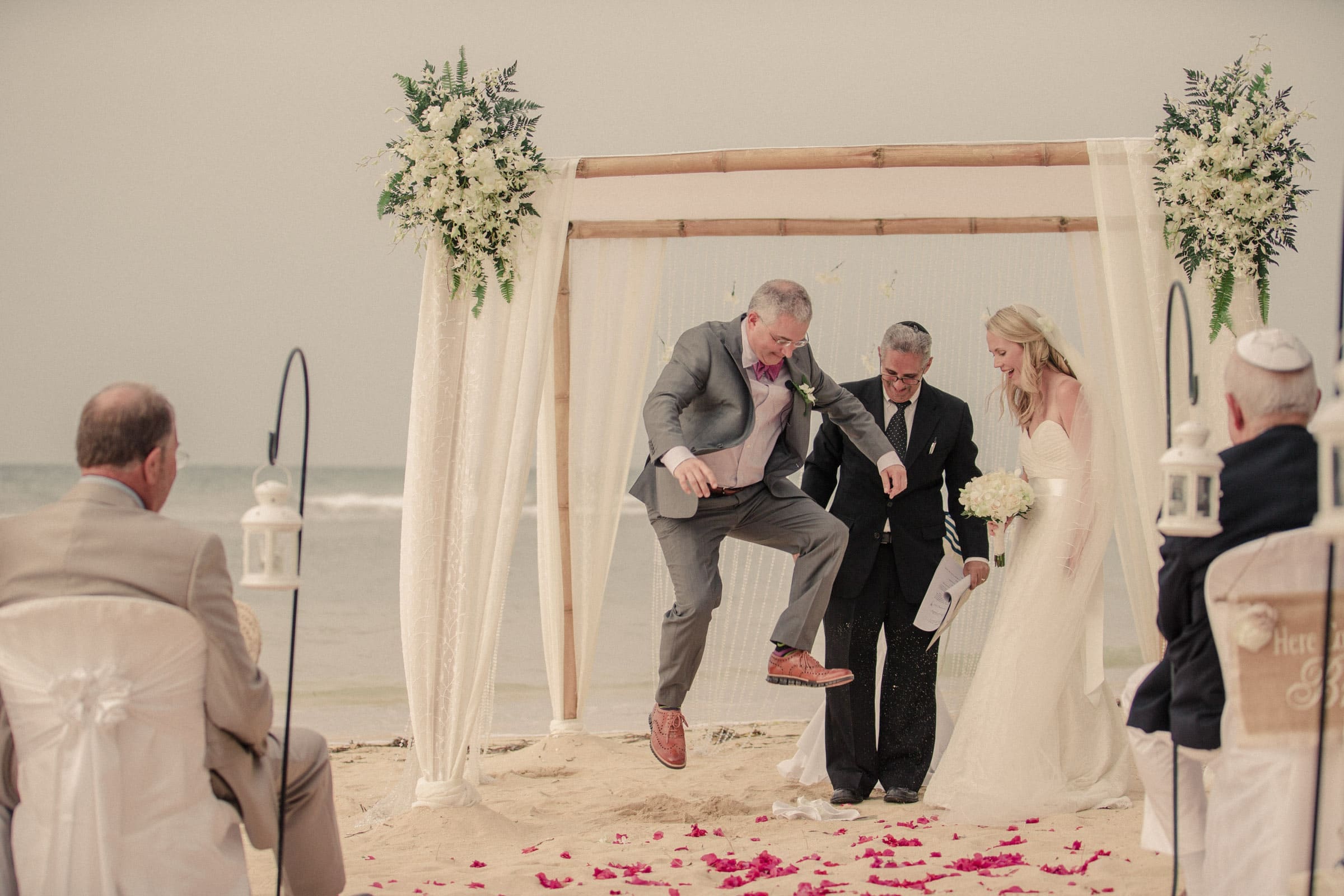
There weren’t many people to photograph.
But every person who was there mattered.
With fewer layers between me and the relationships at the heart of the wedding, I’m able to pay close attention to those interactions—the reactions during the ceremony, conversations between family members and all the little moments happening around the couple.
The scale is smaller.
The significance isn’t.
You Have More Freedom to Make It Yours
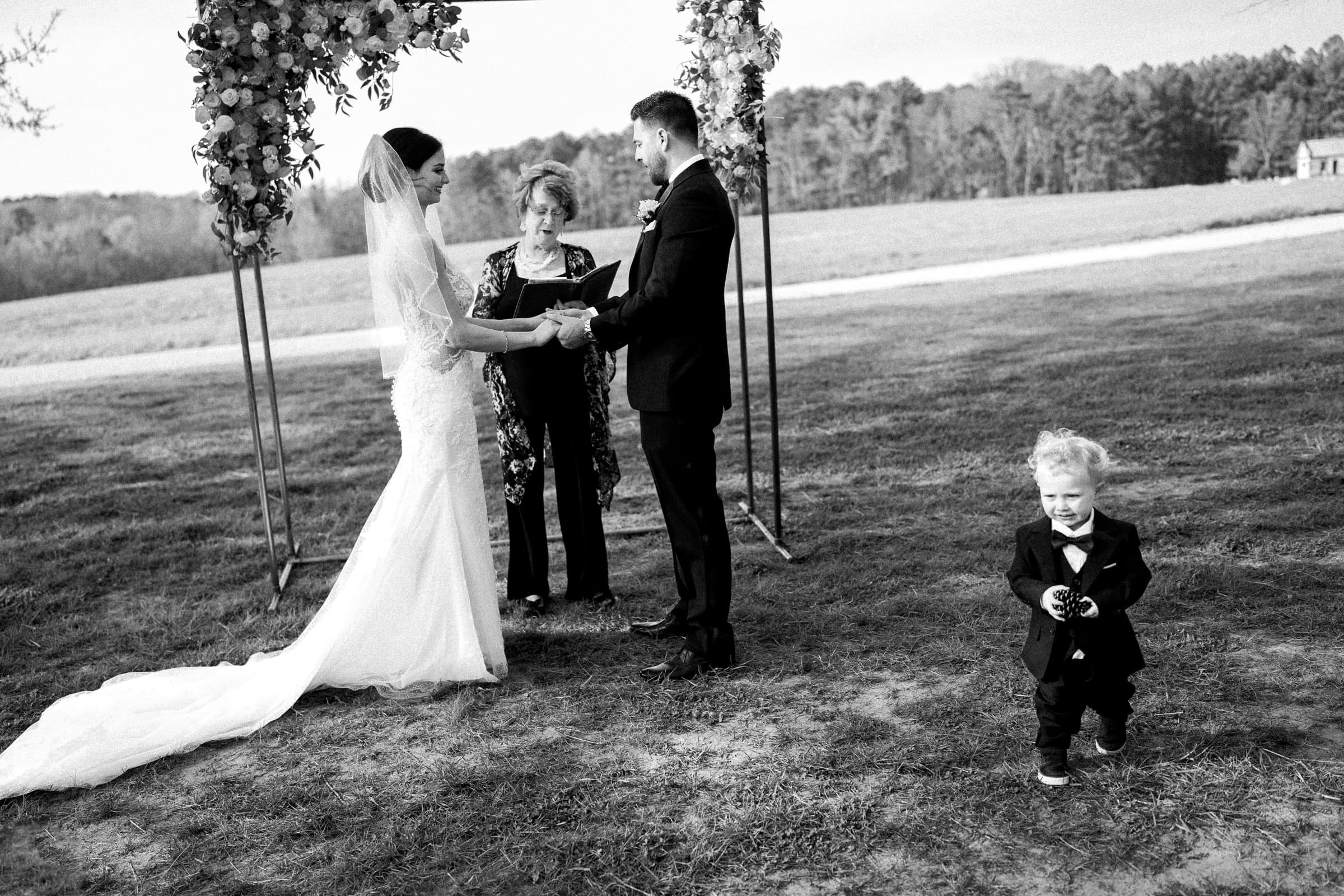
One of the pleasures of photographing smaller weddings is seeing how differently couples choose to celebrate.
I photographed an intimate wedding in Asheville where the groom was Chinese & the bride was English. We began with a Chinese tea ceremony and photographs in their Chinese attire before they changed into Western wedding clothes for a ceremony with their closest family in the garden.
On Grandfather Mountain, I photographed a wedding where the entire gathering consisted of the couple, a park ranger & me.
I’ve photographed courthouse ceremonies followed by portraits around downtown.
I’ve photographed couples who were already legally married and simply wanted to spend some time together creating photographs.
None of those weddings needed to follow the same formula.
Neither does yours.
Portraits Can Be Whatever You Want Them to Be
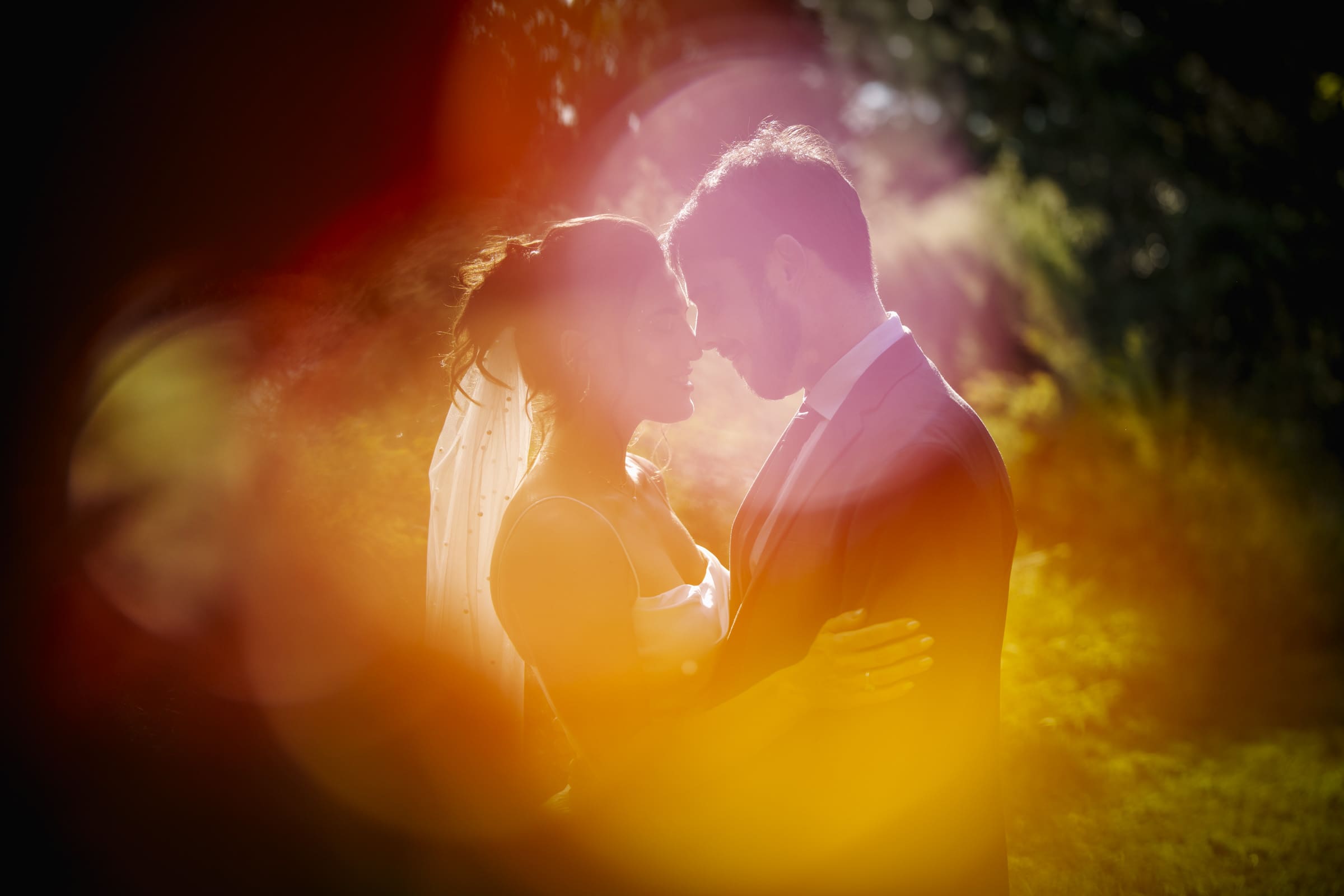
Smaller weddings often give us more flexibility with portraits.
That doesn’t mean disappearing for a two-hour photoshoot.
You might want ten minutes.
You might want thirty.
Or photography might be particularly important to you and you’d love to spend longer exploring somewhere together and creating something a little more unusual.
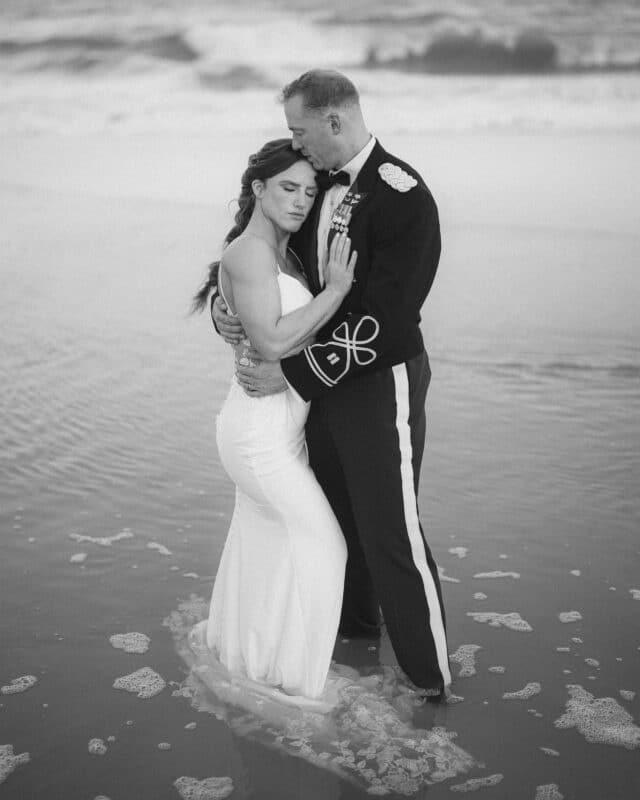
There’s no correct amount.
After a courthouse wedding, for example, we can treat the portrait portion almost like an engagement session. We can walk around, find interesting light, experiment a little and make photographs without constantly watching the clock.
Some couples want plenty of direction. Others want very little.
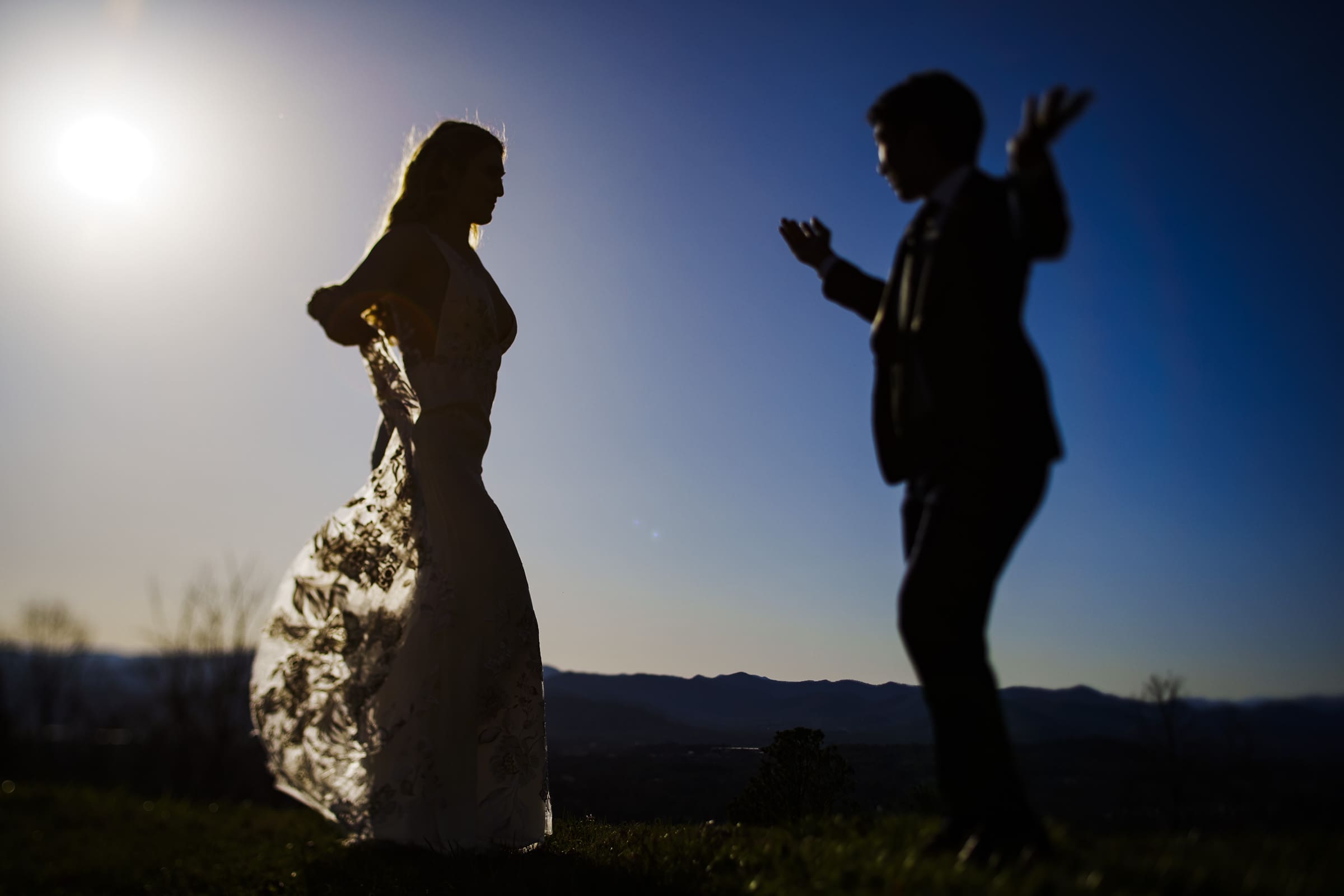
Some want traditional portraits.
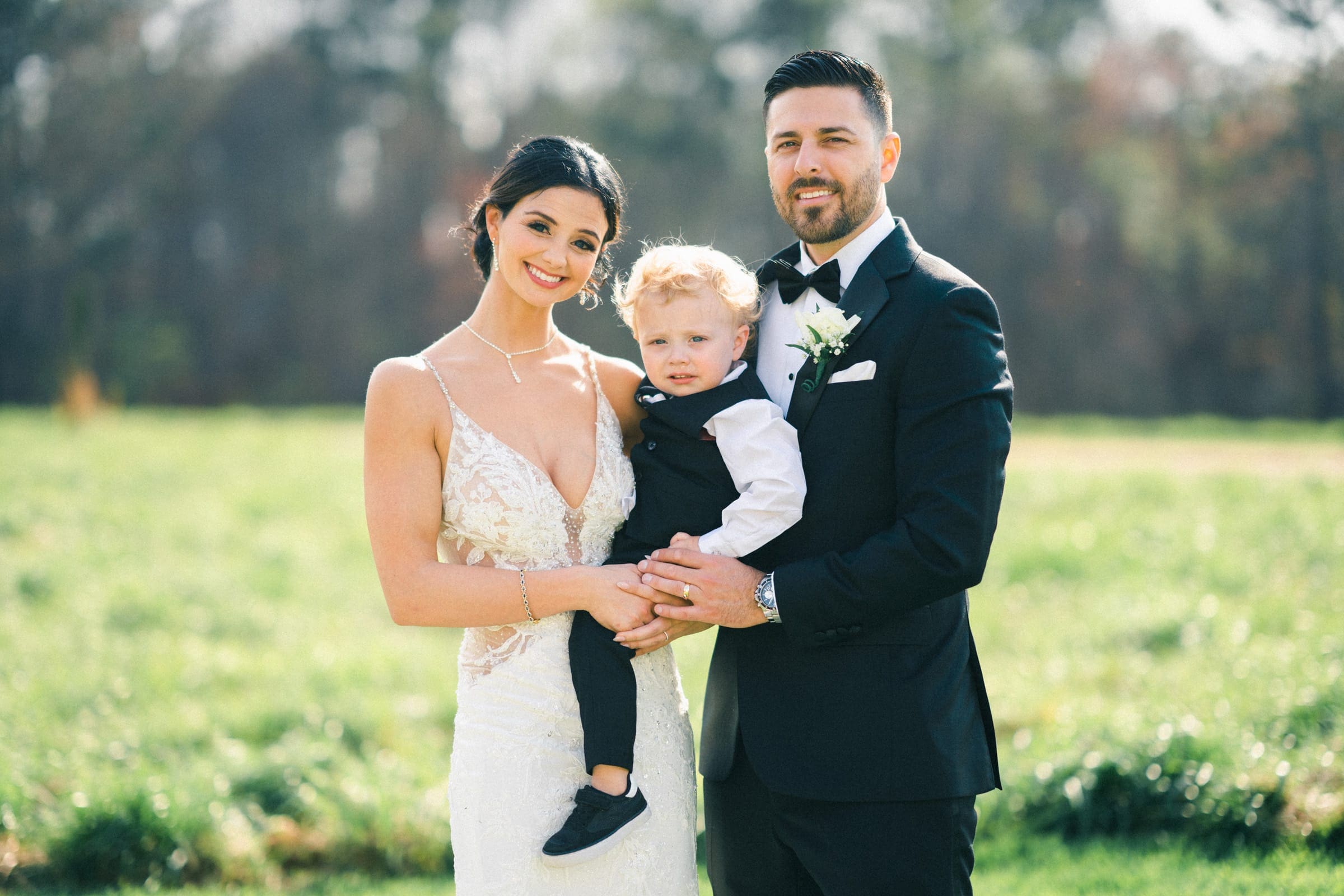
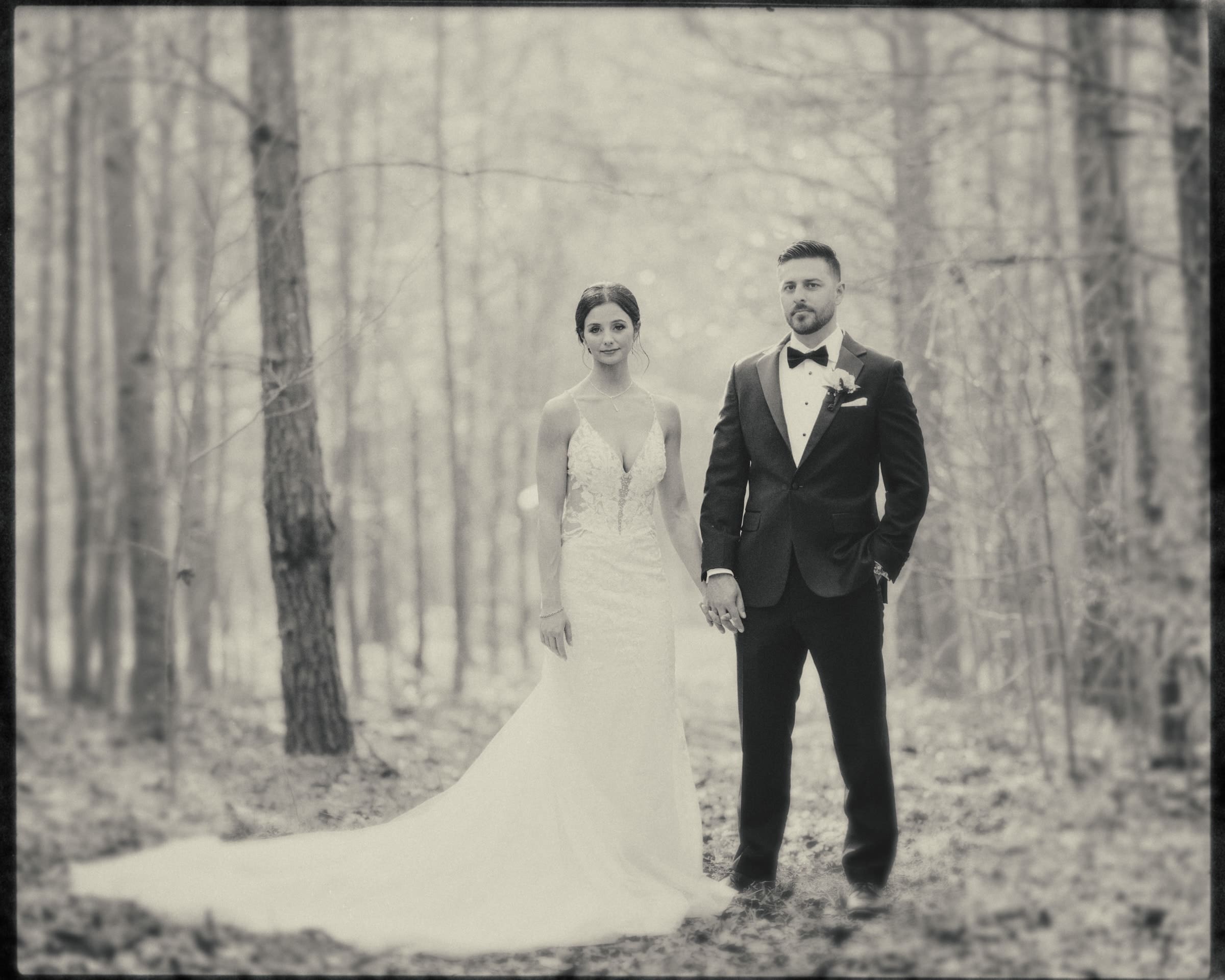
Others want something completely different.
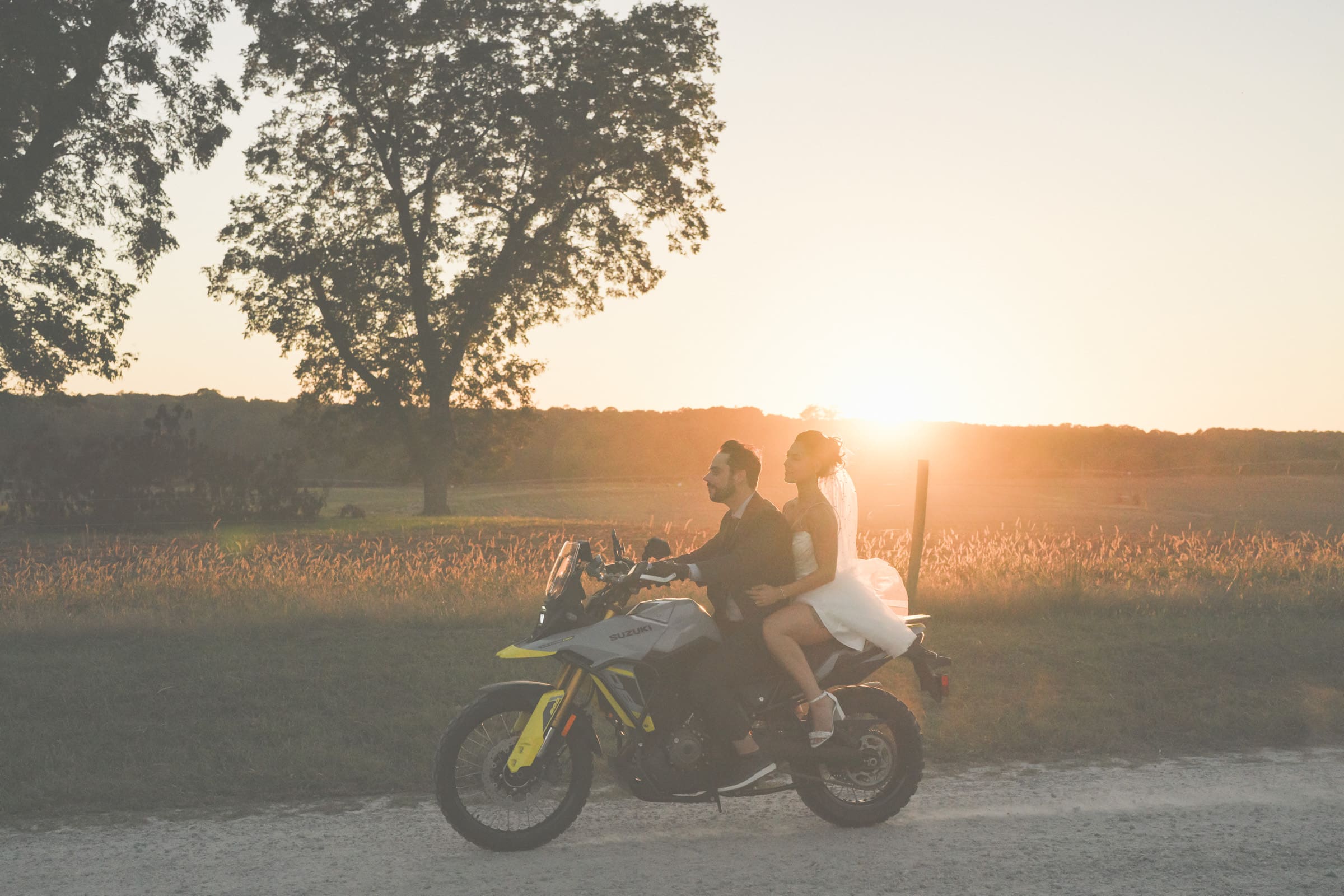
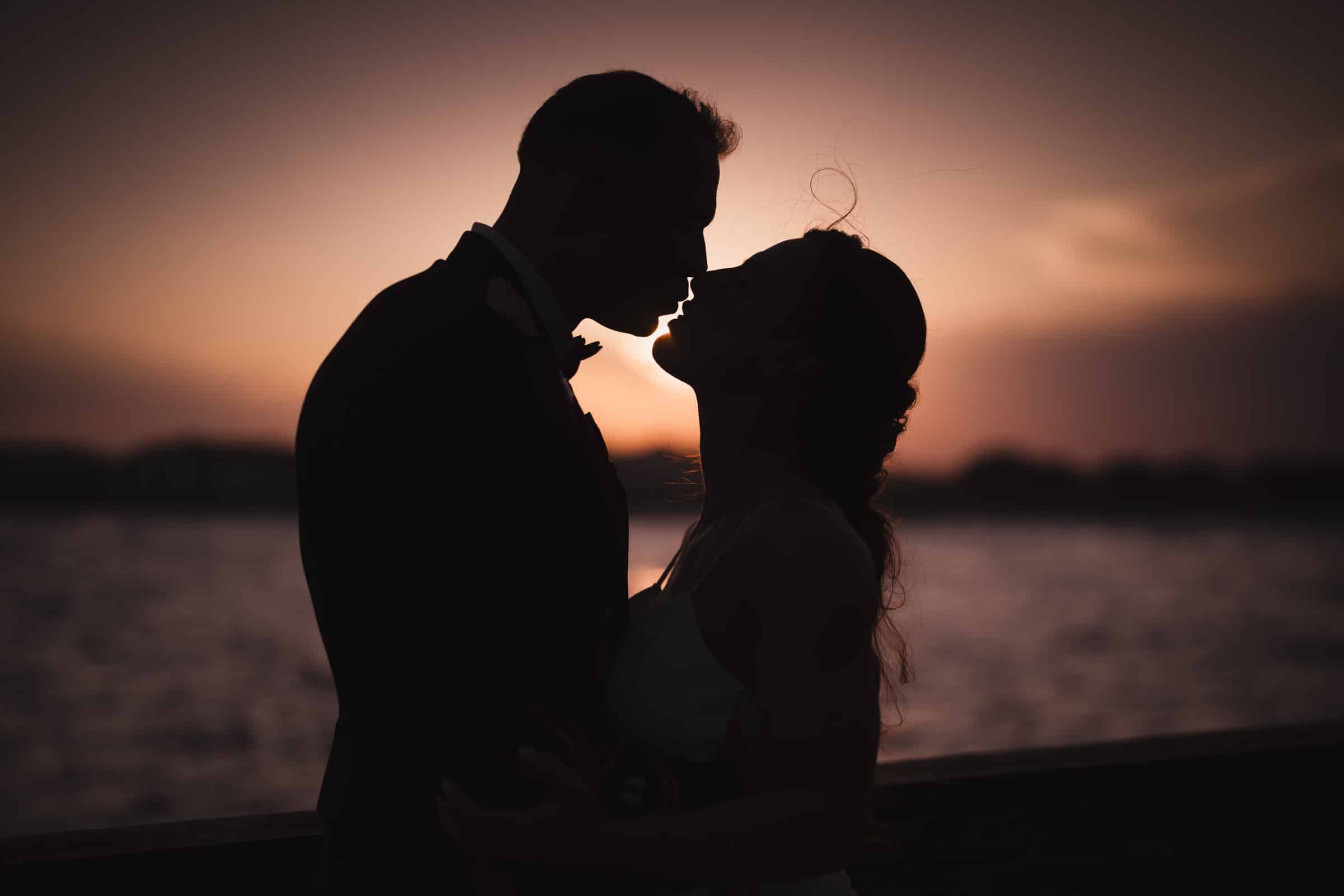
Most want a mixture.
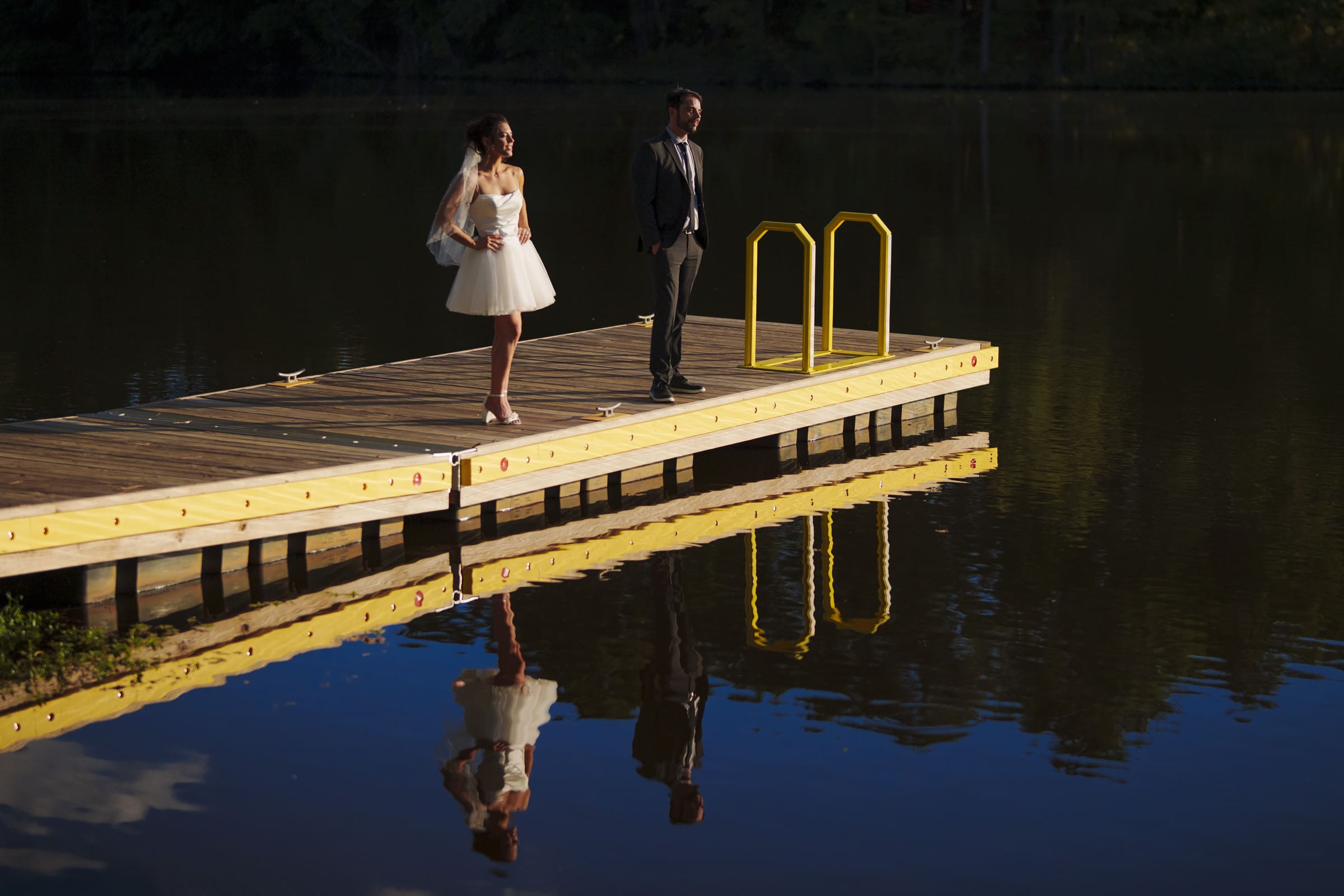
My job is to understand what you want rather than arrive with a predetermined list of photographs I think you should have.
Courthouse Weddings Have Their Own Rhythm
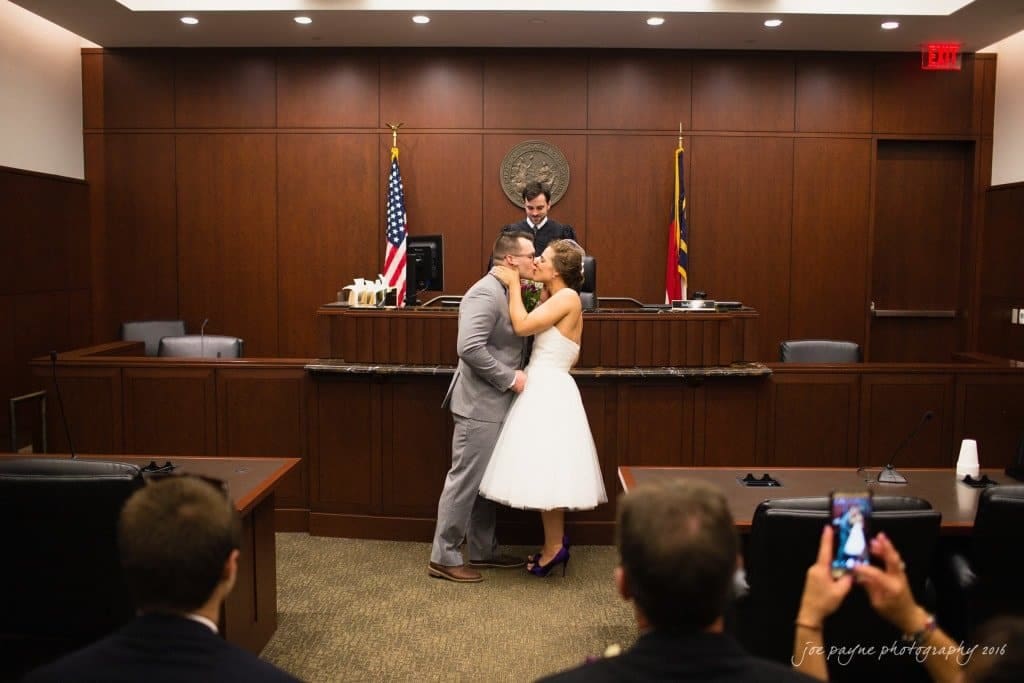
Courthouse ceremonies are generally short and there isn’t always much room to move around.
That’s fine.
During the ceremony, I’m documenting what’s genuinely happening rather than trying to manufacture photographs that aren’t there. That’s a natural extension of the documentary approach I bring to every wedding.
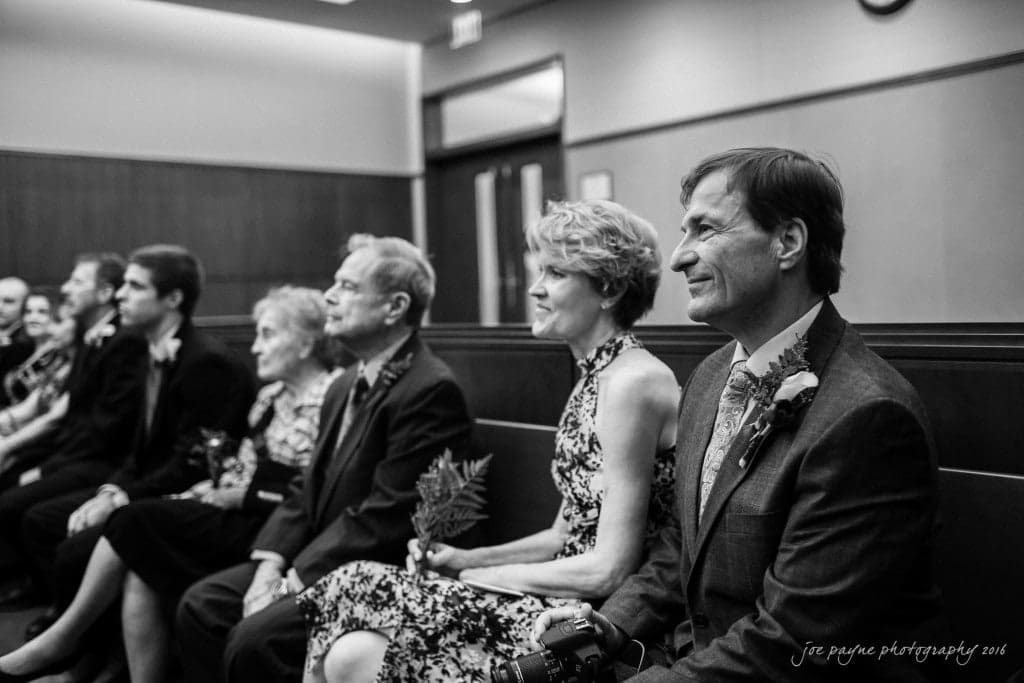
The possibilities usually open up afterwards.
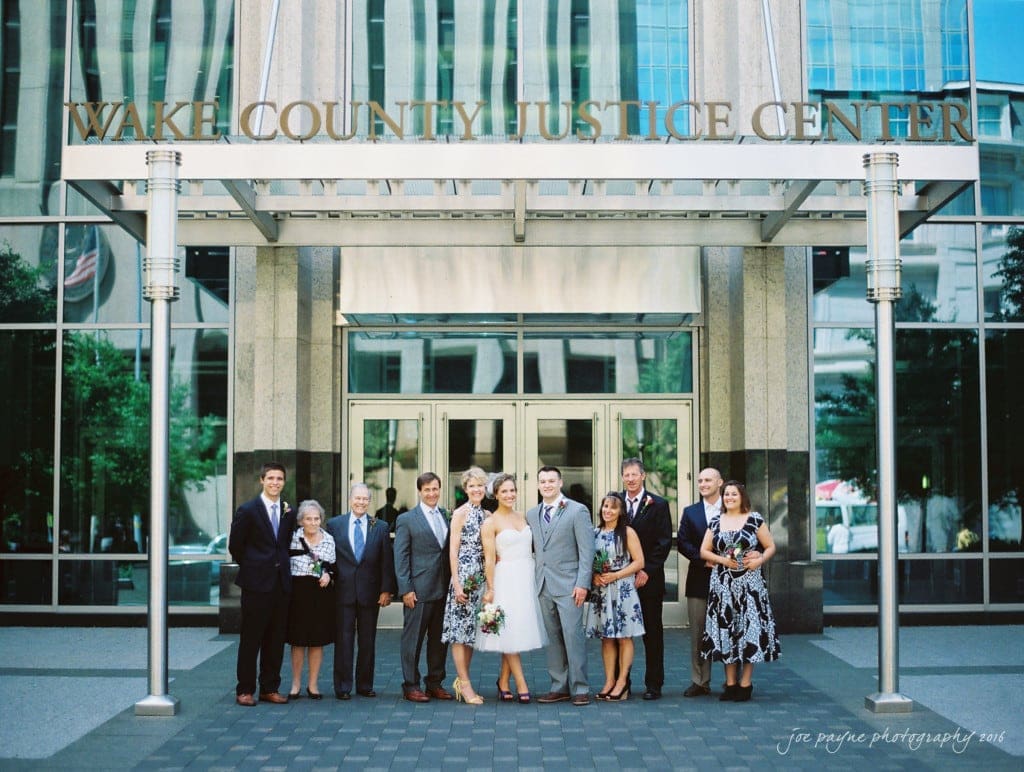
I’ve photographed courthouse weddings in downtown Raleigh & Hillsborough where we’ve gone from the ceremony into portraits around town before the couple continued on to dinner or drinks with family.
The legal bit might take ten minutes.
That doesn’t mean the experience—or the photographs—has to end there.
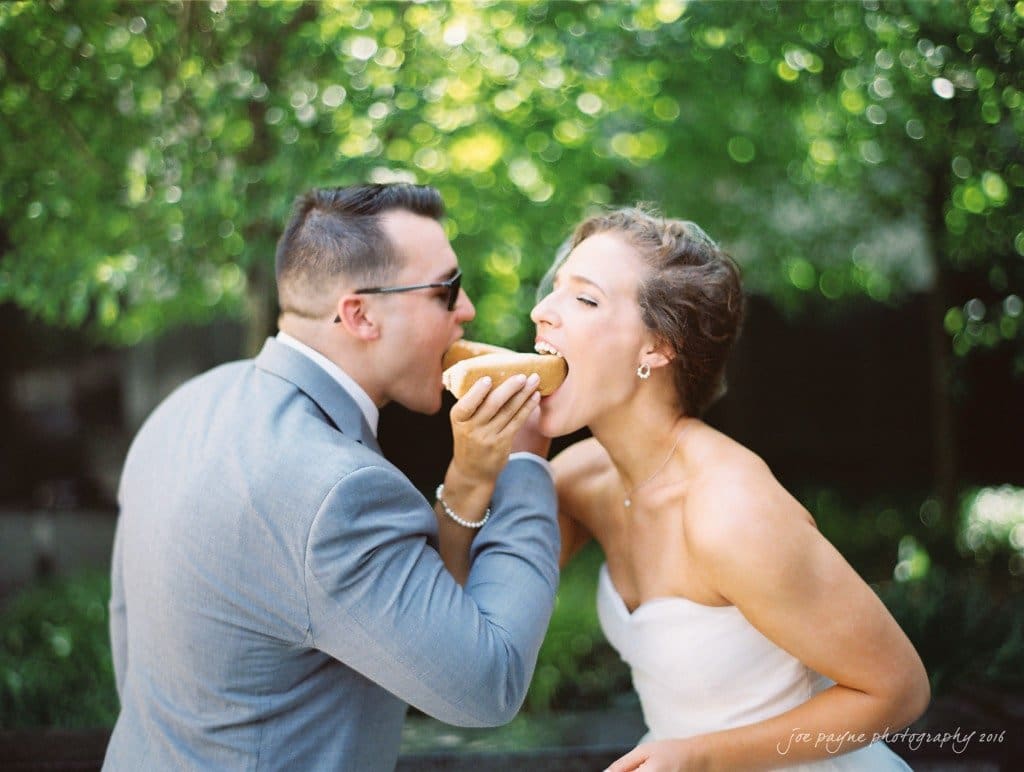
Two or Three Hours May Be All You Need
For many courthouse weddings & intimate celebrations, two or three hours of photography is plenty.
That might include the ceremony, family photographs, portraits together and a little time celebrating afterwards.
But there isn’t an “elopement timeline” I expect everyone to follow.
A mountain wedding may need more time because we’re travelling between locations. A micro wedding at a traditional venue may include preparations, a first look, ceremony, cocktails & dinner.
Rather than starting with a package and trying to squeeze your wedding into it, I prefer to start with a much simpler question:
What do you actually want photographed?
Then we build the coverage around that.
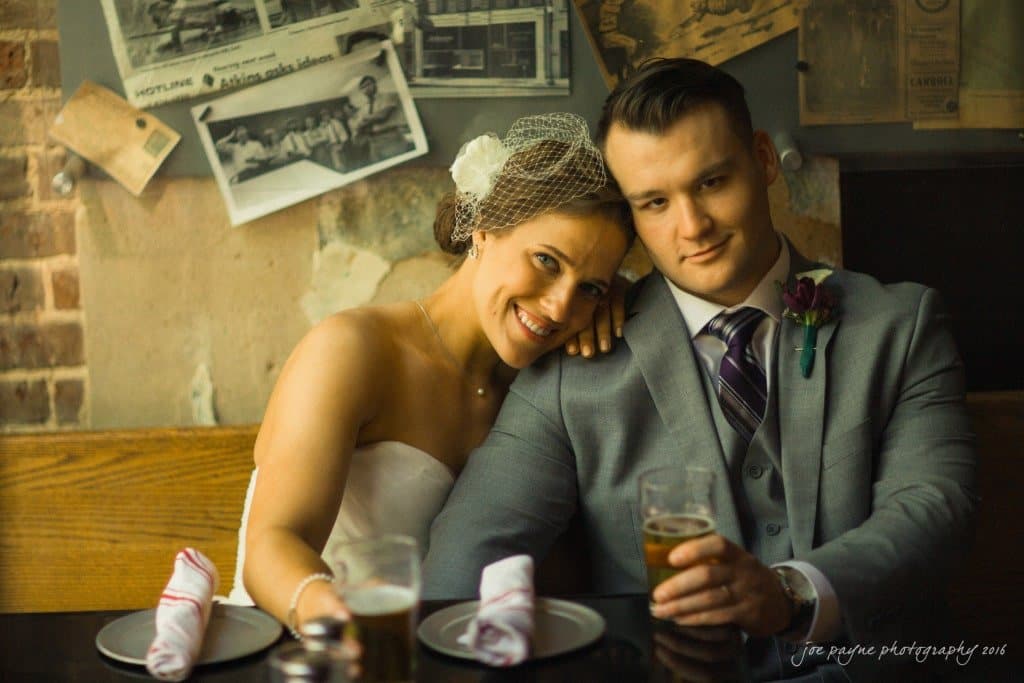
Good Light Helps. Experience Helps More.
If you have flexibility over your ceremony time and portraits are important to you, it’s worth thinking about the light.
Early morning, late afternoon & early evening can be beautiful, particularly during spring and autumn. But real weddings don’t happen in permanently perfect golden light.
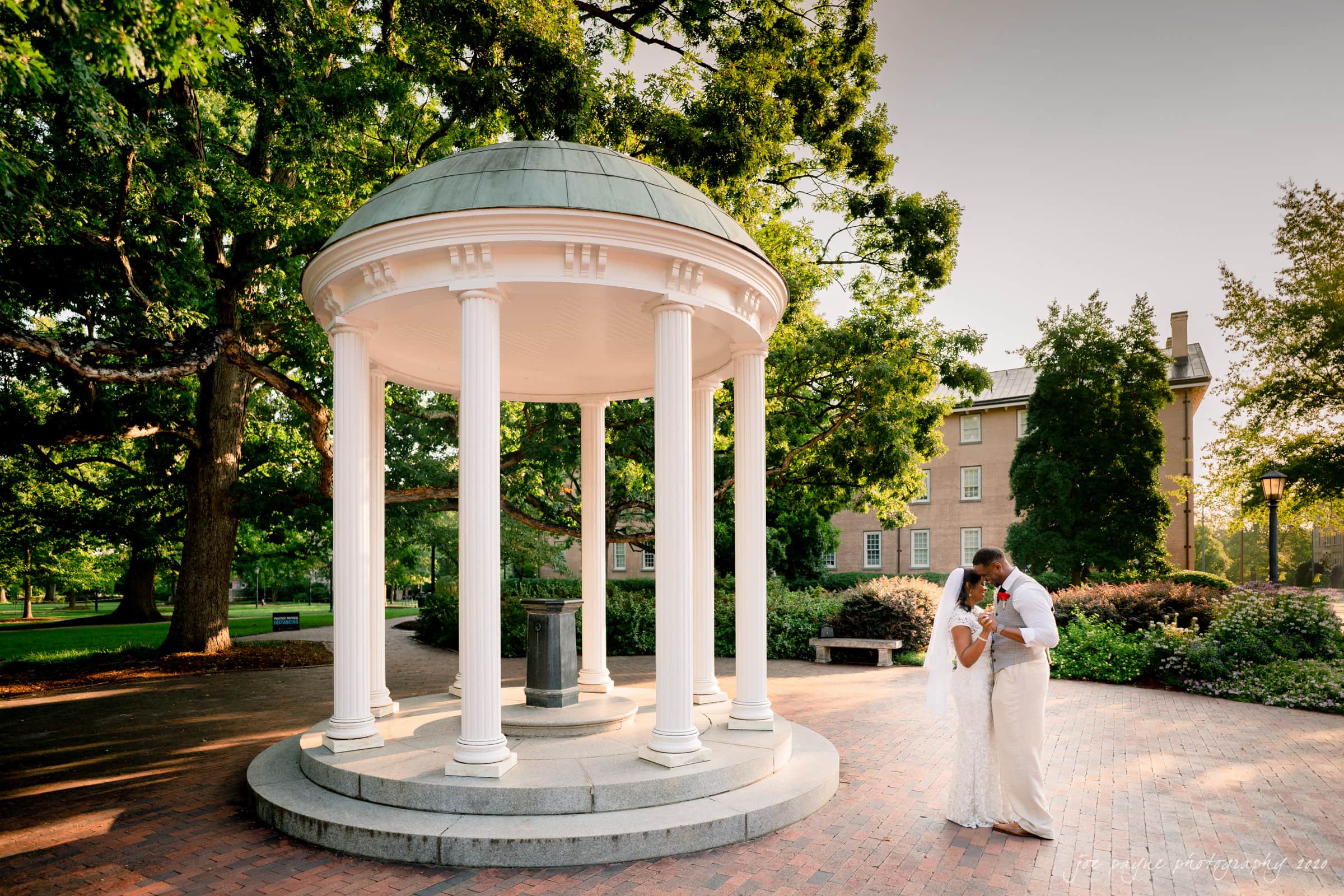
A courthouse appointment might be at noon.
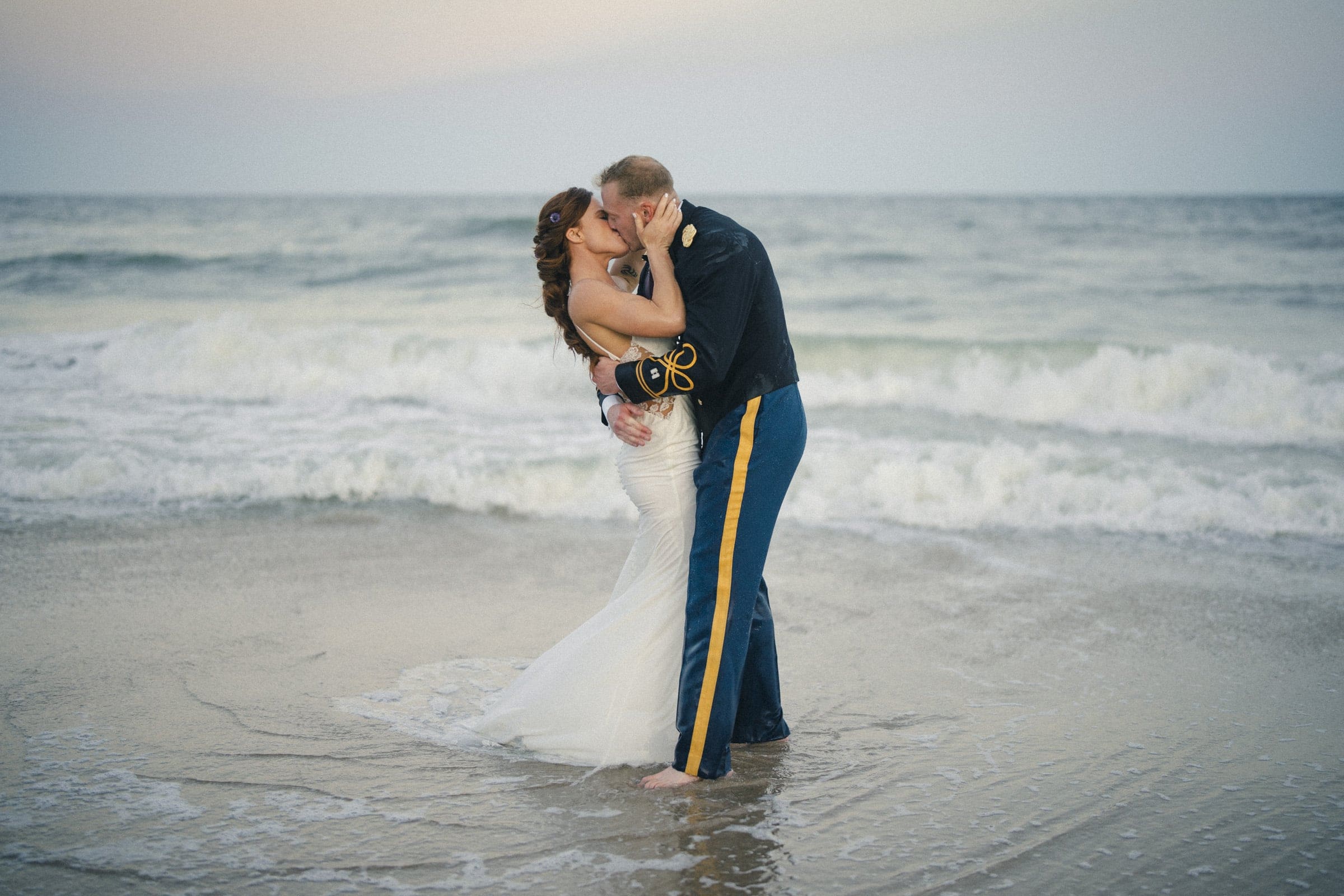
An overcast beach behaves completely differently from an open mountaintop.
And sometimes you arrive on Grandfather Mountain to find the whole place wrapped in mist.
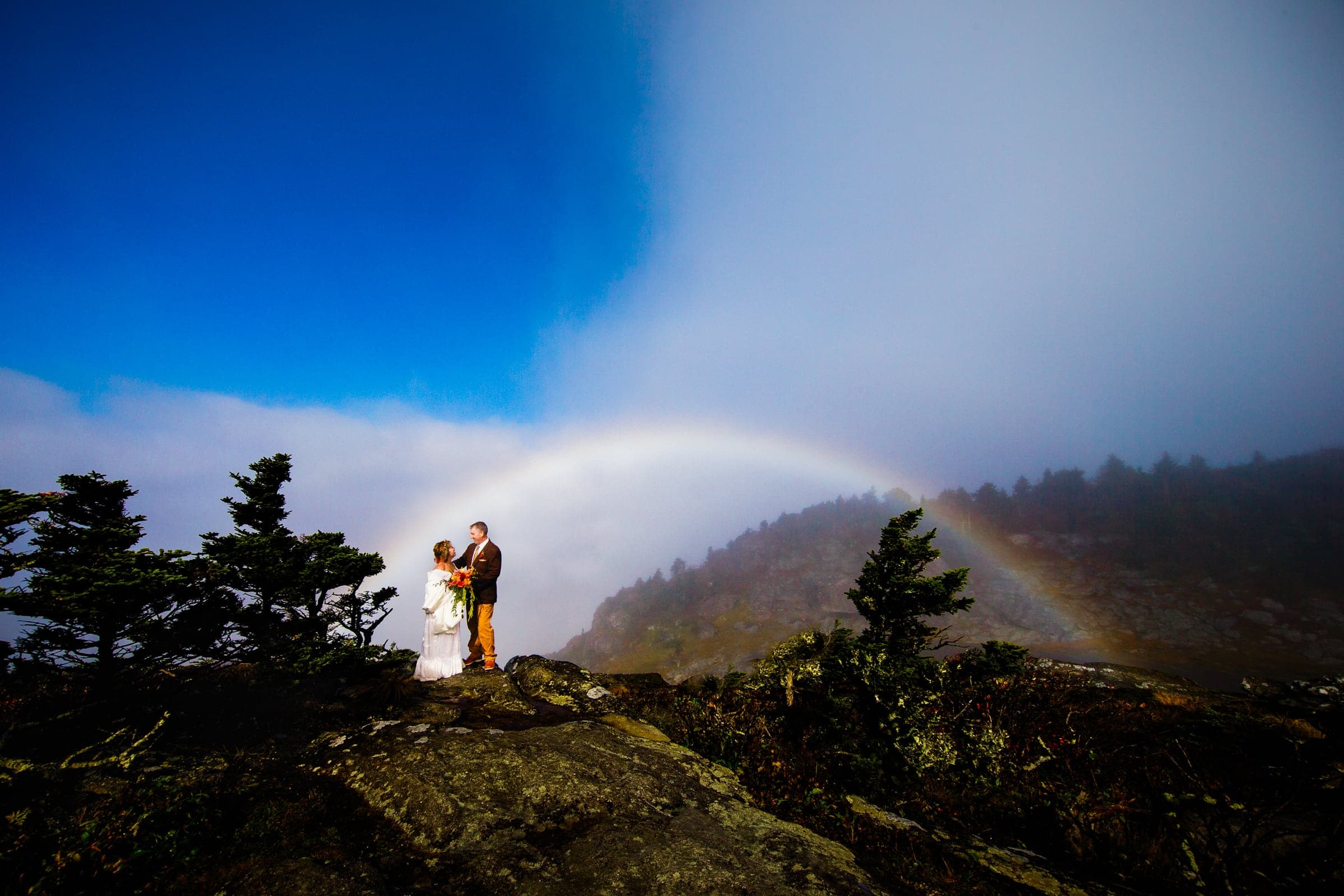
You work with it.
Experience isn’t about requiring perfect conditions. It’s about understanding the conditions you’re given and knowing what to do with them.
Sometimes It’s Worth Doing the Homework
One of my intimate weddings at The Umstead is a good example.
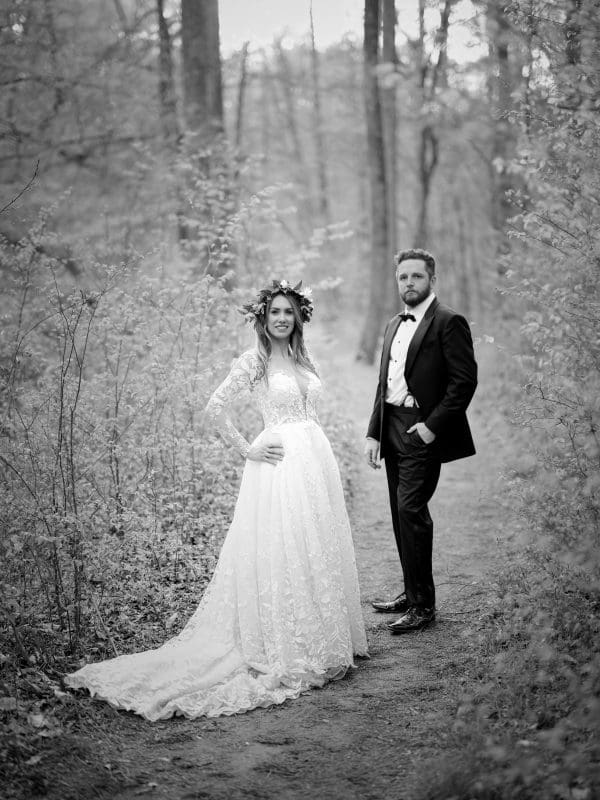
The bride told me she didn’t want typical wedding photographs. She wanted something different and mentioned the possibility of heading into the woods afterwards.
That was essentially the brief.
Before the wedding, I went out to Umstead State Park, scouted locations and worked out where we could go and when the light would work best.
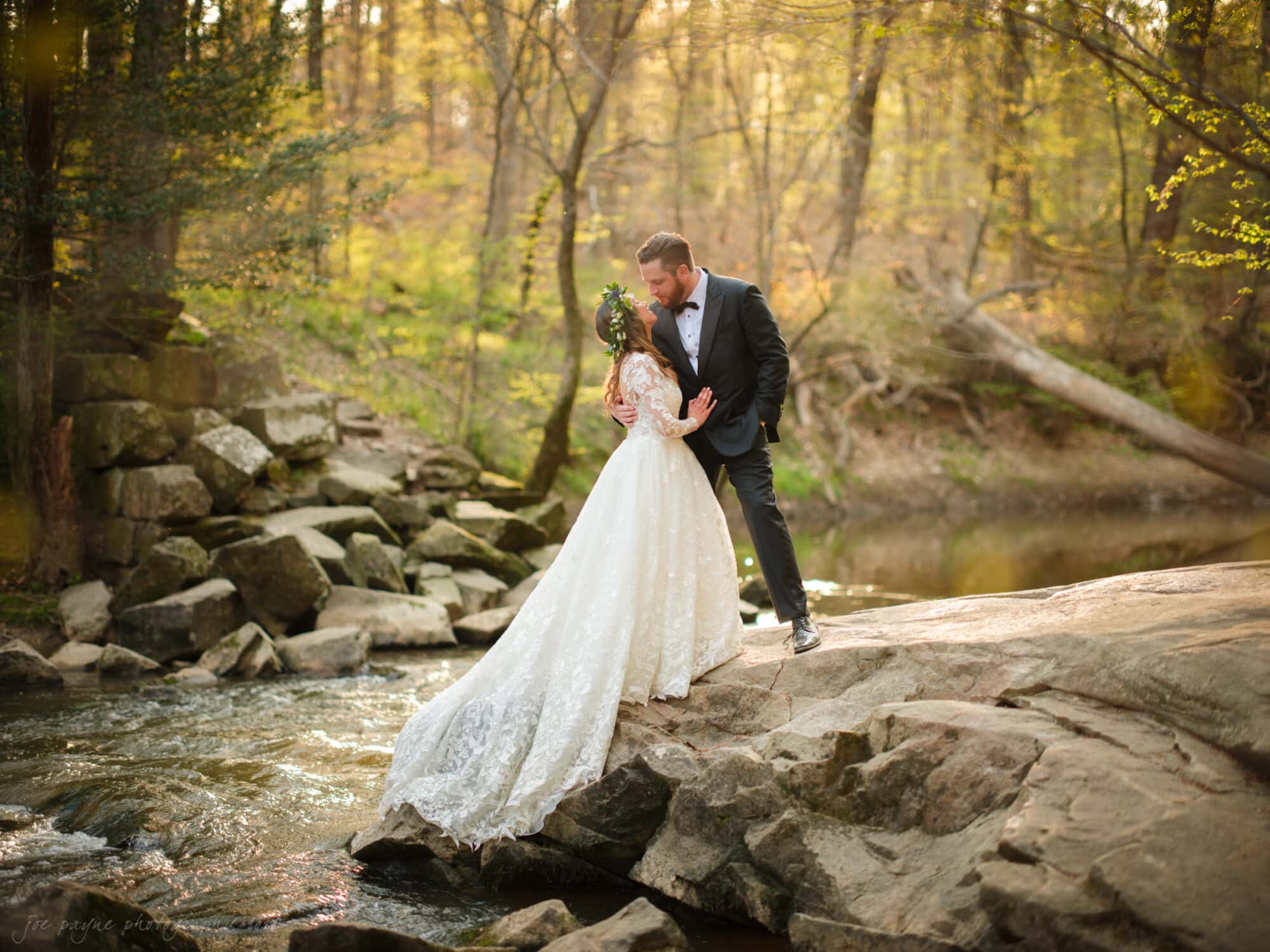
She hadn’t asked me to do that.
It simply made sense.
That’s part of what experience should bring to a wedding. Tell me what’s important to you and, where I can, I’ll help figure out how we make it happen.
Don’t Dismiss the Family Photographs
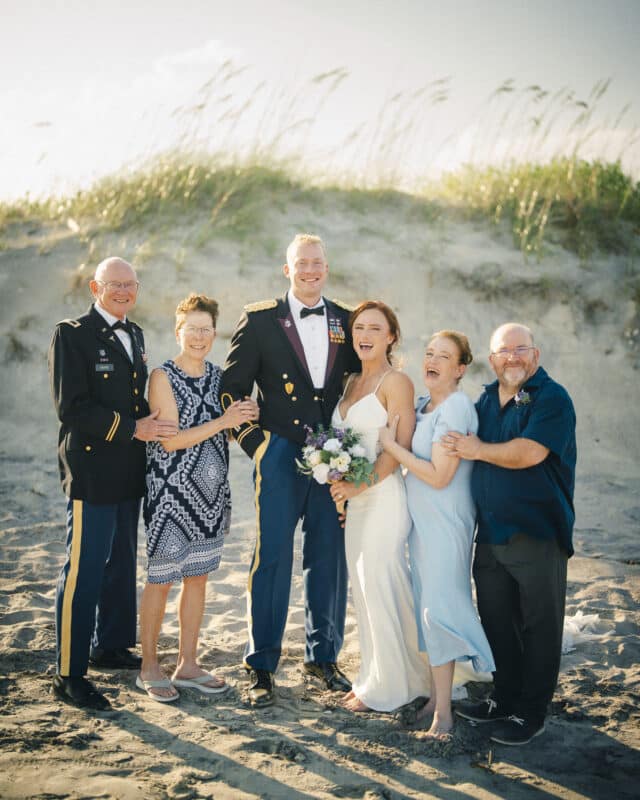
They may not be the photographs that win awards, but family pictures have a habit of becoming more important as the years pass.
At an intimate wedding they’re also usually very straightforward.
With a smaller group, we can organise them quickly, keep things relaxed and get everybody back to enjoying themselves.
The photographs themselves become a record of something deceptively important:
your family, together, exactly as they were on that day.
People change. Families change.
Photographs have a wonderful way of reminding us.
The Real Advantage Is Flexibility
If there’s one thing I’ve learned from photographing smaller weddings, it’s that they leave room.
Room to change the timeline.
Room to follow beautiful light.
Room to spend twenty minutes making portraits if you’re enjoying yourselves—or five if you’d rather get back to your family.
Room for cultural traditions.
Room for meaningful details.
Room to do something simply because you want to.
That’s what I enjoy about photographing them.
I’m not arriving with a fixed idea of what an elopement or micro wedding is supposed to look like. I want to understand the day you’ve chosen to create and photograph it for what it actually is.
Because whether there are two people there or two hundred, that’s always where the interesting stuff is.

Planning Something Smaller?
Whether you’re planning a courthouse ceremony, an intimate wedding with your closest family & friends or something that doesn’t fit neatly into either category, I’d love to hear what you have in mind.
Intimate wedding & elopement coverage begins at two hours and can be built around what you actually need.