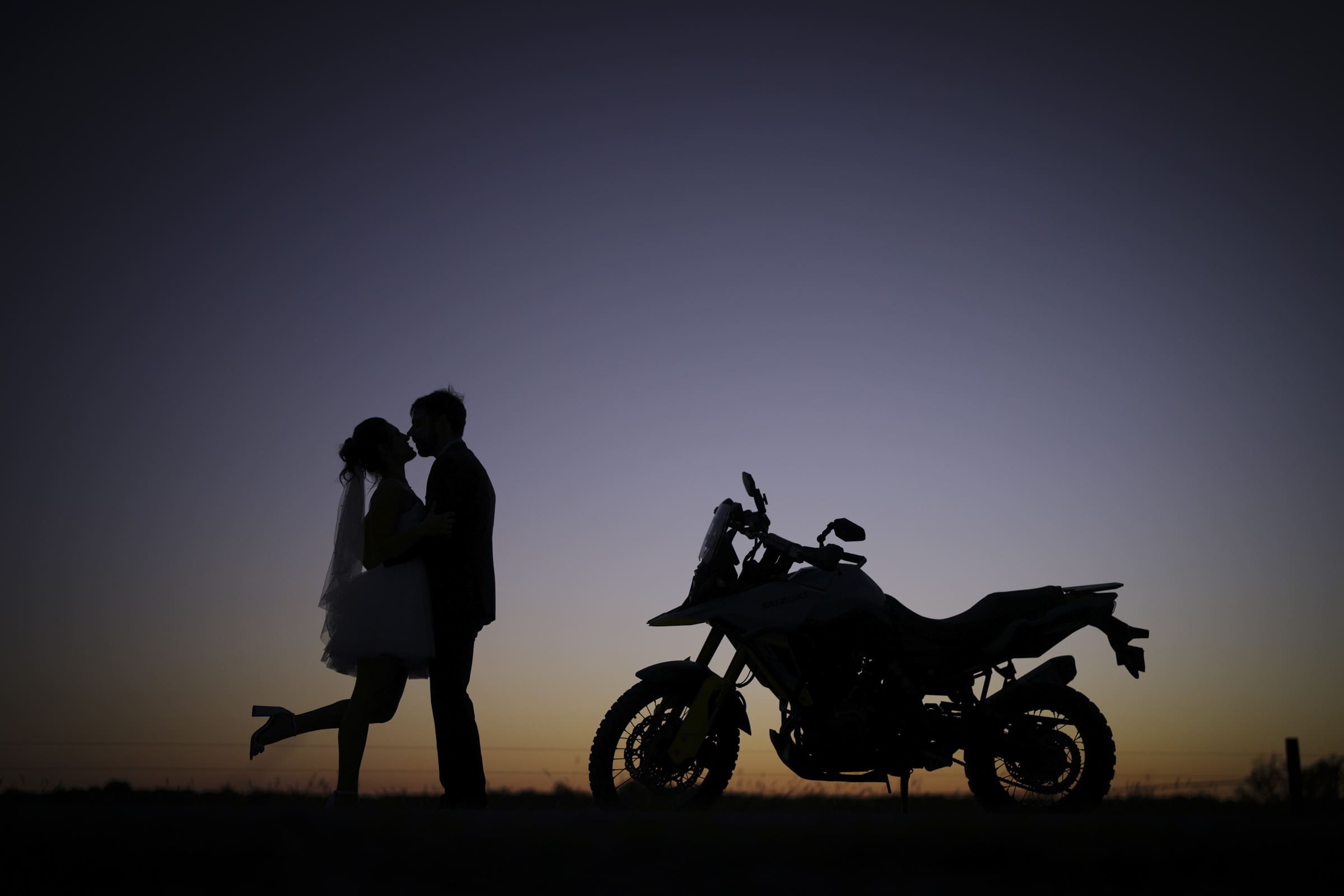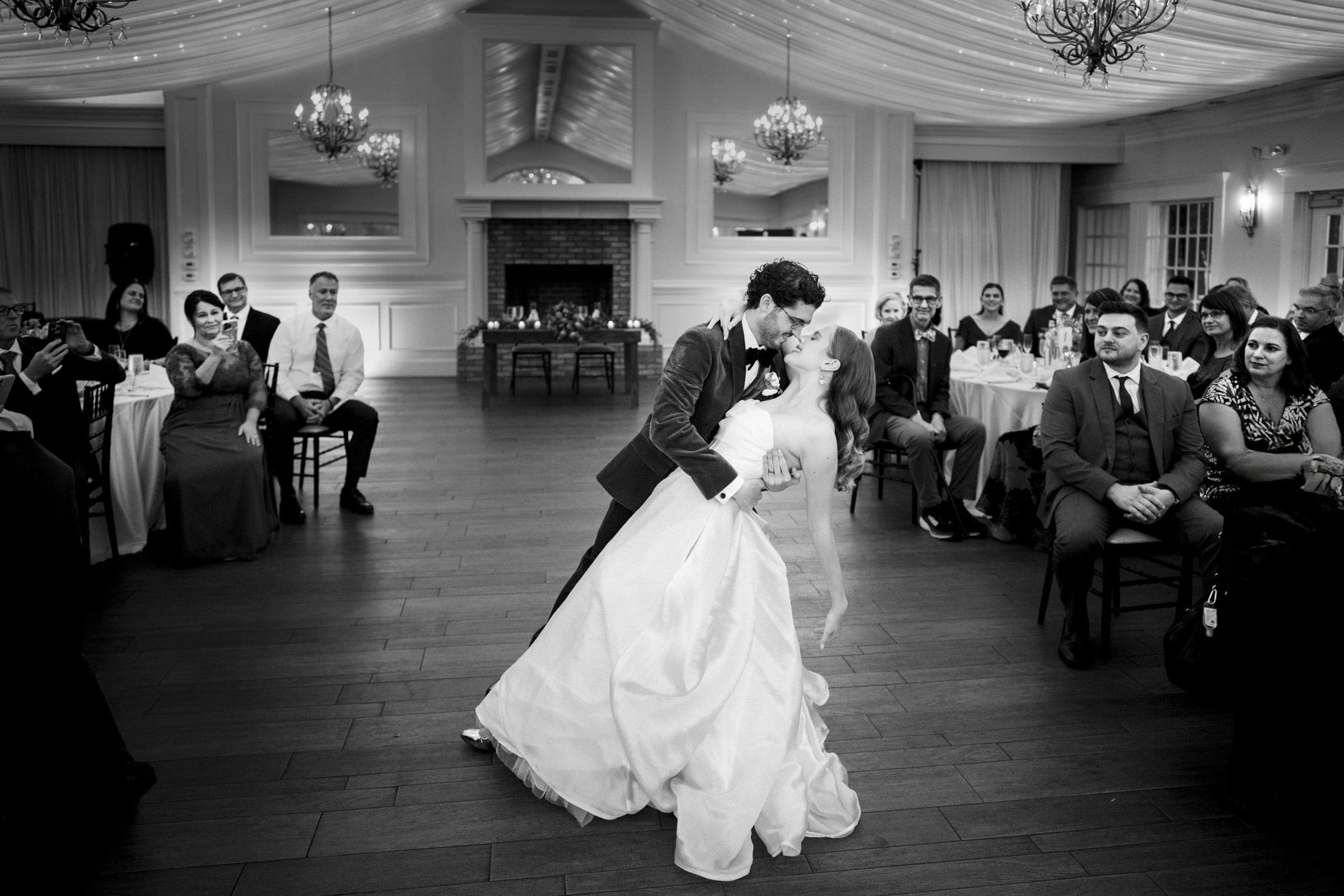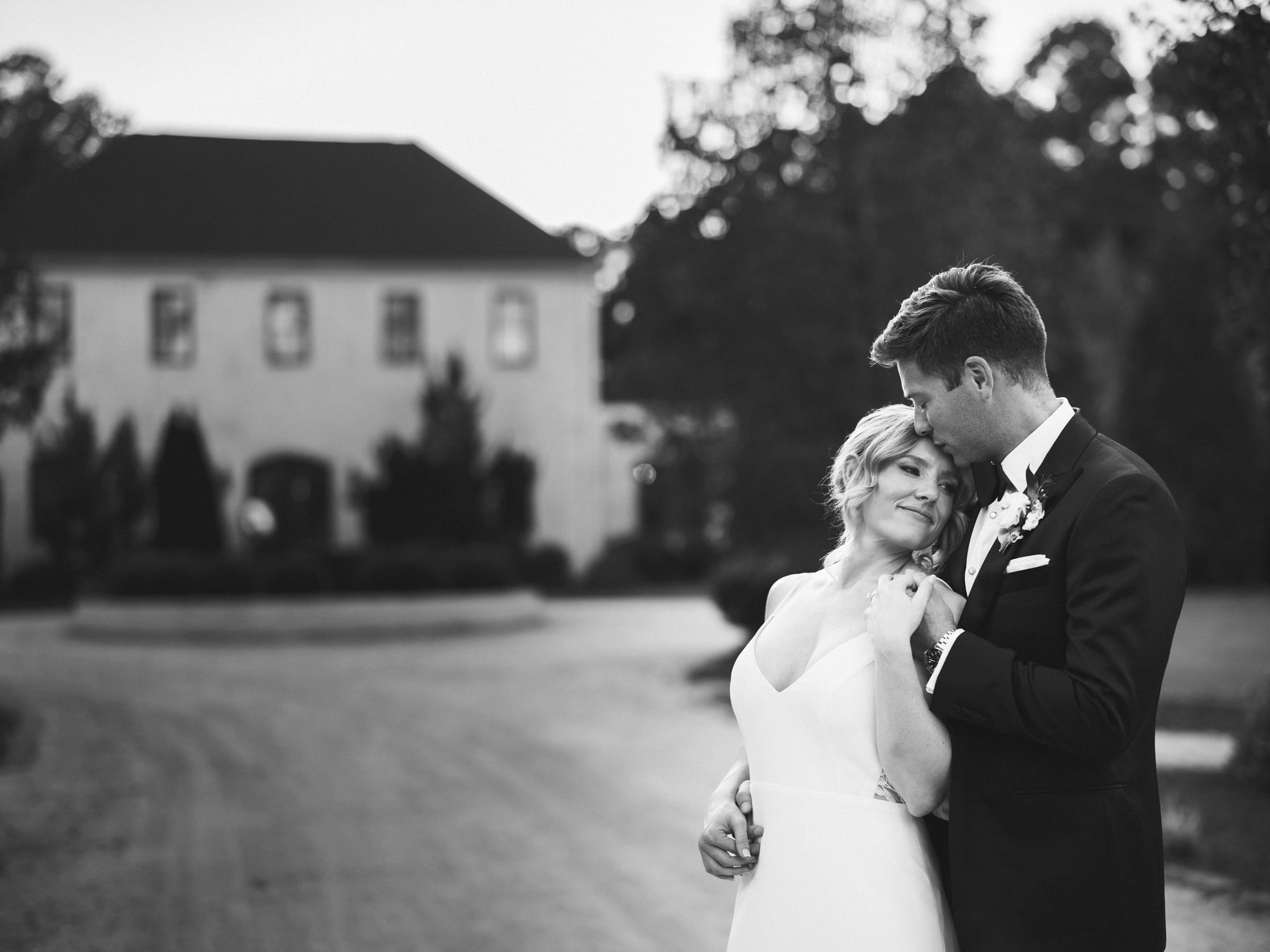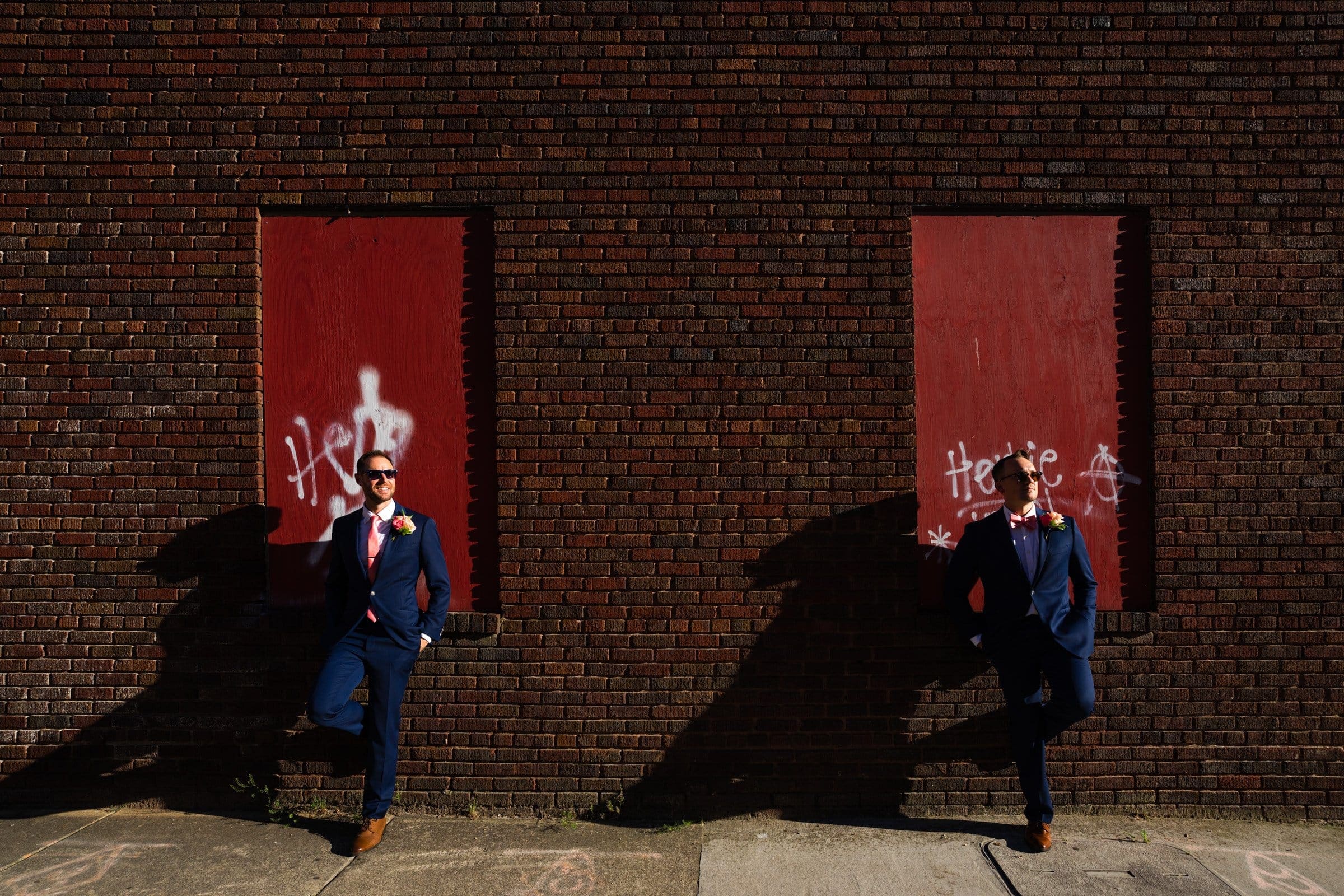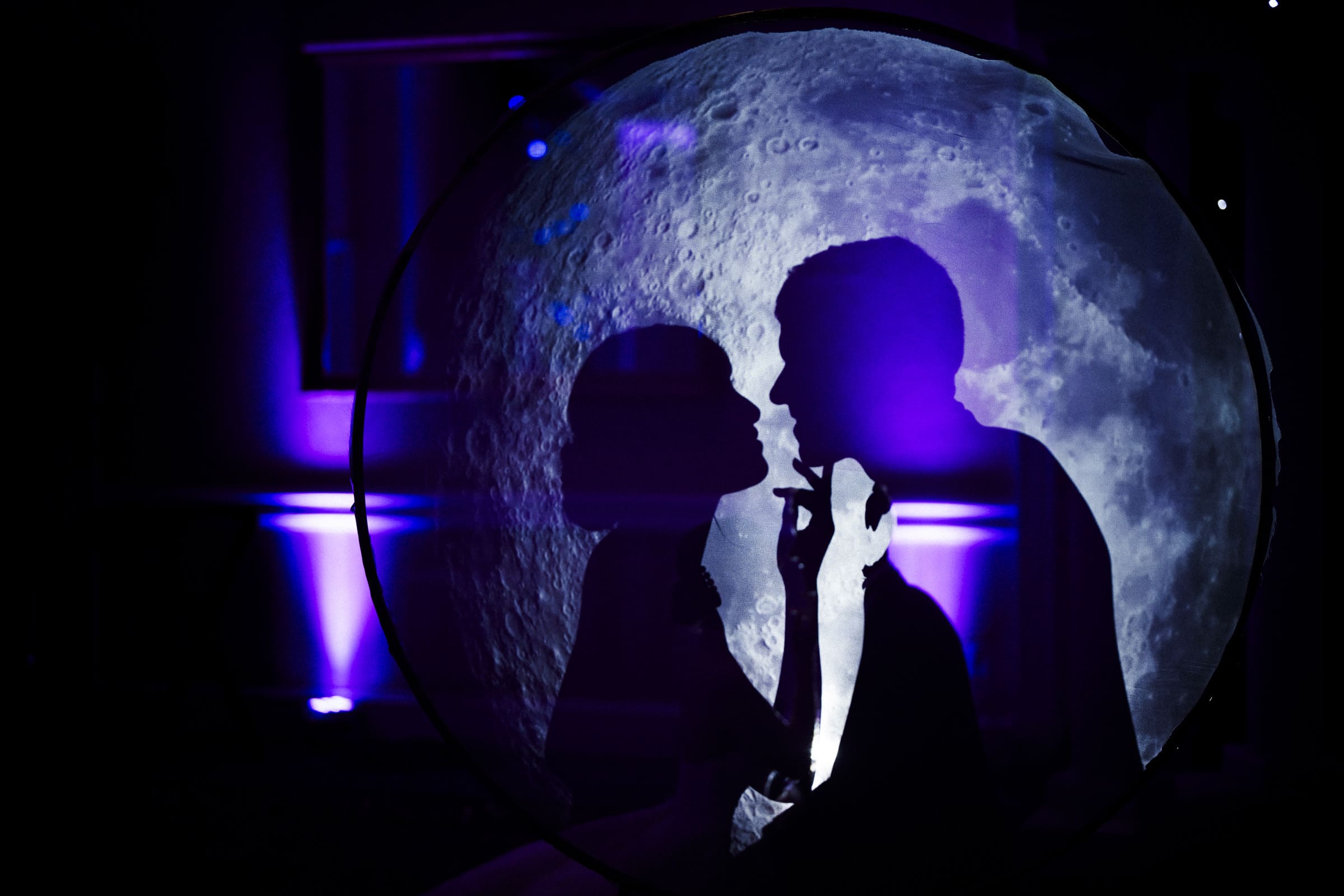
One of the first questions couples ask me is how many hours of wedding photography they actually need.
Six? Eight? Ten? All day? Until someone loses a shoe on the dance floor?
The honest answer is that there is no magic number. After photographing more than 300 weddings, I can safely say no two wedding days run exactly the same. The right amount of coverage depends on what is happening, where it is happening and—most importantly—which parts of the day matter most to you.
Rather than trying to squeeze your wedding into a predetermined photography package, I prefer to work out what you want photographed and build the coverage around that.
Start With the End of the Wedding and Work Backwards
When I first speak with a couple, I normally ask roughly when they would like photography to begin and when their reception is due to end.
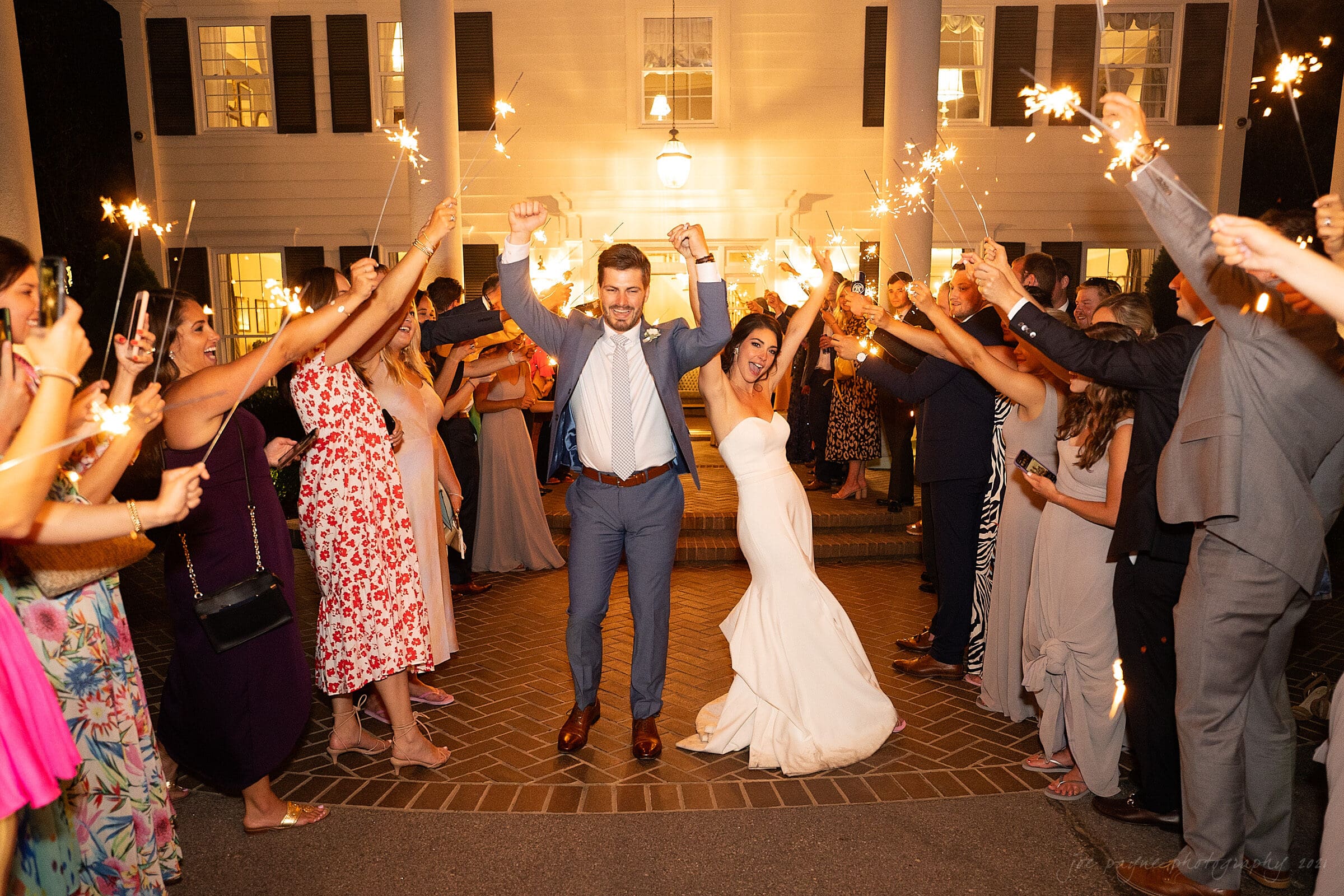
If there is a sparkler exit, fireworks or another ending they definitely want professionally photographed, that gives us a fixed finish time. We can then work backwards from there.
From the other direction, I need to know:
- What time is the ceremony?
- Are you having a first look?
- Do you want family and wedding-party photographs before or after the ceremony?
- How much time would you like for portraits together?
- How important is the getting-ready part of the day?
- Do you want a few photographs of the dress, shoes, jewellery and stationery, or something more elaborate?
- Are everything and everyone at one venue, or will travel be involved?
These are the sorts of things we discuss during my initial Zoom consultation. It is less about selling you a particular number of hours and more about understanding how the day is supposed to unfold.
Real weddings do not behave like neat little sample timelines on the internet, so I would rather base the recommendation on your actual plans.
What Can Six Hours of Wedding Photography Cover?
Six hours can work perfectly well for a smaller or more streamlined wedding, especially when everything takes place at one venue.
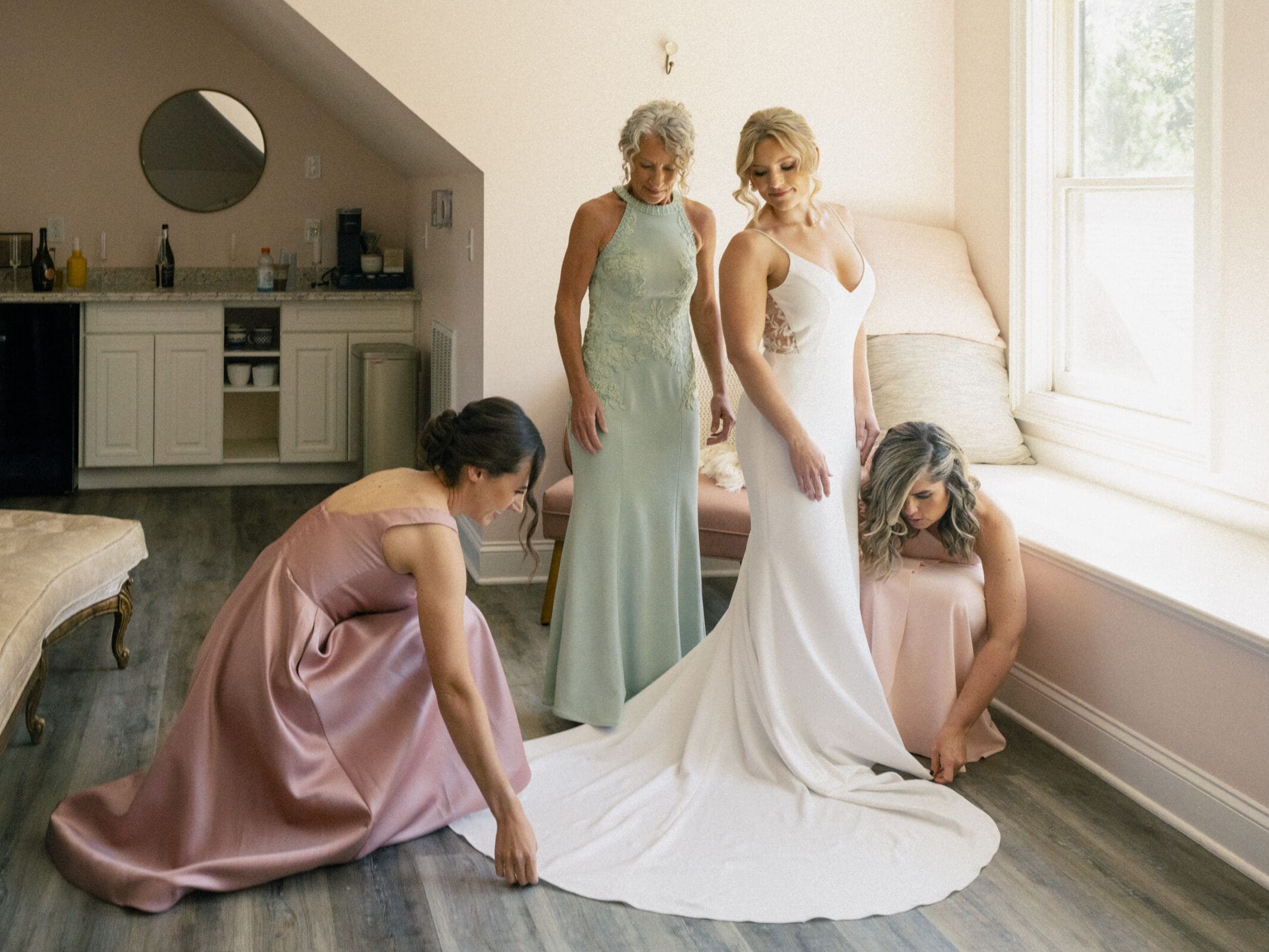
I may arrive as the bride is finishing hair and makeup and getting into her dress, then photograph the ceremony, family groups, wedding-party photographs and portraits of the couple. From there, coverage can continue into the reception for the entrances, first dance, parent dances, speeches and the beginning of the open dance floor.
That is a pretty complete version of the essential story.

The compromise is that there may not be much time for an extended getting-ready story, elaborate detail photographs or several hours of dancing. A first look can fit into six hours, but the schedule needs to be efficient and something else may have to be kept brief.

Location also matters enormously. Six hours at one venue is very different from six hours involving a salon, hotel, church and reception venue. Time spent travelling is still part of the coverage, even if nobody is doing anything particularly photogenic in the car.
You also need to allow time for the couple to hide away before the ceremony. I generally want everyone finished with portraits and out of sight around 30 minutes before it begins, because guests will arrive early and you do not want to spend that time bumping into them outside.
For an intimate wedding with limited travel and no need to photograph the very end of the party, six hours can be absolutely fine.
Why Eight Hours Is Usually My Recommendation
For most traditional wedding days, eight hours is the minimum I normally recommend. It is also currently my most popular amount of coverage.
The extra two hours do more than produce two additional hours’ worth of photographs. They allow the day to breathe.
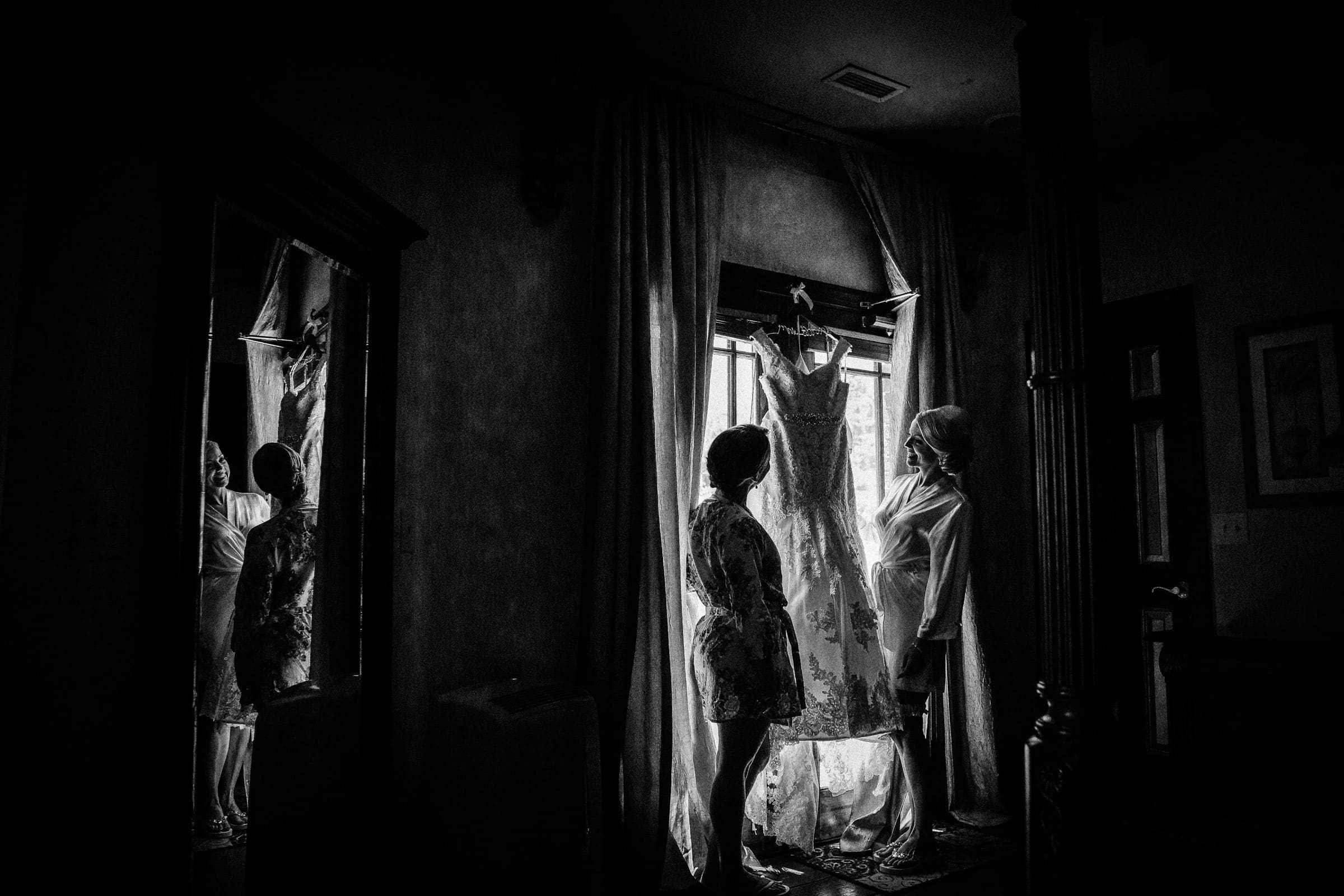
That matters particularly with my documentary approach to wedding photography. If I am there simply to photograph a list of scheduled events, I can work very quickly. But the real story is often found in everything happening around those events: the anticipation, the nerves, the bridesmaids helping one another, the music playing and the conversations that nobody planned.
Some getting-ready rooms are very calm and almost zen-like. Others resemble backstage at a Mötley Crüe concert, with TikToks, music, drinks and general chaos breaking out in every direction.

Both can make brilliant photographs, but I need to be there long enough to see the atmosphere develop rather than arriving, photographing the dress going on and immediately heading for the ceremony.
Eight hours also provides more time for dress, shoe, jewellery and stationery photographs, a first look, portraits and meaningful reception coverage without every part of the day feeling compressed.
Does a First Look Mean You Need More Coverage?
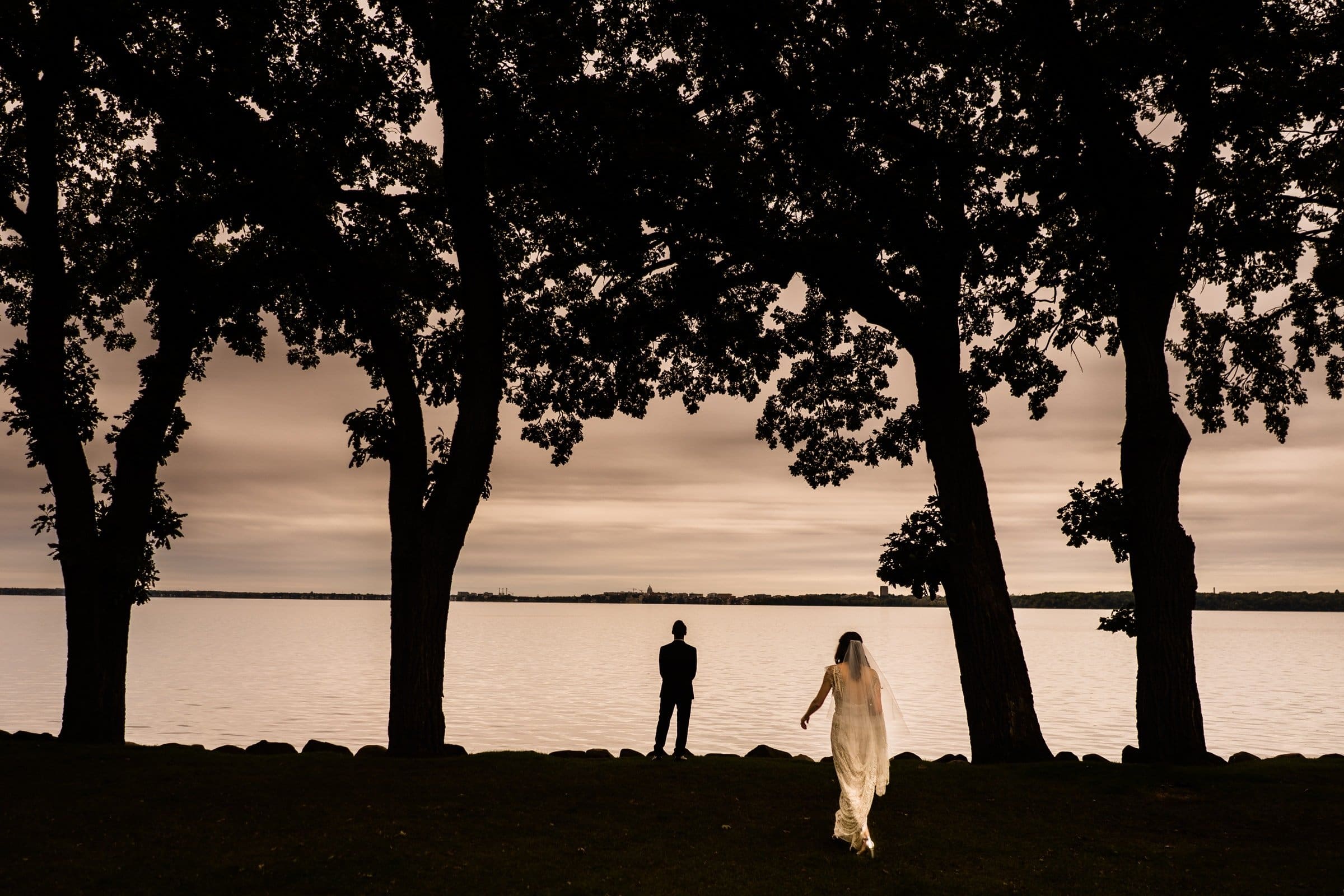
Usually, yes—although it can also make the rest of the day much easier.
A first look and some relaxed portraits together will generally add around 45 minutes to an hour before the ceremony. If we also photograph the wedding party and family beforehand, the photography may need to begin earlier still.
The benefit is that much of the formal photography is already finished when the ceremony ends. Instead of spending the entire cocktail hour working through family groups and portraits, you can actually attend it and spend time with the friends and relatives who travelled to celebrate with you.

That is not a small thing. At my own wedding, I had a fantastic day but very little time with many of the people who had travelled a long way to be there. In hindsight, being able to join them during cocktail hour would have been lovely.
A first look can also calm the nerves. Rather than spending most of the day apart and seeing each other for the first time in front of everyone, you get a few private minutes together before everything begins.
I have written more about the advantages and disadvantages of having a first look, but from a coverage standpoint, it generally makes eight hours more practical than six.
When Is Ten Hours of Wedding Photography Worthwhile?
Ten hours makes sense when you want a fuller getting-ready story, more time for portraits, more extensive reception coverage or simply greater flexibility if the weather or timeline changes.
One wedding that comes to mind took place at Brown Mountain Beach Resort, where the couple had much of the resort occupied by their friends and family.

There was plenty happening before the ceremony. The bride was getting ready with her wedding party, while my second photographer documented the groom and groomsmen in their chalet attempting to work out how to tie their bow ties. That sort of unscripted material is exactly what makes the finished story personal.
After the first look, we began taking portraits and then the rain arrived. Because we had time, it was not a disaster. We moved into one of the riverside cottages and used the natural light there for portraits while the weather passed.
When the rain cleared, the light was beautiful—as it so often is after a storm—and we still had time for family photographs, the wedding party and more portraits by the river. Later there was an outdoor reception, dancing and fire spinners on the beach.
Ten hours did not simply give the couple more photographs. It gave us options. We could adapt to the rain, use different locations, take breaks and make a wider variety of portraits without the wedding turning into one long photo shoot.
If photography is especially important to you and you enjoy the portrait side of it, ten hours gives us room to create more without sacrificing the experience of the day itself.
What About All-Day or Unlimited Wedding Photography?
Some weddings simply do not fit within ten hours.
Indian weddings and other cultural celebrations may begin at 5 a.m. or earlier, pause during part of the day and continue until midnight. Other couples may have a wedding-day brunch, several ceremonies, multiple outfit changes or events happening throughout the entire day.
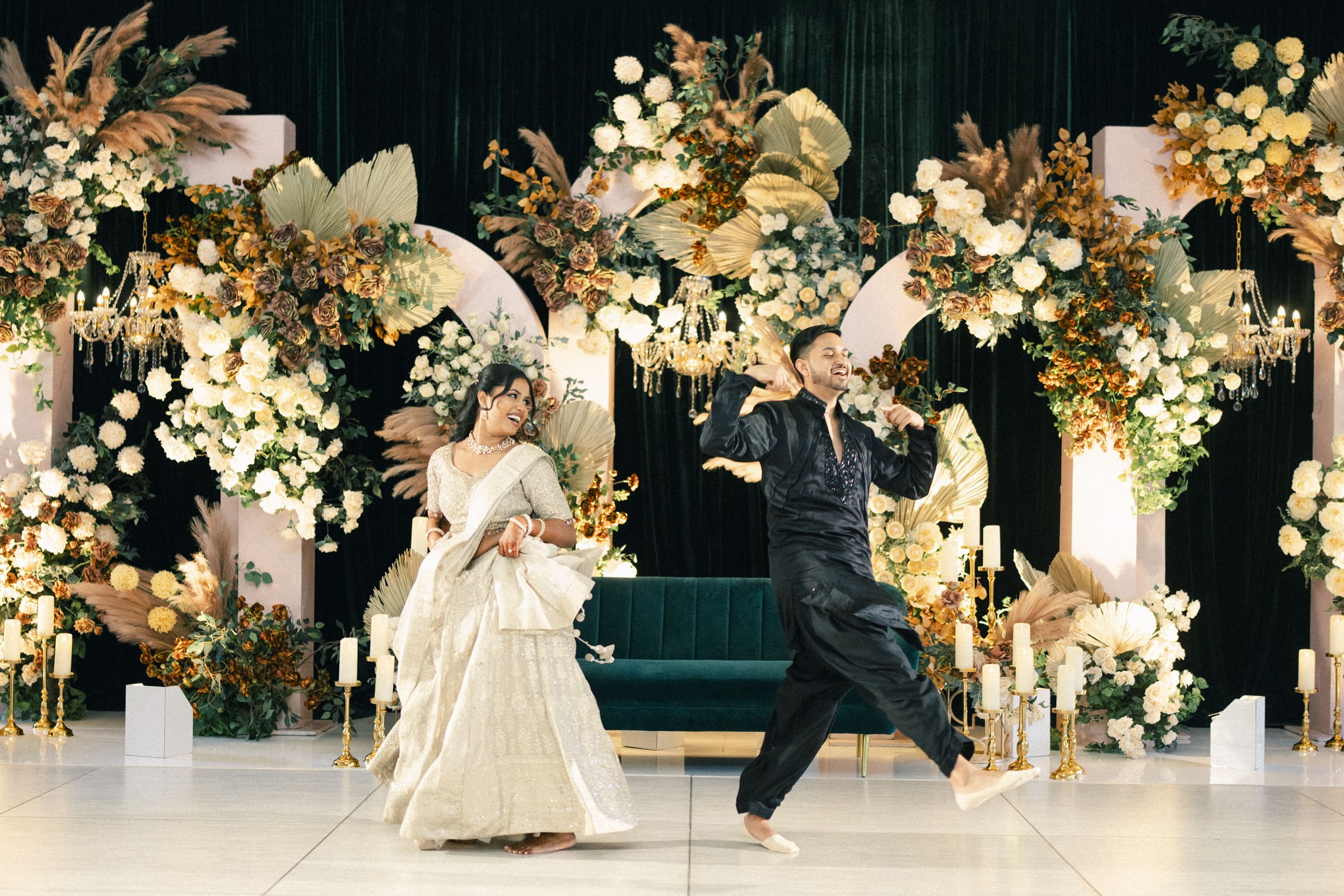
For those weddings, I offer bespoke packages and an unlimited-coverage option. My standard collections can also be extended to unlimited wedding-day coverage for an additional $1,000.
Six, eight and ten hours cover most Western wedding timelines. Unlimited coverage is there for celebrations where trying to force everything into a conventional package would make no sense whatsoever.
Where Does the Time Usually Disappear?
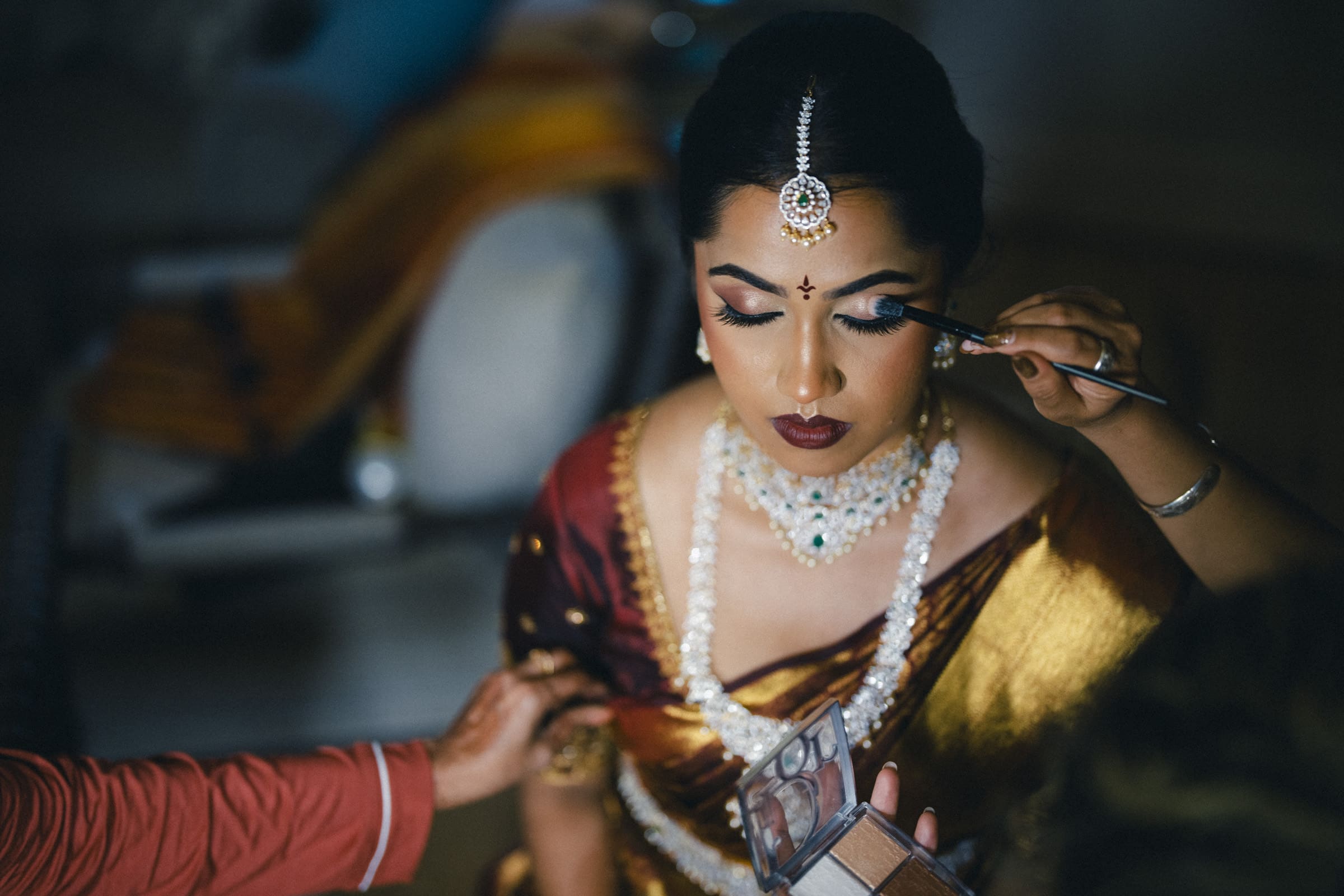
If a wedding falls behind it’s almost always in the getting ready period at the very start of the day.
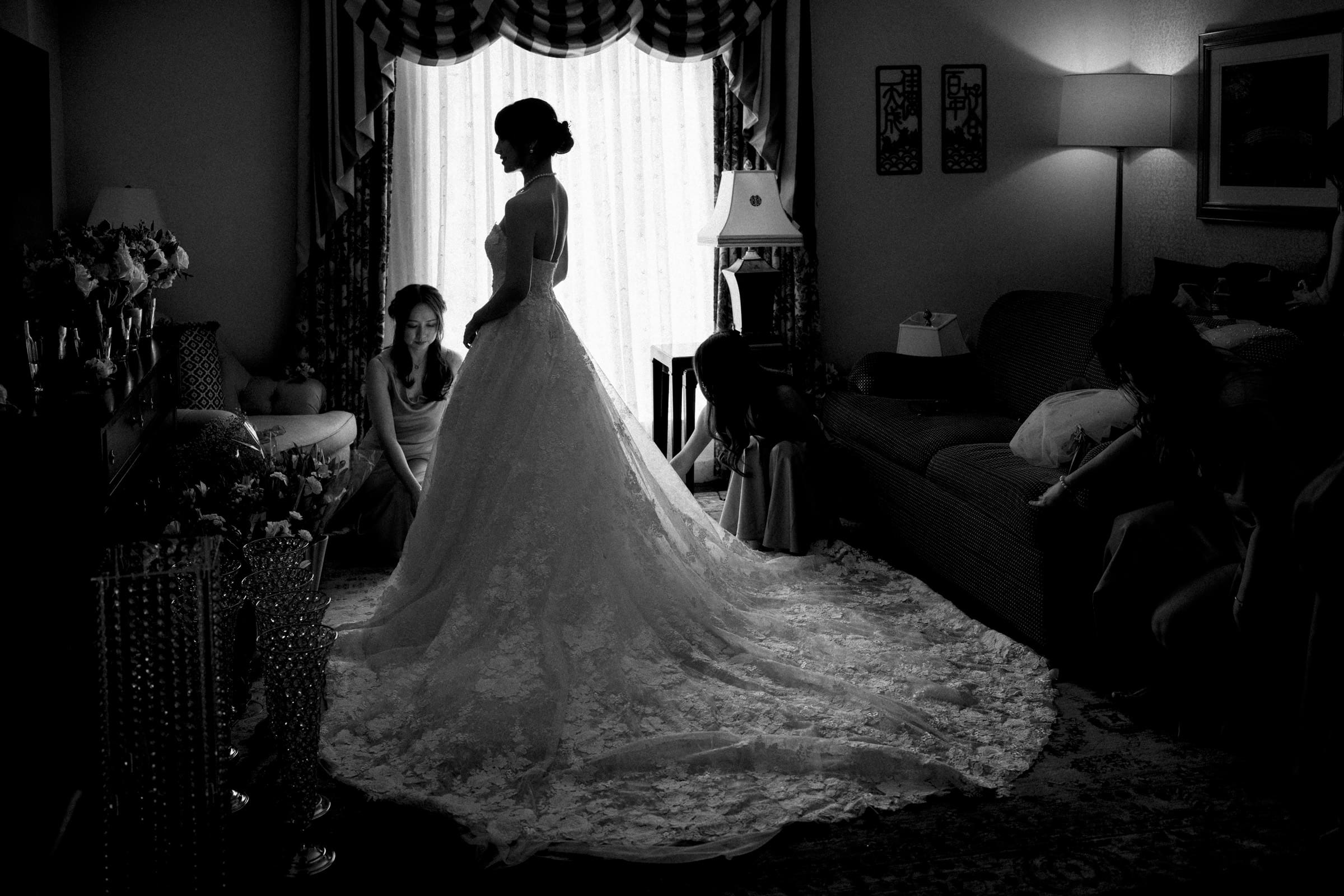
Dresses need steaming. One of the bridesmaids is unhappy with their hair or makeup. Earrings go missing. Something important arrives late. Someone suddenly cannot find part of their outfit.
Groomsmen, generally speaking, get ready remarkably quickly. Whether they are getting ready particularly well is a separate question (hello bowties!), but they are usually on time.
The best protection is to hire an experienced hair and makeup team, tell them when everyone genuinely needs to be finished and build some wiggle room into the morning—particularly with a larger wedding party.
Transportation is another easy place to lose time. If the getting-ready location, ceremony and reception are separate, make sure everyone knows how and when they are travelling between them.
A late ceremony can then create a knock-on effect. Cocktail hour becomes shorter, the reception entrance gets pushed back and the caterer still needs to serve the food while it is hot. When that happens, photography time is often what gets sacrificed so the couple can regain the schedule.
More coverage provides a buffer, but it cannot completely rescue a timeline that loses an hour before the ceremony. Thoughtful planning still matters. I have more advice on that in my guide to creating a more relaxed wedding day.
How Important Are Getting-Ready and Detail Photographs?
This is largely a matter of personal taste.
If you want to make six hours work, one of the easiest options is for me to arrive toward the end of hair and makeup, as you are getting into the dress. You will still have the important photographs without paying for several hours of preparation beforehand.
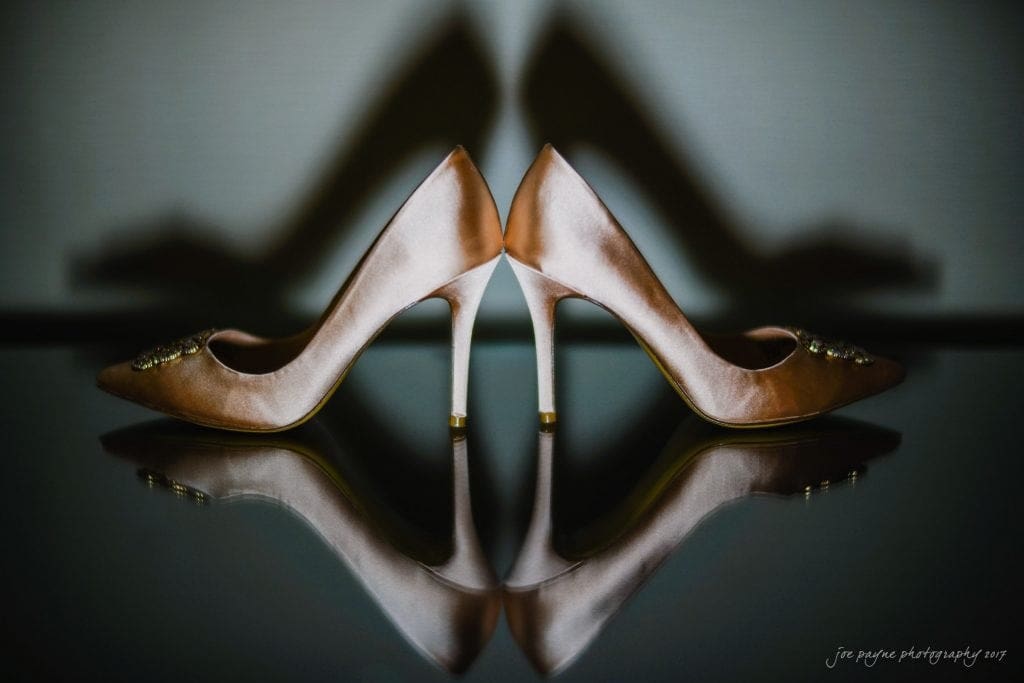
The same applies to details. Most of my clients want photographs of the dress, shoes, rings and important personal items, but they are not necessarily looking for hundreds of variations.
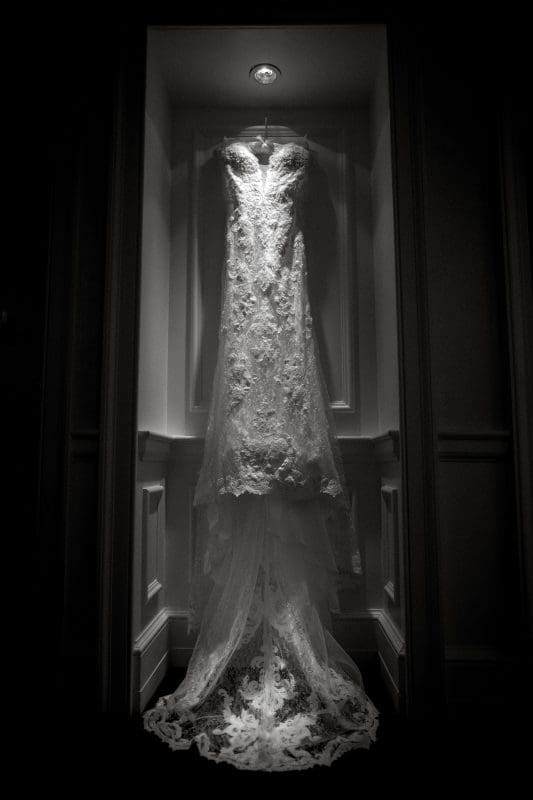
I am not the photographer whose website is full of invitation suites and perfectly constructed flat lays. They can look beautiful, but they are time-consuming and they are not the main focus of my work. If your planner has arranged everything and you want it photographed, I am very happy to do that. Just make sure we allocate enough time for it.
Do You Need Your Photographer Until the End of the Reception?
Not necessarily.
Once I have photographed the formalities and 30 minutes to an hour of a busy dance floor, I can usually tell that part of the story very well. Staying for another three hours may produce more images, but they can become somewhat repetitive: the same people dancing, just progressively sweatier and with their ties in increasingly improbable places.
Photographers in the UK and Europe often do not remain until the very end of the reception. In the United States, full exit coverage has become more of an expectation, but it is still a choice rather than a requirement.
Sparkler exits can look great, and I enjoy photographing them. They also tend to last somewhere between 15 and 30 seconds.
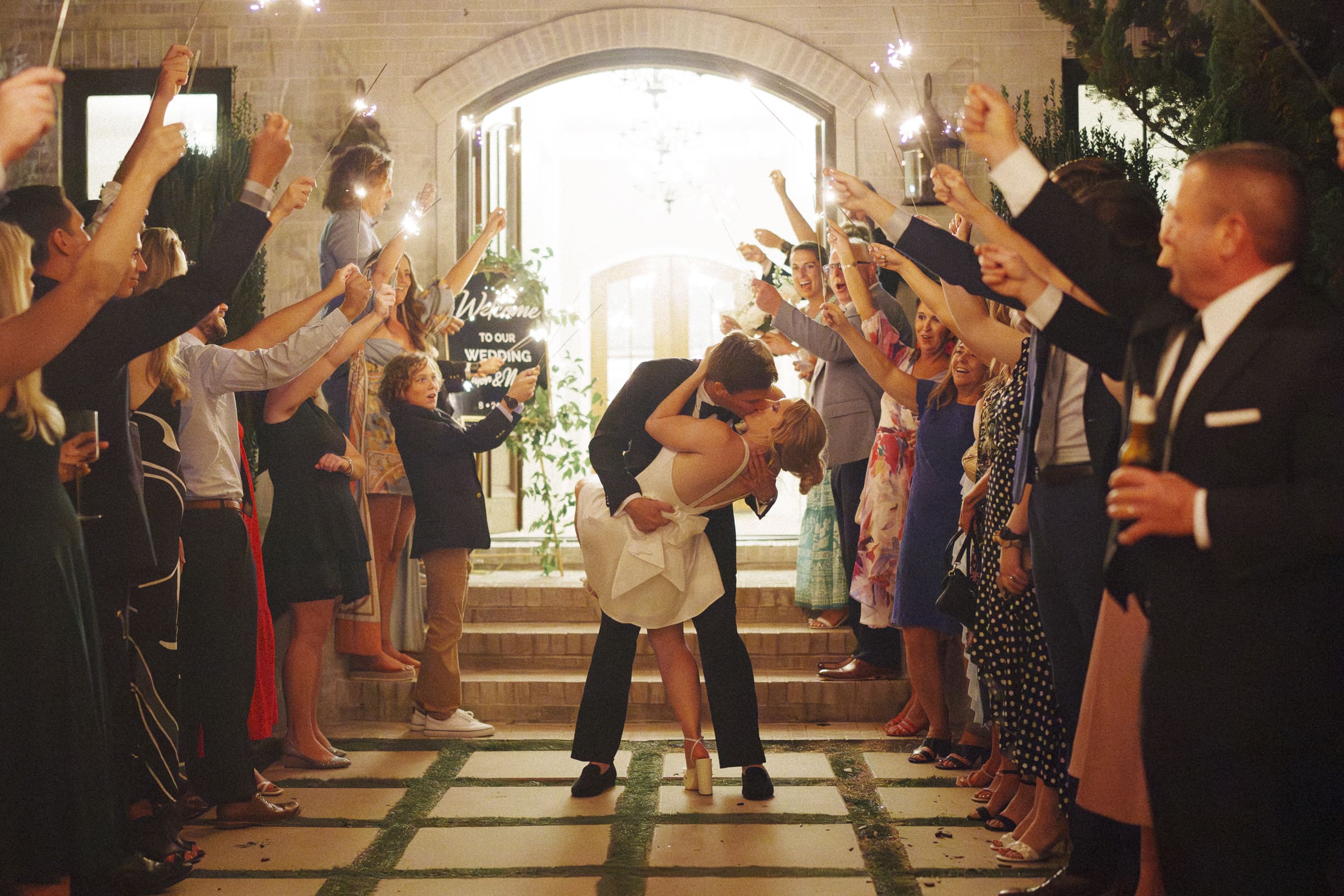
As of 2026, I charge $500 for each additional hour of wedding-day coverage. If the only reason you are adding four hours is to have me photograph the sparkler exit, those photographs are effectively costing around $2,000.
They may genuinely be worth that to you. I am certainly not going to argue with you—I will be there and my photographs will almost certainly be better than your friends’ phone pictures. But it is worth understanding the trade-off.
Some couples stage an earlier faux exit and then return to the reception. That can work, although many DJs understandably dislike interrupting a dance floor just as they have built some momentum. Another option is to finish professional coverage after the main reception events and an hour or so of dancing.
Decide whether the exit itself is meaningful to you, rather than including it because wedding galleries appear to require a final photograph involving 80 people waving small incendiary devices.
What If You Do Not Know Your Timeline Yet?
Most couples book their photographer 12 to 18 months before the wedding, long before the final timeline exists. You do not need to know every detail when you reserve the date.
You can begin with six or eight hours and add more coverage once the plans become clearer. As of 2026, additional time is $500 per hour. Some clients add it well ahead of the wedding; others decide the day before or even ask me to remain longer during the reception.
I am normally happy to be flexible on the wedding day when I can, although same-day extensions are naturally subject to my availability.
That means you do not need to buy ten hours now simply because you are worried you might eventually need ten. Choose the collection that makes sense based on what you currently know, then adjust it when the timeline becomes real.
You can see my current wedding photography collections and coverage options here.
Six, Eight or Ten Hours: The Short Version
Six hours
Best for smaller or streamlined weddings, especially at one venue. It can comfortably cover the end of getting ready, the ceremony, family and couple portraits, reception formalities and the beginning of the dancing.
Eight hours
My usual recommendation and most popular option. It allows for more natural getting-ready coverage, a first look, portraits, the ceremony and the main reception events without the day feeling excessively compressed.
Ten hours
Best for couples wanting a fuller story, more portraits, multiple locations, additional reception coverage or a useful buffer for travel, weather and the unexpected.
Unlimited coverage
Designed for cultural, multi-event or genuinely all-day celebrations that do not fit neatly into a standard Western wedding timeline.

So, How Many Hours Do You Actually Need?
Ask yourselves one question:
Which parts of our wedding would we be genuinely disappointed not to have professionally photographed?
The ceremony and family photographs will almost always sit at the centre of the coverage. The real decisions usually happen at either end of the day.
How much of the anticipation and getting ready matters to you? Do you want a first look and plenty of portrait time? Is an hour of dancing enough, or do you want the entire reception and final exit documented?
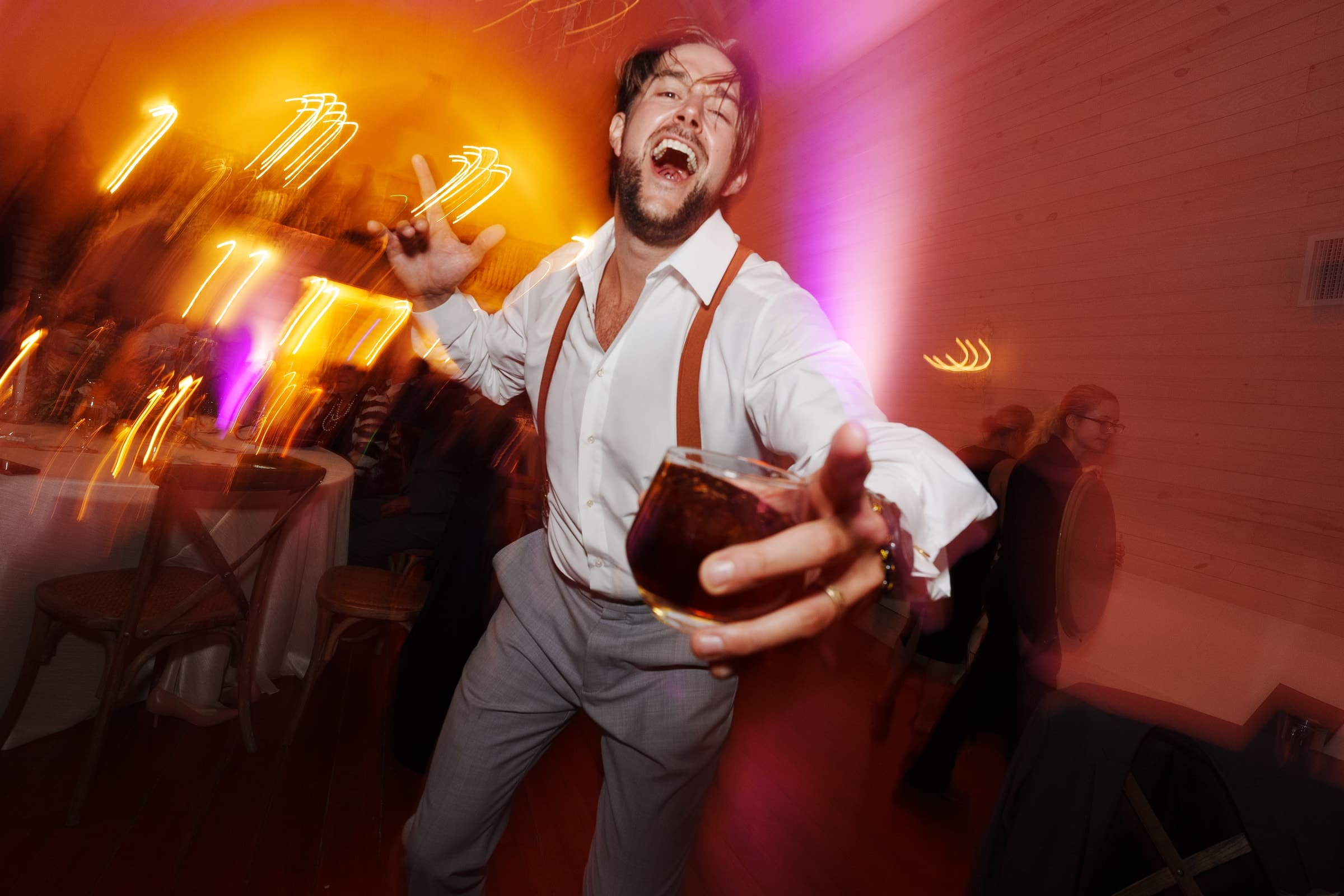
There is no correct answer and no prize for purchasing the most hours. Spend your photography budget on the parts of the story you will actually care about.
If you are planning a wedding in Raleigh, Durham, Chapel Hill or elsewhere in North Carolina, tell me what you have planned—even if the timeline is currently little more than a ceremony time and several optimistic guesses. I will help you work out how much coverage makes sense without trying to sell you hours you do not need.